|
Ki-115 Tsurugi
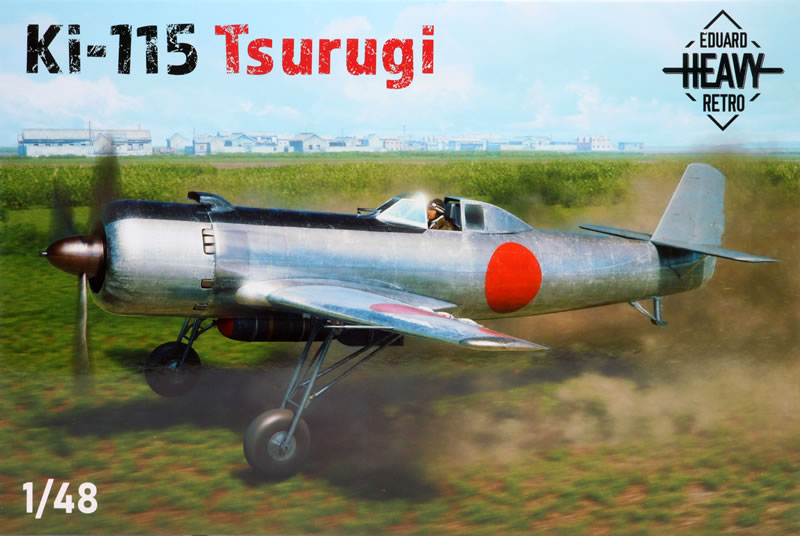
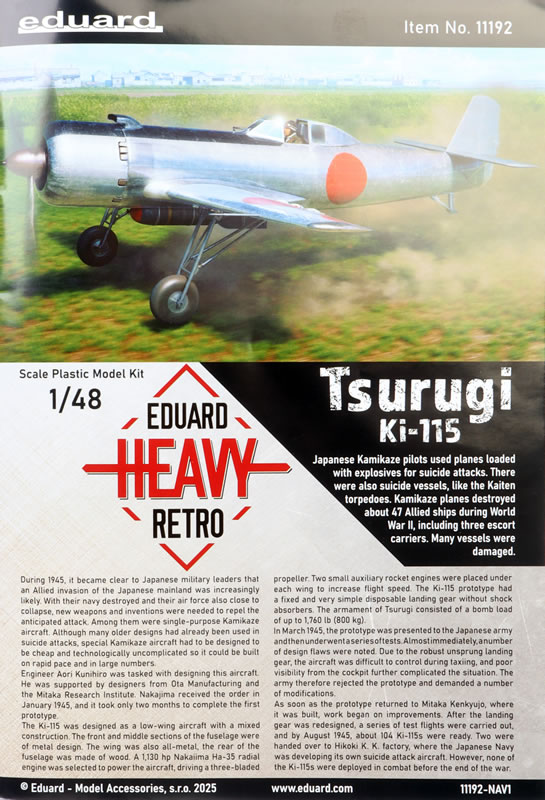
Eduard Heavy Retro, 1/48 scale
S
u m m a r y |
| Catalogue Number: |
Eduard Heavy Retro Kit No. 11192 - Ki-115 Tsurugi |
| Scale: |
1/48 |
| Contents and Media: |
80 parts in grey coloured plastic; two parts in clear; colour photo-etched fret with 29 parts; self-adhesive masks; markings for three phases of camouflage application. |
| Price: |
USD$54.95 plus shipping,
available online from Eduard
GBP£30.50 EU Price (GBP£25.42 Export Price) plus shipping available online from Hannants |
| Review Type: |
FirstLook |
| Advantages: |
Crisply recessed panel lines; good level of detail for a kit that originally hit the market in 2004; welcome inclusion of colour photo-etched and masks. |
| Disadvantages: |
|
| Conclusion: |
It is great to see Eduard's 1/48 scale Ki-115 Tsurugi back on the market.
The inclusion of colour photo-etched parts and masks are a welcome uprade too.
Thanks Eduard - I am very pleased to finally have this one in my "to-do" pile! |
Reviewed by Brett Green

As Japan’s strategic situation deteriorated in late 1944, the Imperial Japanese Army Air Force searched for drastic solutions to counter the expected Allied invasion of the Home Islands. One proposal was a purpose-built, expendable aircraft that could be produced quickly, flown by minimally trained volunteers, and used in tokko (special attack) missions against Allied shipping. The result was the Nakajima Ki-115 Tsurugi—a stark, utilitarian design tailored for a single one-way flight.
Nakajima approached the project with ruthless simplicity. The airframe relied on steel tubing, wood and other non-strategic materials, ensuring that nothing diverted resources from frontline fighters. The undercarriage was fixed, narrow and only lightly faired. Forward visibility was poor, and the aircraft was intended to operate from rough, hastily prepared strips near anticipated invasion beaches. It needed to do only three things: take off, carry a heavy explosive charge, and hit its target.
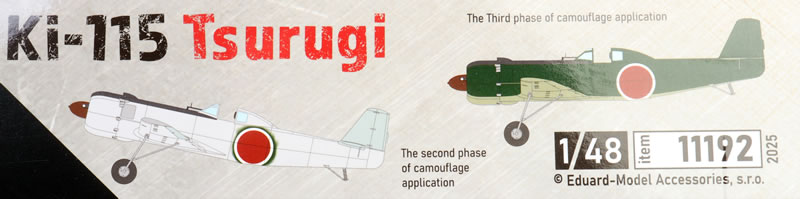
Even within this minimal brief, early prototypes proved difficult to handle. Test pilots reported heavy control forces, high landing speeds and troublesome take-off behaviour. Several accidents highlighted the risks for inexperienced special attack pilots. Nakajima attempted improvements—including a lengthened canopy, revised landing gear geometry and minor aerodynamic tweaks—but the aircraft remained unforgiving.
Production began in early 1945, with the design intentionally adaptable to a wide range of surplus radial engines. Japan’s collapsing industrial base, however, meant that only around 104–105 airframes were completed, with many more left unfinished as materials, manpower and engines ran short.
Although the Ki-115 was allocated to training and special attack units, it never reached operational use. The planned Allied landings did not eventuate, and by the war’s end the aircraft remained largely unused, parked in dispersal areas or stored in makeshift shelters.
Viewed today, the Ki-115 Tsurugi embodies the desperation of Japan’s final wartime months—crude, chillingly pragmatic, and a poignant reminder of the human cost embedded within its design.
Tsurugi in Scale
The only 1/48 scale injection moulded Ki-115 Tsurugi kit that I am aware of is Eduard's original 1/48 scale Tsurugi, released in 2004, followed up by a couple of short-lived sporadic re-releases.
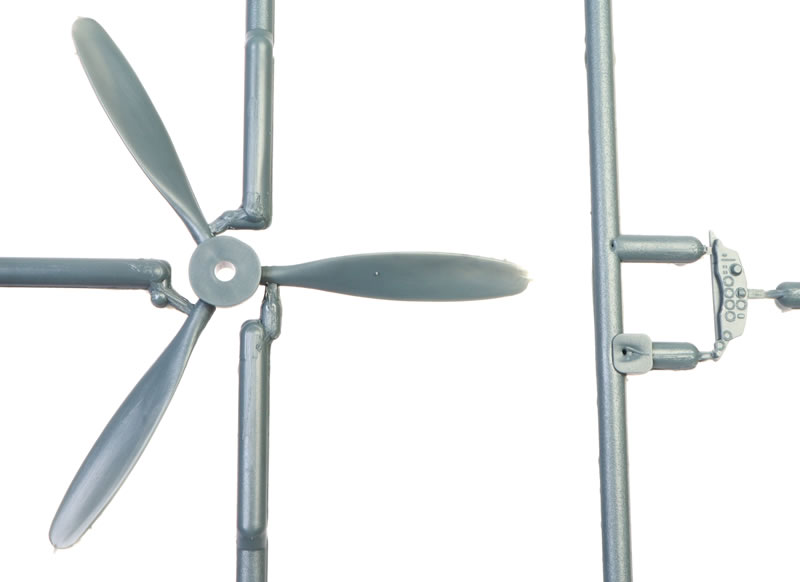
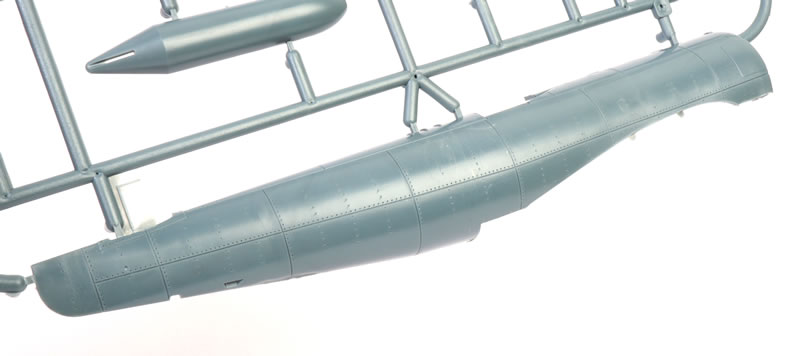
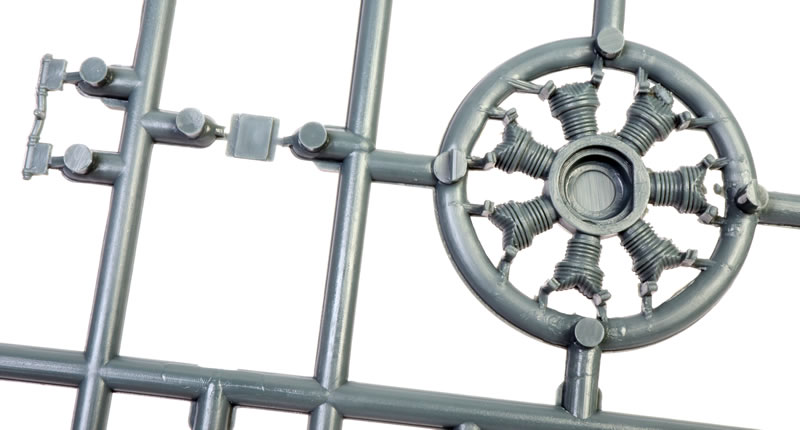
Eduard’s 1/48 Ki-115 “Heavy Retro” edition comprises 80 parts in grey coloured plastic, two parts in clear colour photo-etched fret with 29 parts, self-adhesive masks and markings for three phases of camouflage application.
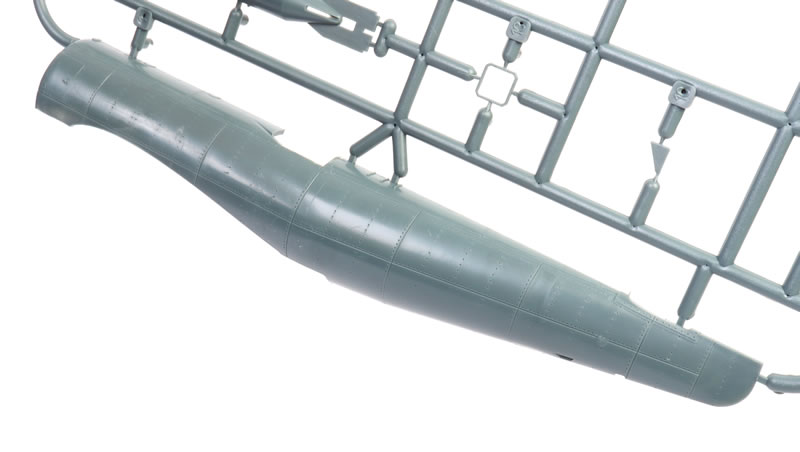
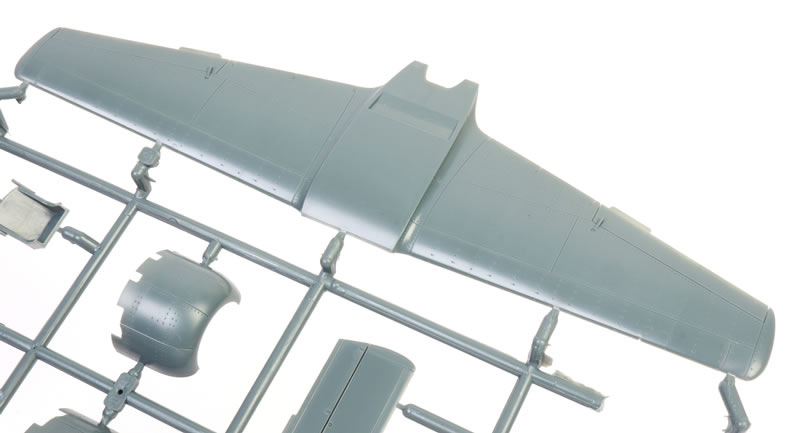
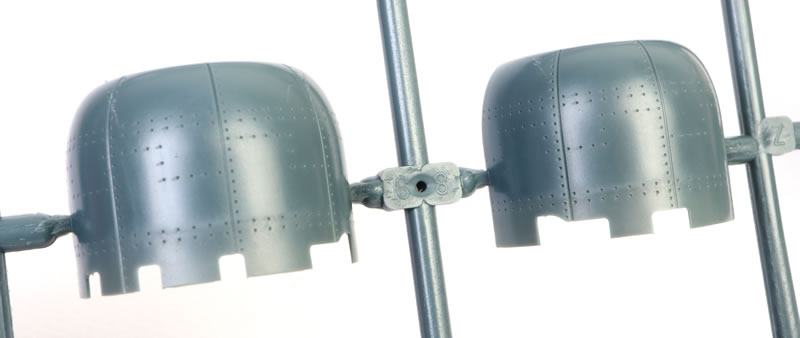
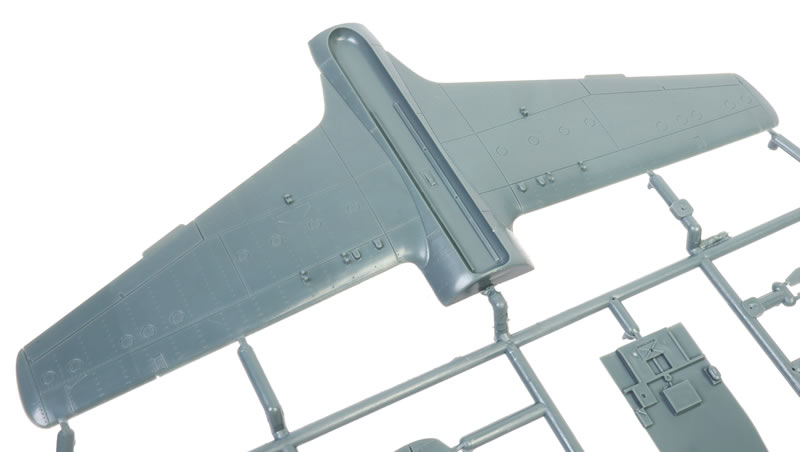
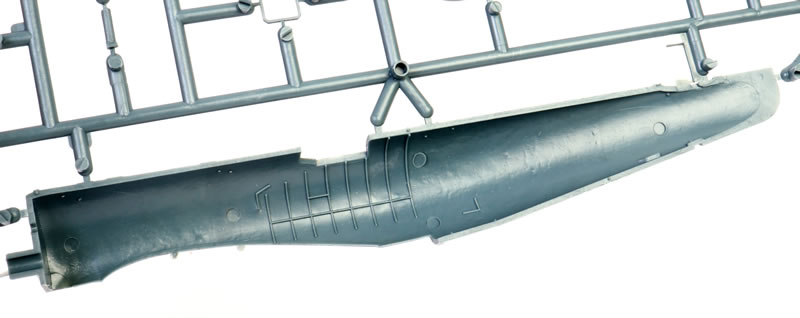
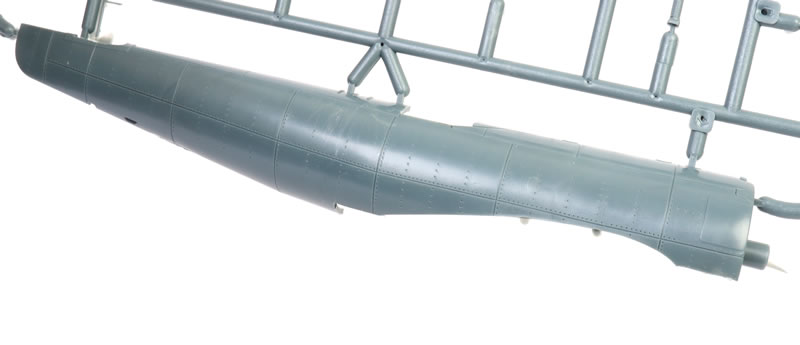
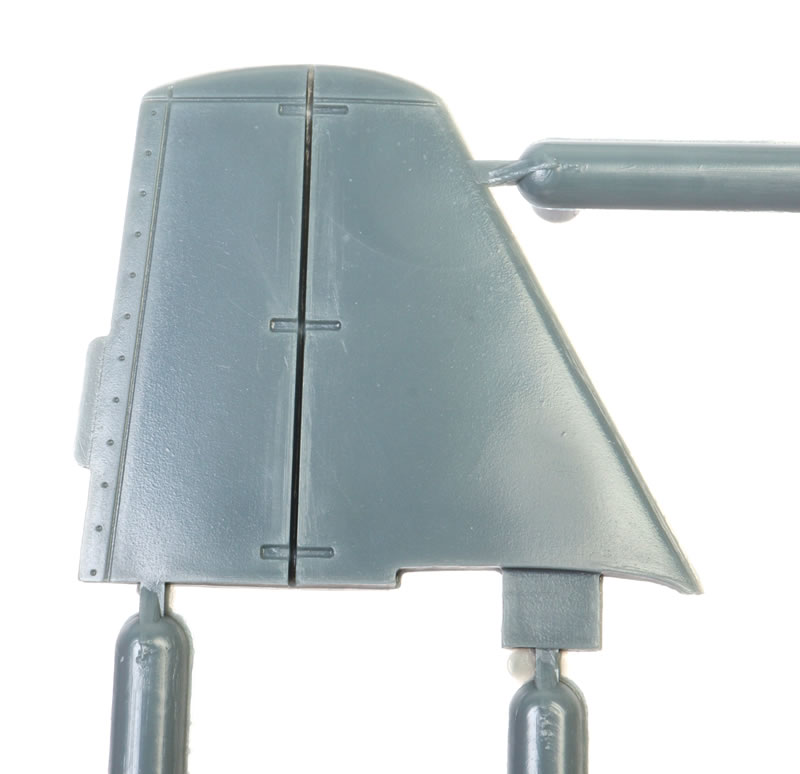
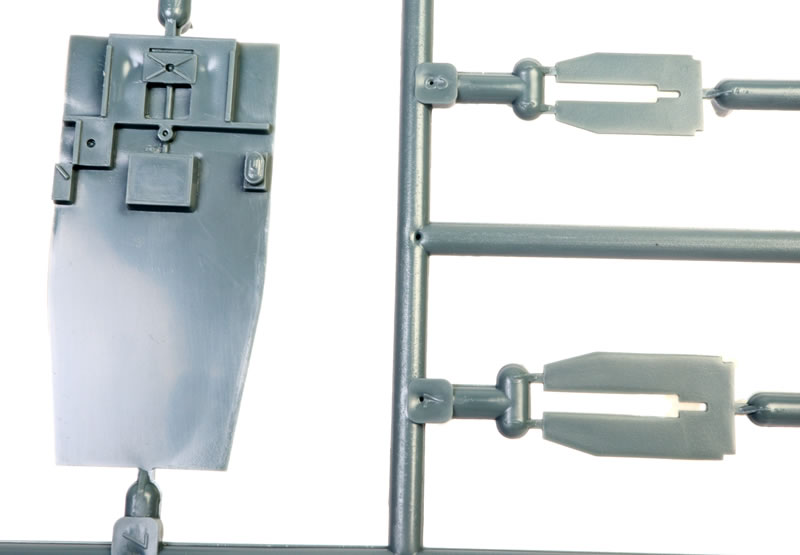
The parts breakdown looks to be the same as the original 2004 release, including recessed panel lines and very nice rows of super fine rivets.
The parts layout of the sprues is different on this release but I am not aware of any specific changes / improvements that might have been made.
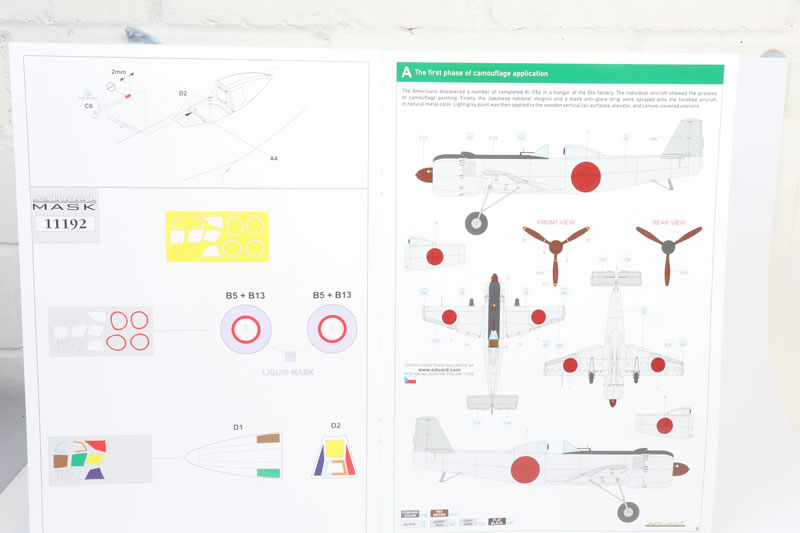
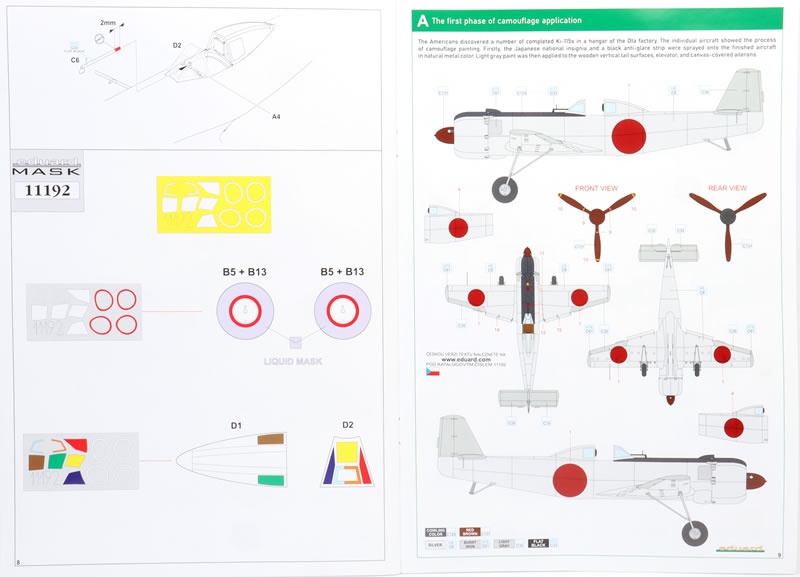
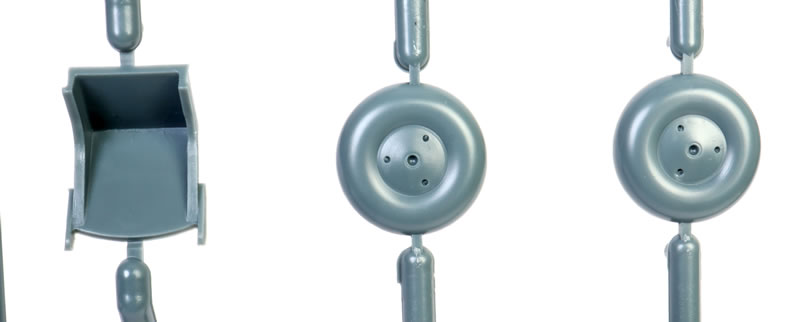
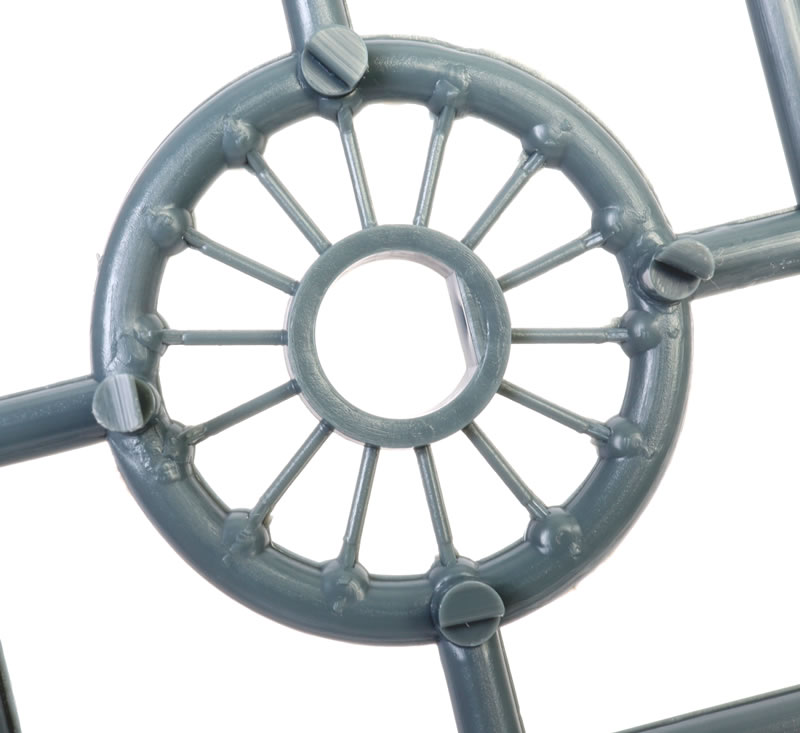
The most obvious differences between the initial release and this one is the expansion of the colour photo-etched fret and the inclusion of self-adhesive die-cut masks for the wheels and canopy.
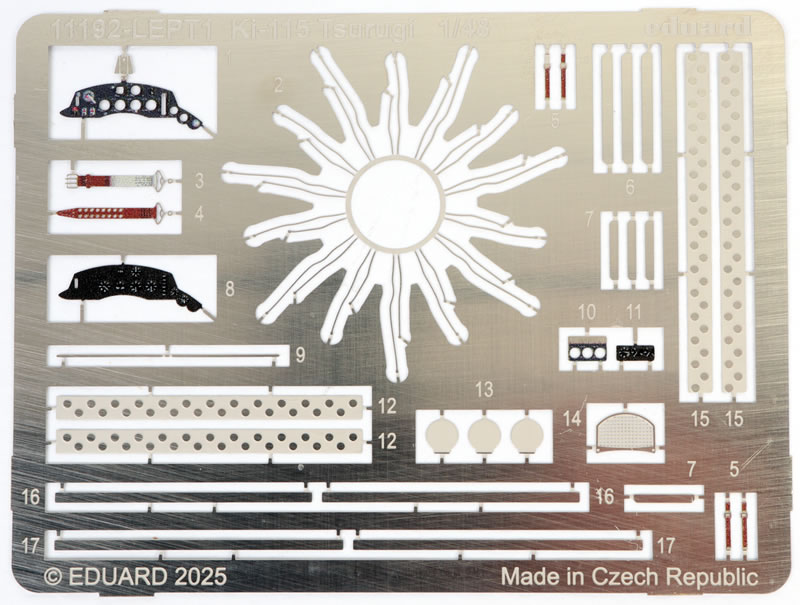
The cockpit is simple but effective. Eduard includes a pre-painted photo-etched fret covering a two-part instrument panel, harness, pedal straps and a few key panels, elevating the interior. It’s not busy, but it doesn’t need to be. An alternative plastic instrument panel and decal dials is also included.
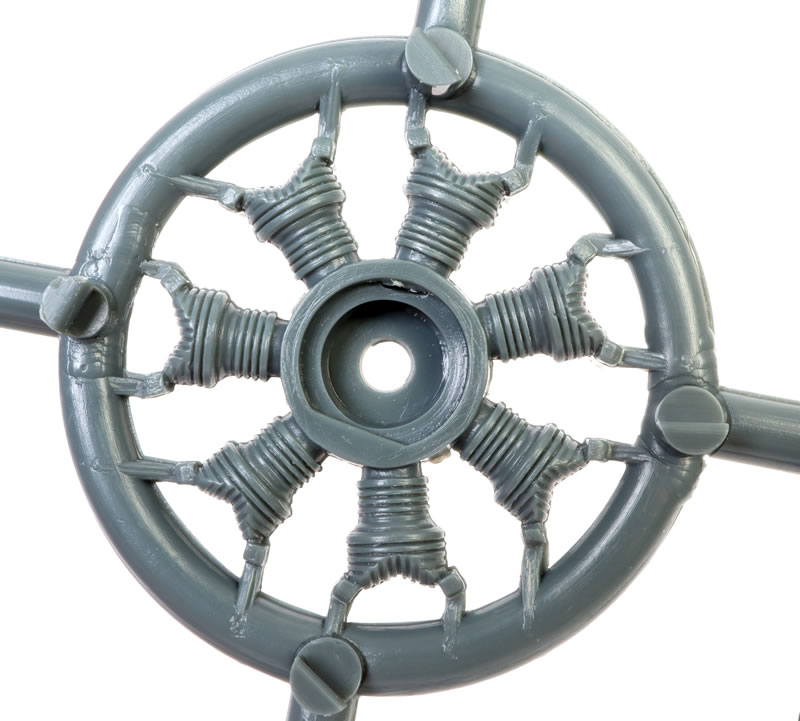
The photo-etched fret also includes an ignition harness.
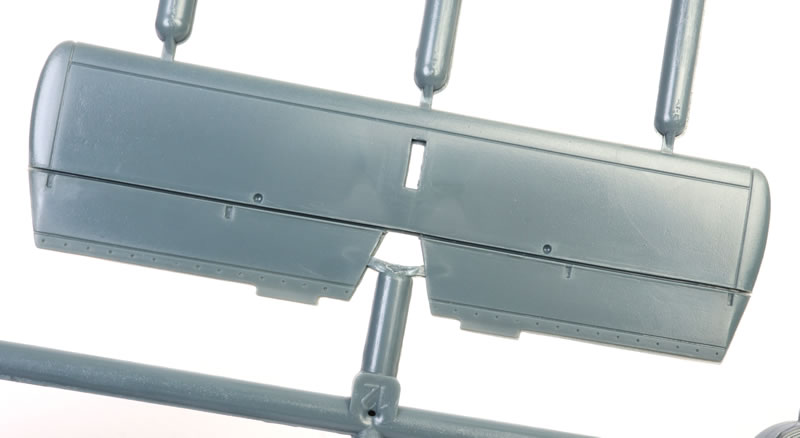
The fixed flaps feature separate hinges.
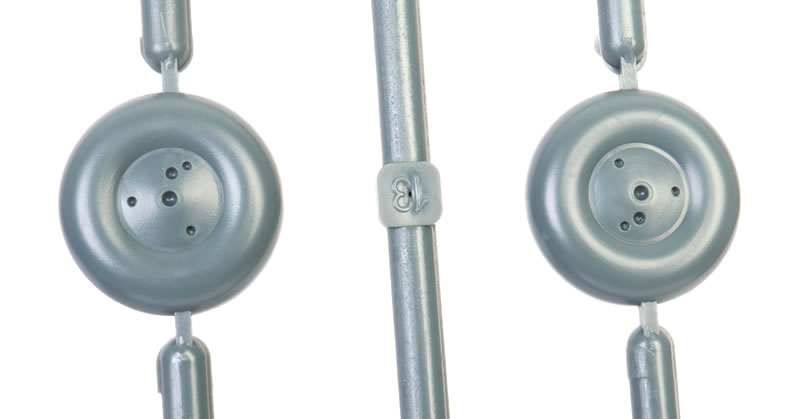
The undercarriage will demand extra care in assembly. Reflecting the real aircraft’s fragile layout, the legs are thin and delicate.
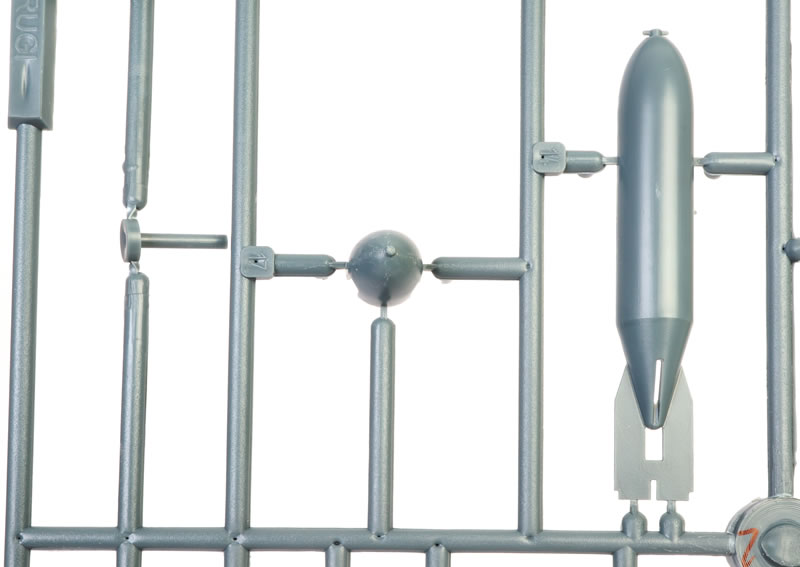
A choice of 500 kg and 800 kg bombs is offered.
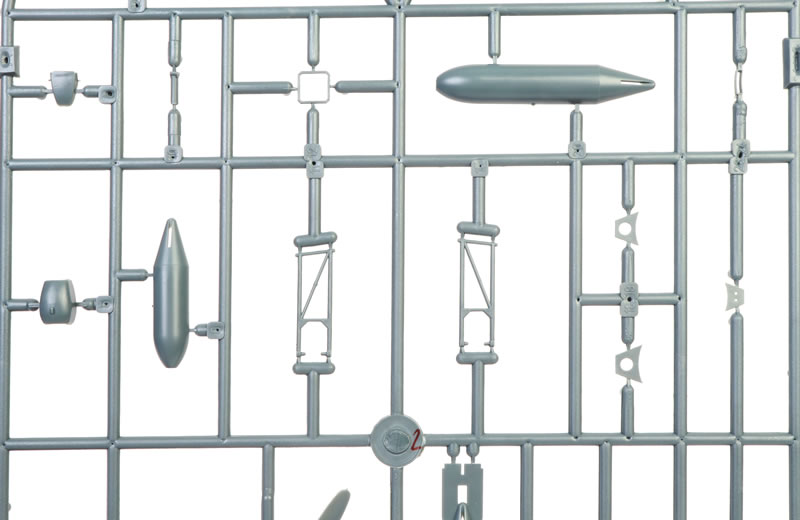
Take your time with test-fitting and assembly. Once aligned, however, the legs should look convincingly spindly.
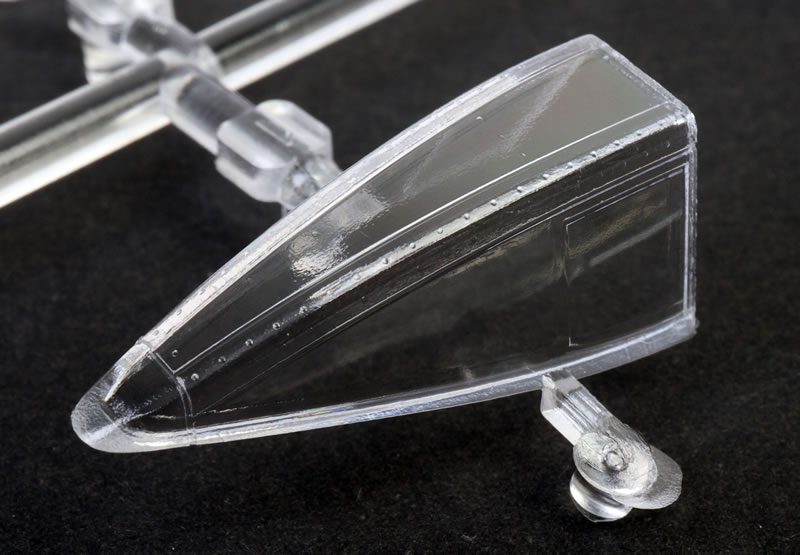
Clear parts are free from distortion.
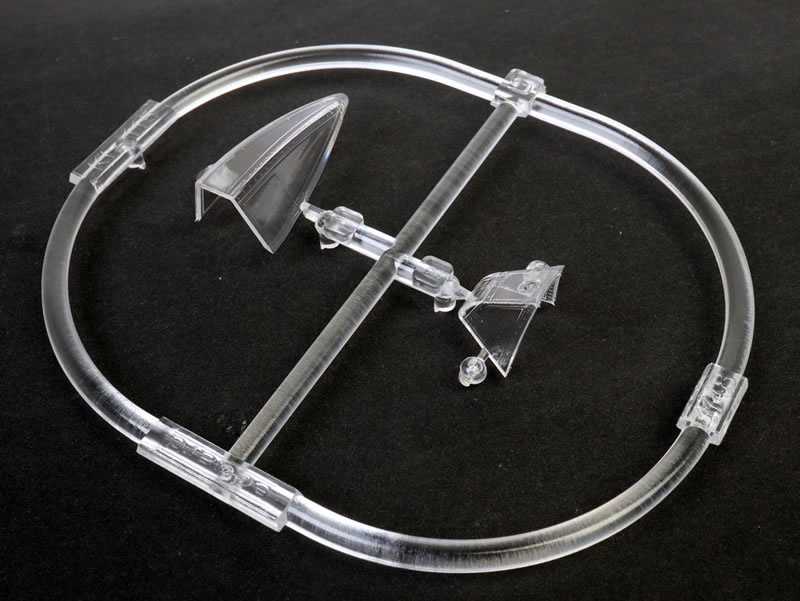
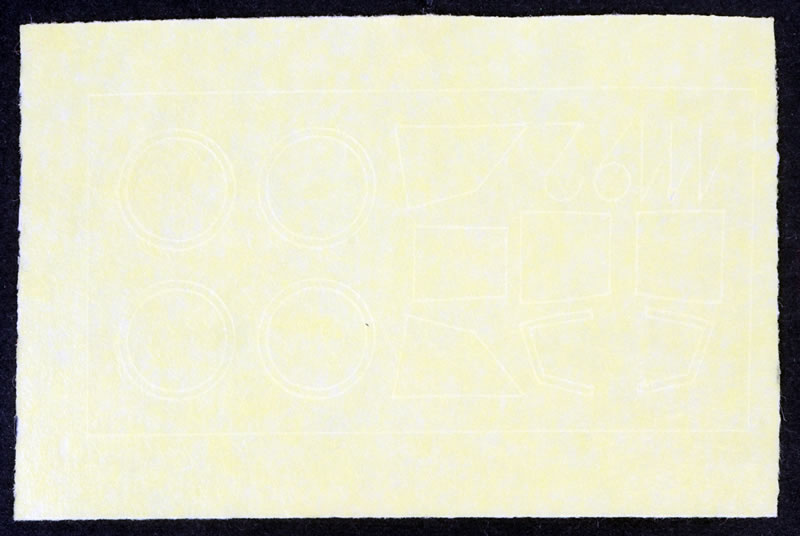
The inclusion of self-adhesive masks is a thoughtful touch.
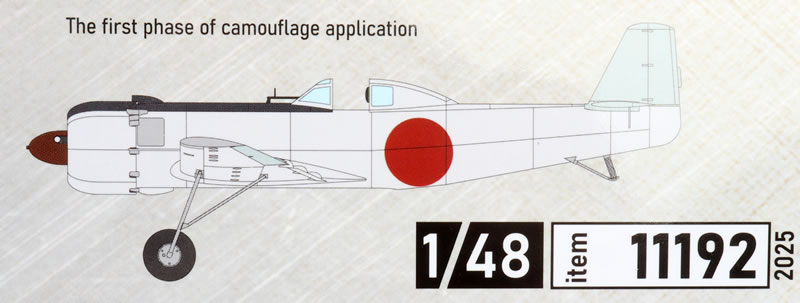
Decals offer three marking options with hinomaru and stencils. These represent three phases of camouflage application.
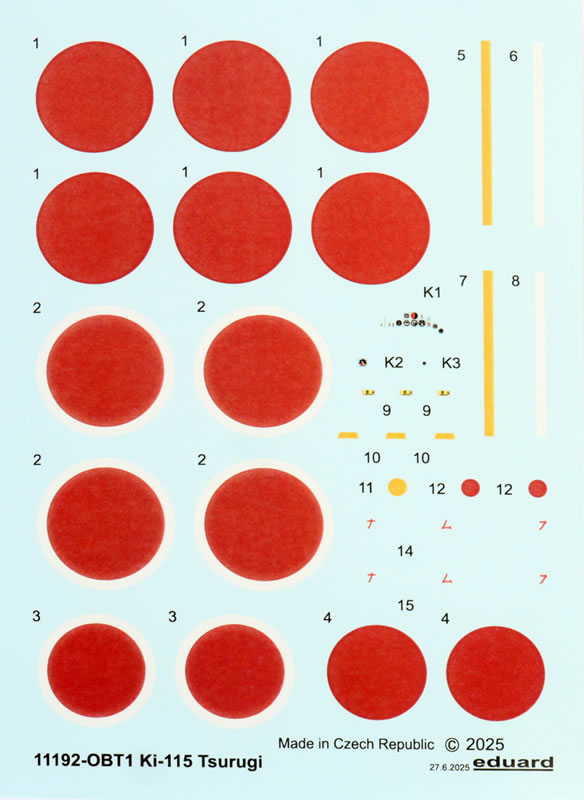
The yellow leading edge identification stripes are included on the decal sheet. A white decal underlay is on the sheet too, to ensure the saturation of the sometimes tricky yellow printed stripes.
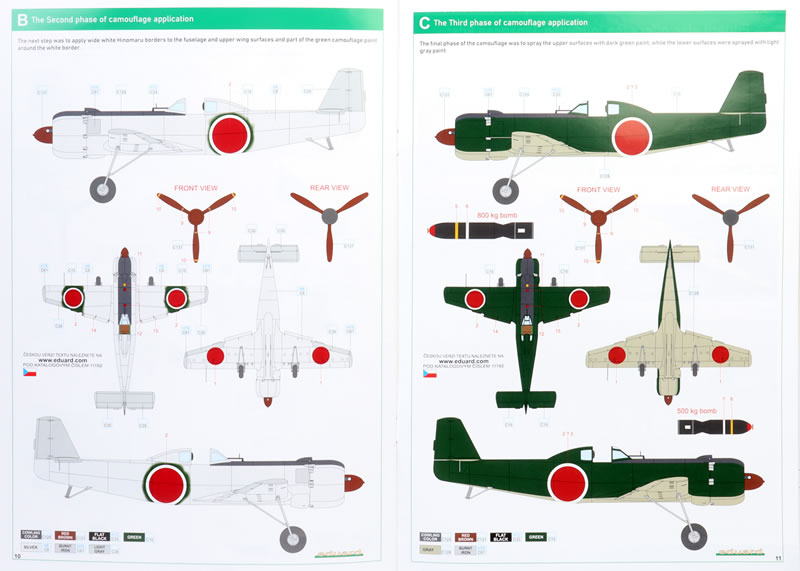
The decals are produced by Eduard.
Eduard’s 1/48 scale Ki-115 Heavy Retro is a distinctive kit with a straightforward design and true to the grim austerity of its subject.
For modellers looking for something unusual, historically charged, and relatively undemanding, this release is well worth a look.
I am very pleased to finally have this one in my "to-do" pile!
Thanks to Eduard for the sample
Review Text Copyright © 2025 by
Brett Green
Page Created 19 November, 2025
Last updated
1 December, 2025
Back to HyperScale Main Page
Back to Reviews Page |
 Home
| What's New |
Features |
Gallery |
Reviews |
Reference |
Forum |
Home
| What's New |
Features |
Gallery |
Reviews |
Reference |
Forum |