|
Avia S-199 Erla Canopy
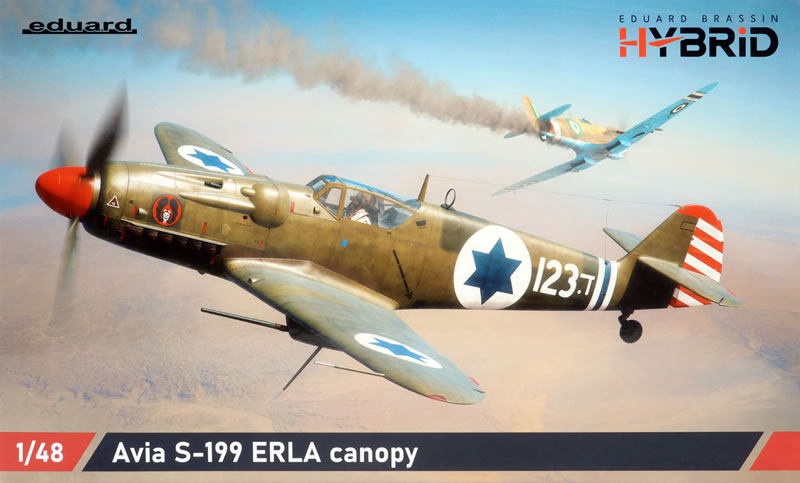
Eduard HYBRID, 1/48 scale
S
u m m a r y |
| Catalogue Number: |
Eduard HYBRID Kit No.948011 - Avia S-199 Erla Canopy |
| Scale: |
1/48 |
| Contents and Media: |
60 grey plastic parts (with eleven not used), ten clear parts (with three not used), 36 grey resin parts, two white resin parts, self-adhesive painting masks and decals for six marking options. |
| Price: |
USD$59.95 plus shipping,
available online from Eduard
GBP£28.35 EU Price (GBP£23.63 Export Price) plus shipping available online from Hannants |
| Review Type: |
FirstLook |
| Advantages: |
Superb detail; crisply recessed panel lines and rivets; appropriate use of multimedia; useful options. |
| Disadvantages: |
|
| Conclusion: |
I like this Hybrid concept. It delivers the best of both worlds: a low parts count but big, impressive detail. Just about the only thing I’d like to see added is a colour instrument panel—whether photo-etch or Space—but I’m sure we’ll see aftermarket options soon enough.
I’m already looking forward to Eduard’s next Hybrid release! |
Reviewed by Brett Green

When the guns finally fell silent over Europe in May 1945, the newly re-established Czechoslovakia found itself with the remains of a vast aircraft industry – including the former Messerschmitt facilities at Letnany and Cakovice near Prague. Among the incomplete airframes, jigs and tooling were the components for the Bf 109 G-6 and G-14. From these leftovers, the Czechoslovak company Avia set about producing a fighter for its own nascent air arm. The result was the Avia S-199 – a machine that looked every inch a late-war Messerschmitt, but was a very different beast to fly.
The biggest challenge was engines. Stocks of Daimler-Benz DB 605 powerplants were either destroyed, worn out or inaccessible, forcing Avia engineers to fit the Junkers Jumo 211F, a bomber engine originally designed for the He 111. This required extensive modifications, including a new propeller and a broad, ungainly chin intake. The combination of high torque and an inappropriate propeller gearbox made the aircraft notoriously difficult to handle, especially on take-off and landing. Czech pilots quickly nicknamed it Mezek – “Mule” – for its stubborn and dangerous nature.
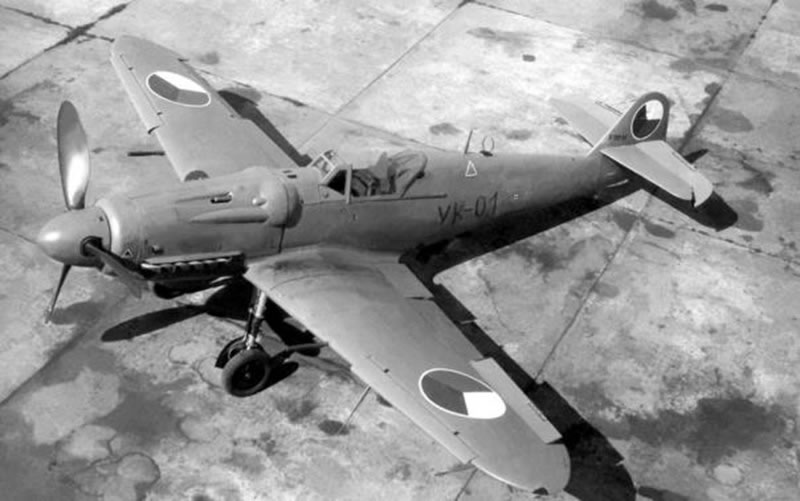
Despite its flaws, the S-199 provided Czechoslovakia with a much-needed stopgap fighter at a time when few alternatives were available. Around 550 airframes were completed between 1946 and 1949, serving mainly with 3rd and 4th Fighter Regiments.
The S-199’s most dramatic moment came in 1948, when newly independent Israel sought to defend itself during the War of Independence. With an arms embargo in place, Czechoslovakia agreed to supply the young nation with 25 examples – known locally as the Avia Sakin (“Knife”). Flown by a mix of Czechoslovak volunteers and hastily trained Israeli pilots, these aircraft formed the backbone of Israel’s first fighter unit, 101 Squadron. Despite their handling quirks and frequent mechanical failures, they played a crucial role in establishing Israeli air power and helped secure control of the skies in the early days of the conflict.
By the early 1950s, the S-199 had been replaced by more capable jet aircraft in both Czech and Israeli service, but its legacy endures as one of the most unusual post-war hybrids – a German design born again under new flags, fighting in one of the first wars of the modern era.
Avia S-199 in 1:48 scale
The first 1:48 scale Avia S-199 was released in 1986 by Ventura of New Zealand.
This was a short run low-pressure plastic kit with white metal detail parts, two Falcon vacuum formed canopies and decals.
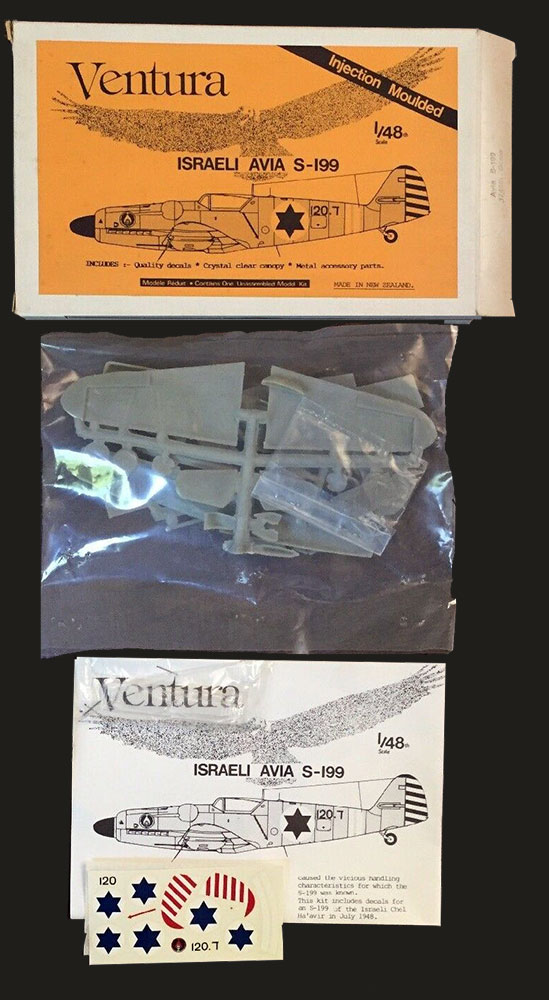
Typically these kits were moulded with very thick sprue attachments and heavy flow marks that required significant clean-up. On the other hand, surface textures were crisply recessed and surprisingly fine. The kit was also very accurate.
Ventura also released a 1:48 scale Bf 109 G-14 and Bf 109 B/C around the same time.
Next up was Hobbycraft’s long-run injection-moulded plastic 1:48 scale Avia S-199, first released in 1995. The sprues were subsequently reboxed a number of times with different canopy and ordnance options. Academy also offered the same kit under their own label in around 2003.
Hobbycraft’s 1:48 scale Avia S-199 kits are definitely showing their age. Surface textures are a mix of fine and somewhat soft panel lines. The cockpit is very basic, needing help to look convincing. Shapes are generally okay, although the nose contours and canopy proportions aren’t quite right.
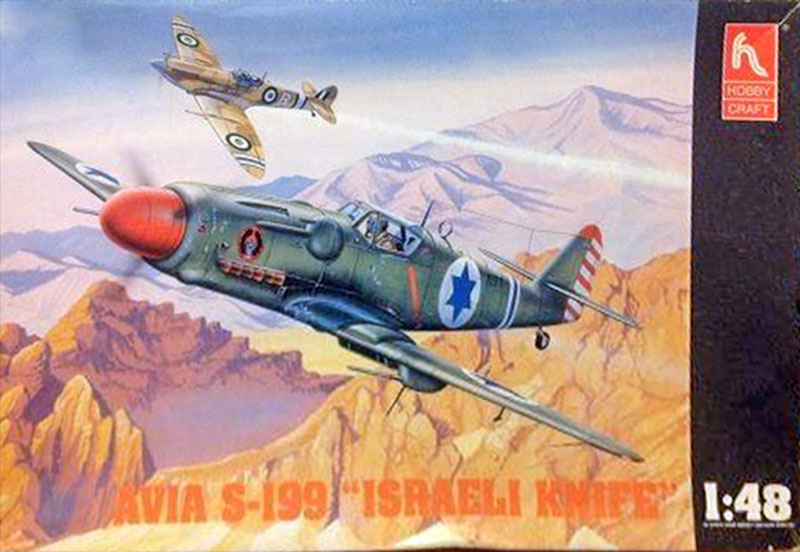
Fit is workable with some test-fitting and clean-up. Decals vary by boxing from poor to good.
The only other 1:48 scale S-199 option was the Kiwi Resin conversion. This was a short run resin conversion, now long gone.
In summary then, we could really use a good, new Avia S-199 in 1:48 scale.
Eduard Brassin Hybrid
Eduard Brassin Hybrid is a new range within Eduard’s Brassin line that combines 3D-printed parts with traditional injection moulded plastic components to create models with finer detail, better fit, and simpler assembly than traditional model kits.
The first of Eduard’s Hybrid range is their brand new 1:48 scale Avia S-199 ERLA Canopy kit.
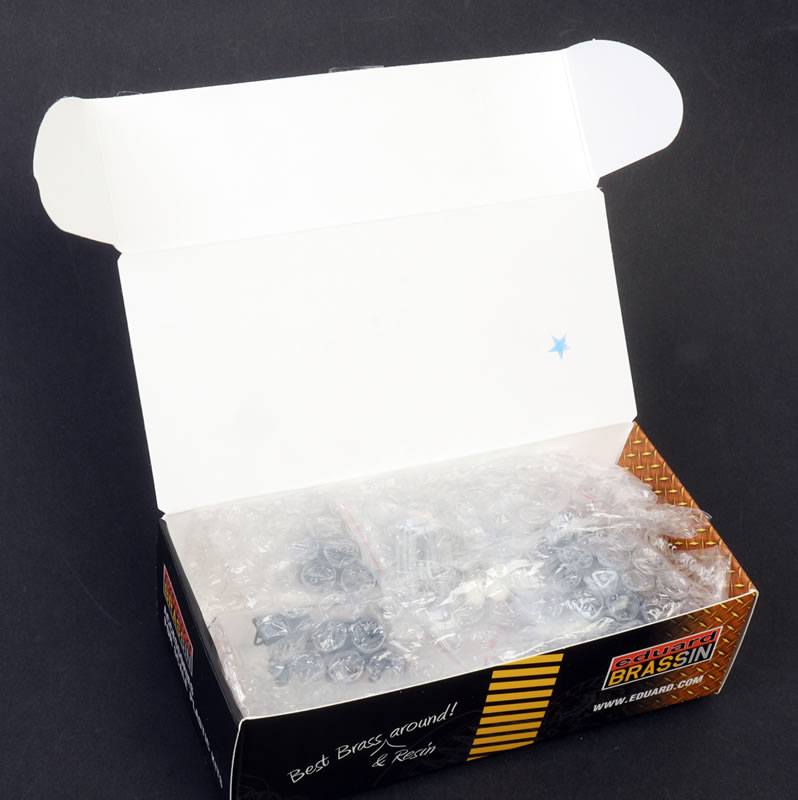
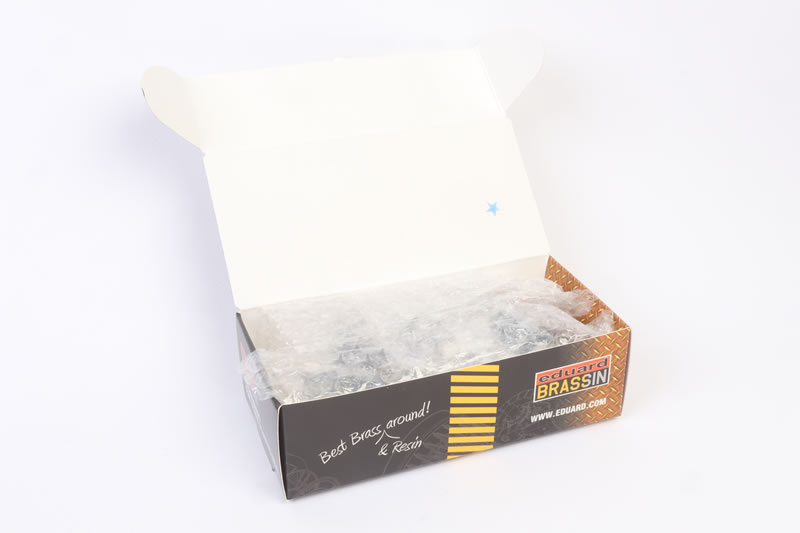
Eduard’s 1:48 scale Hybrid Avia S-199 ERLA Canopy comprises just 60 grey plastic parts (with eleven not used), ten clear parts (with three not used), 36 grey resin parts, two white resin parts, self-adhesive painting masks and decals for six marking options.
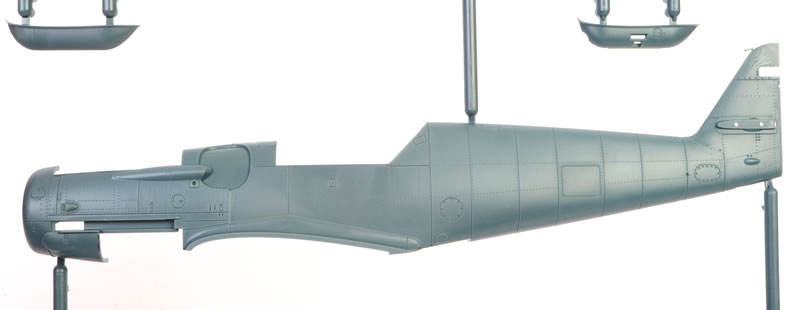
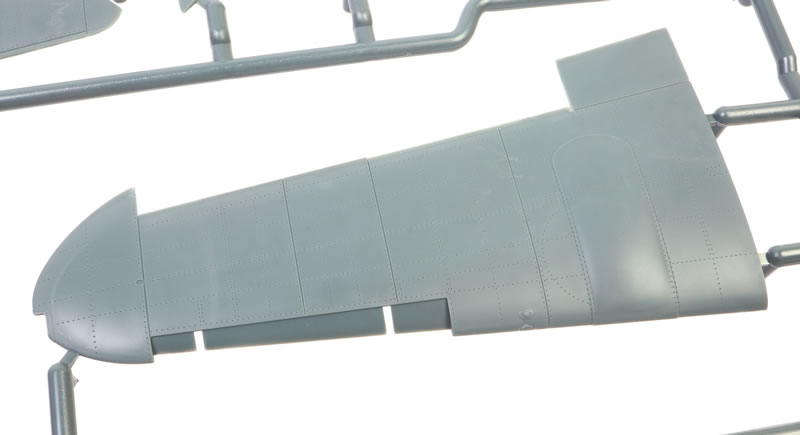
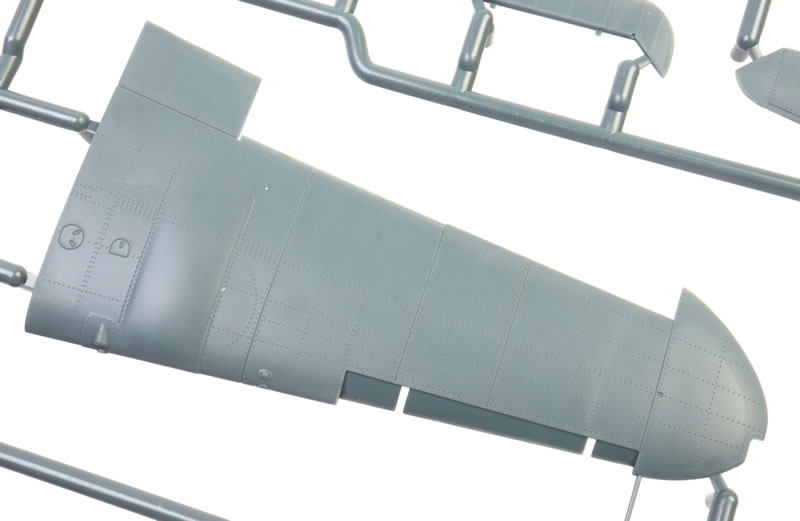
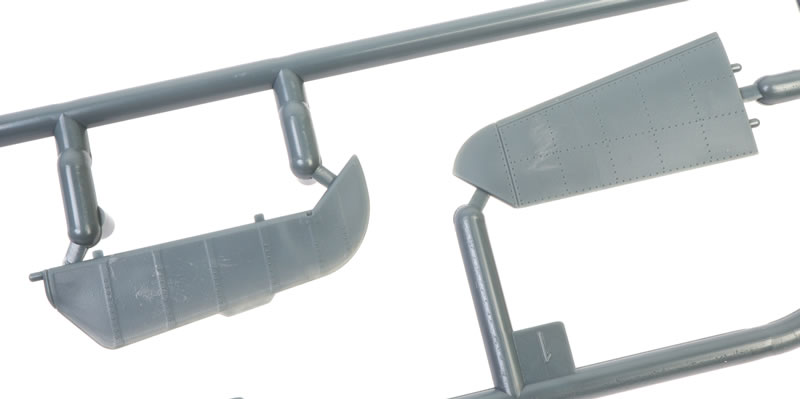
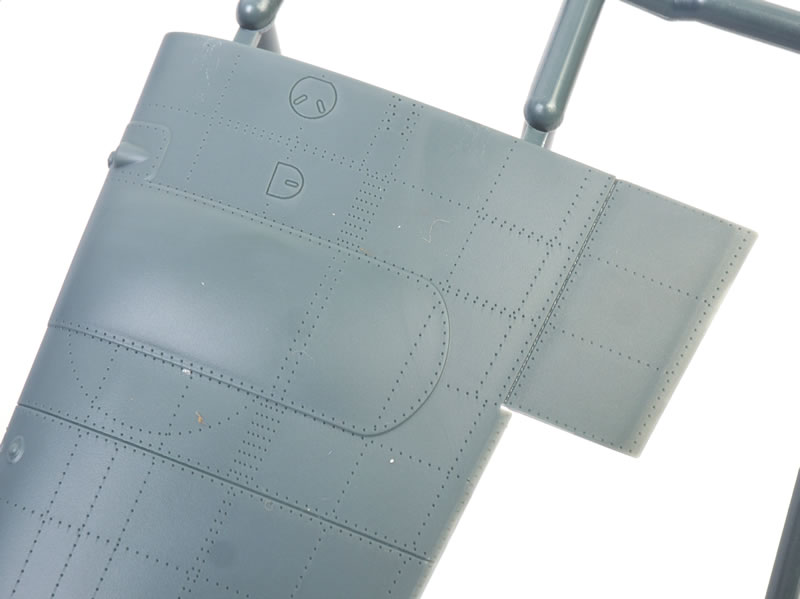
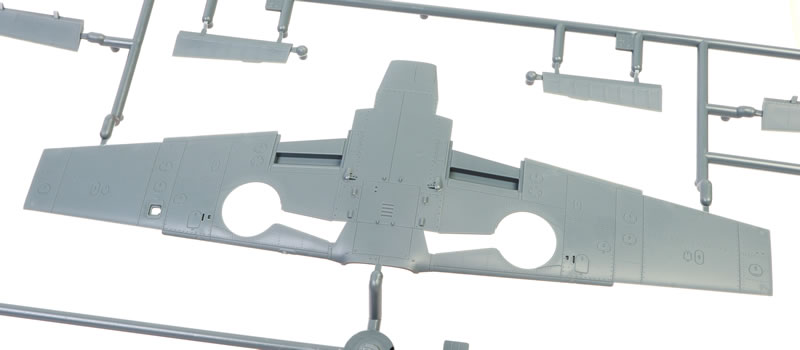
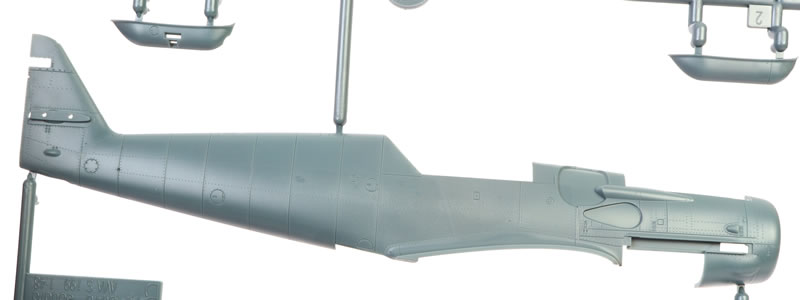
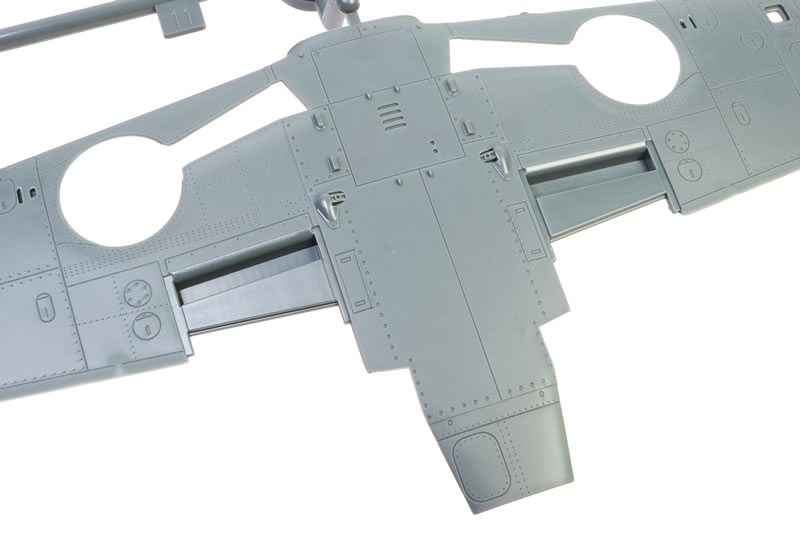
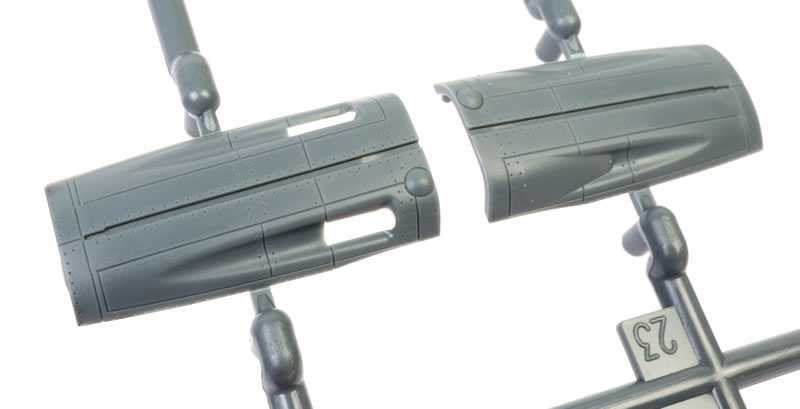
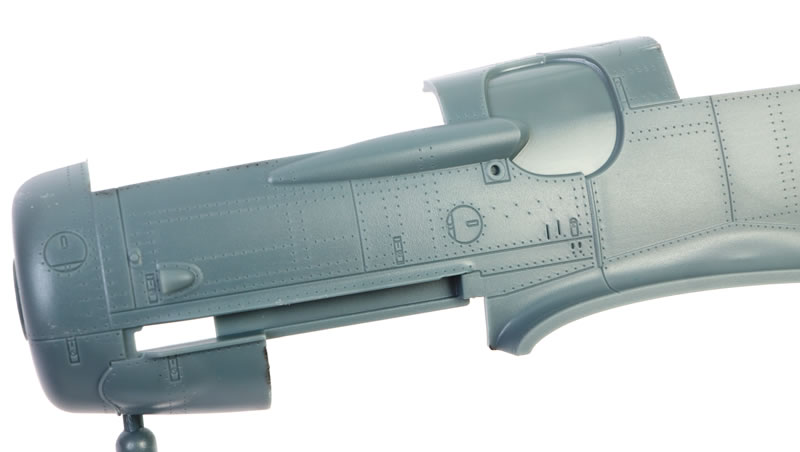
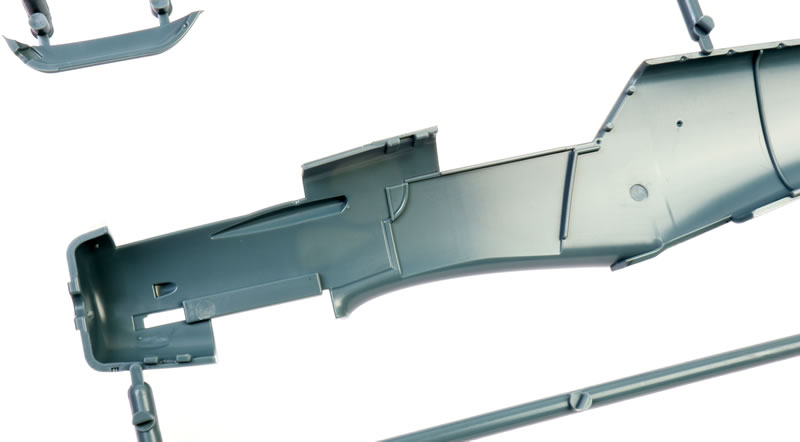
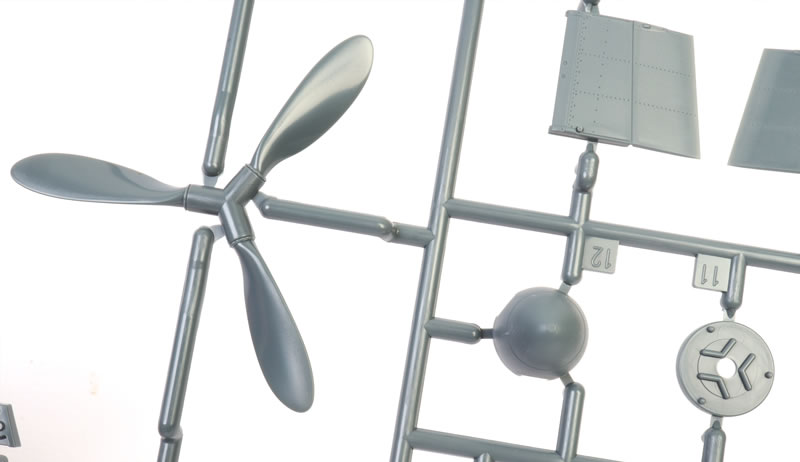
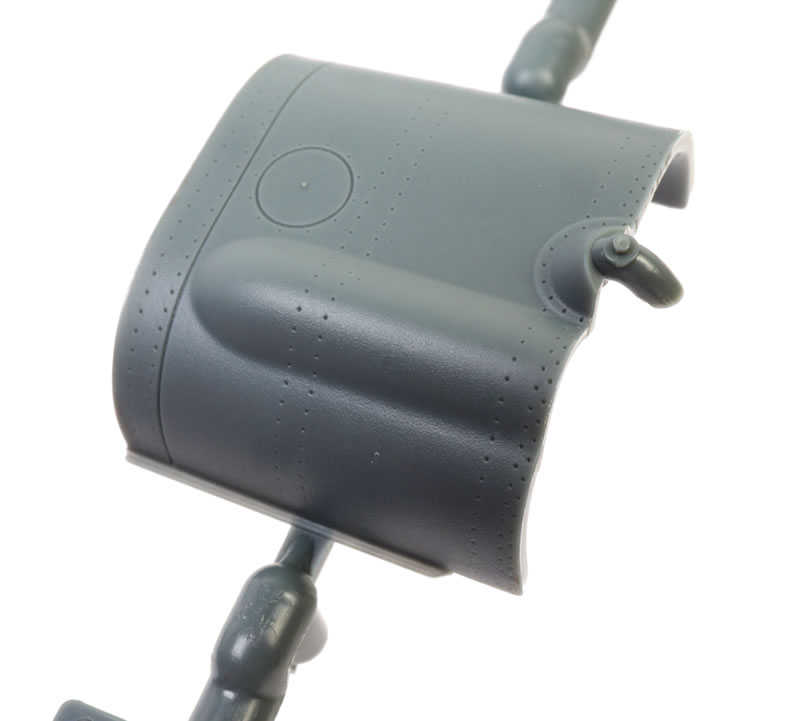
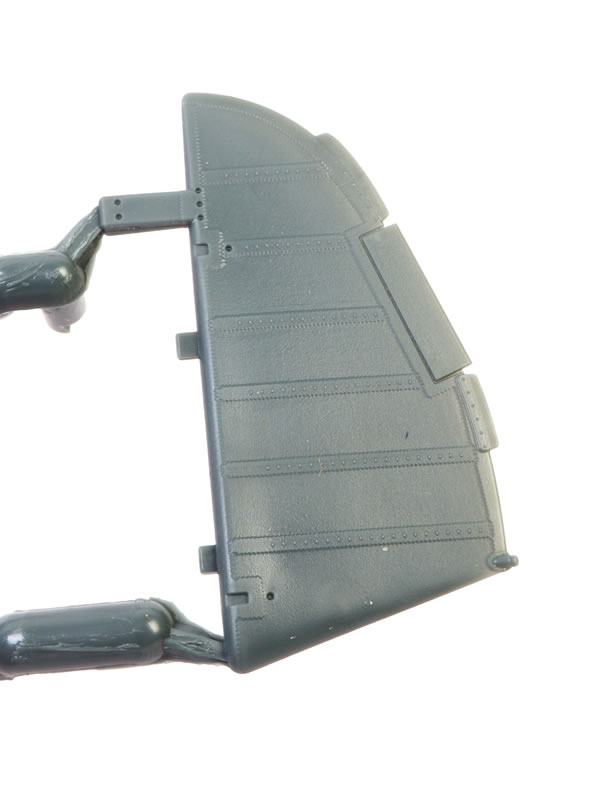
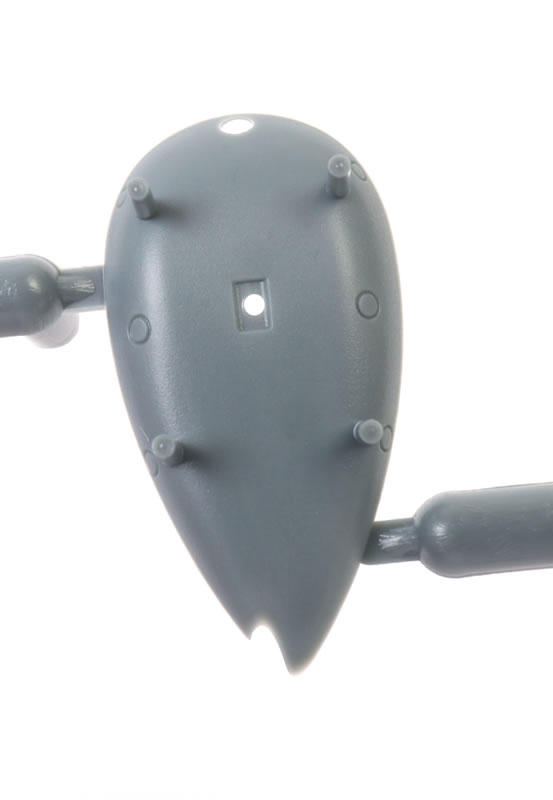
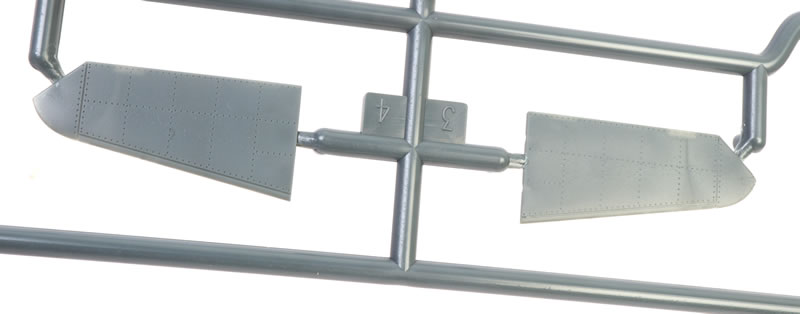
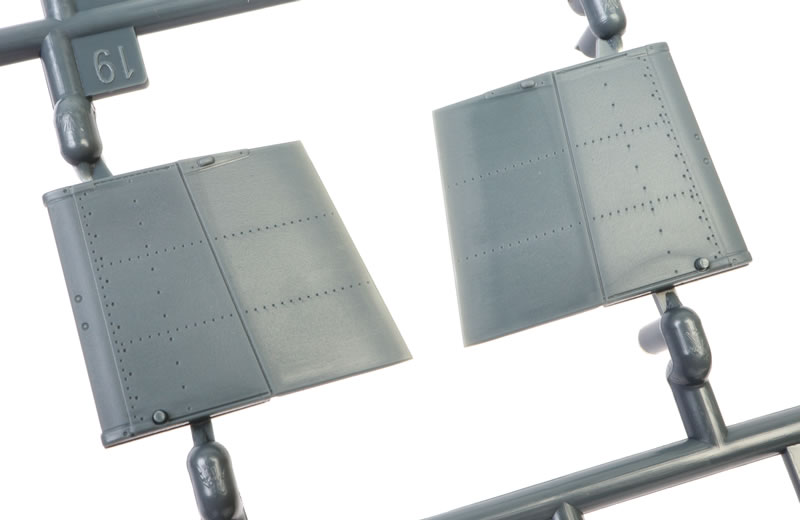
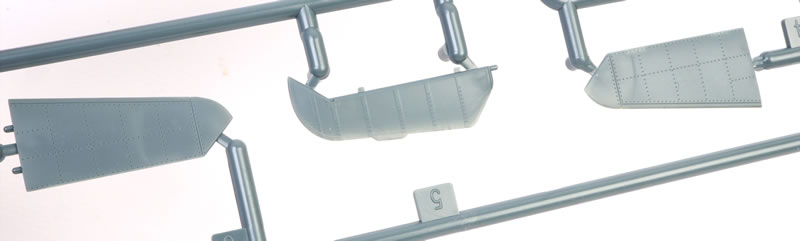
The plastic parts are everything we have come to expect from a new Eduard release—just fewer of them. Surface textures are gorgeous, with recessed panel lines and rows of rivets rendered in varying weights and depths.
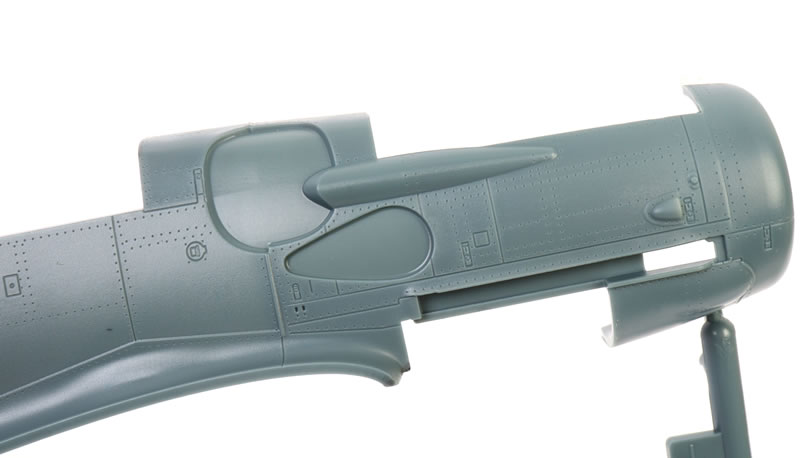
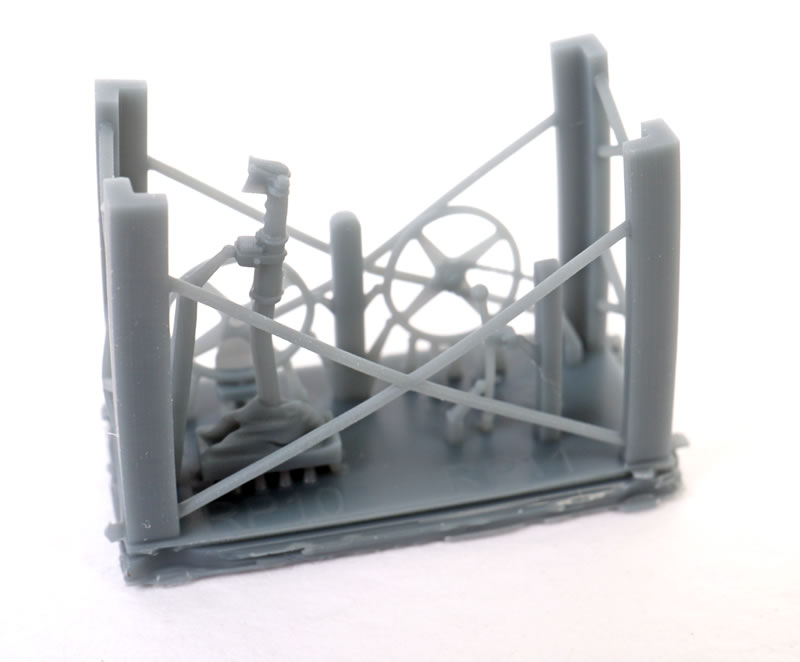
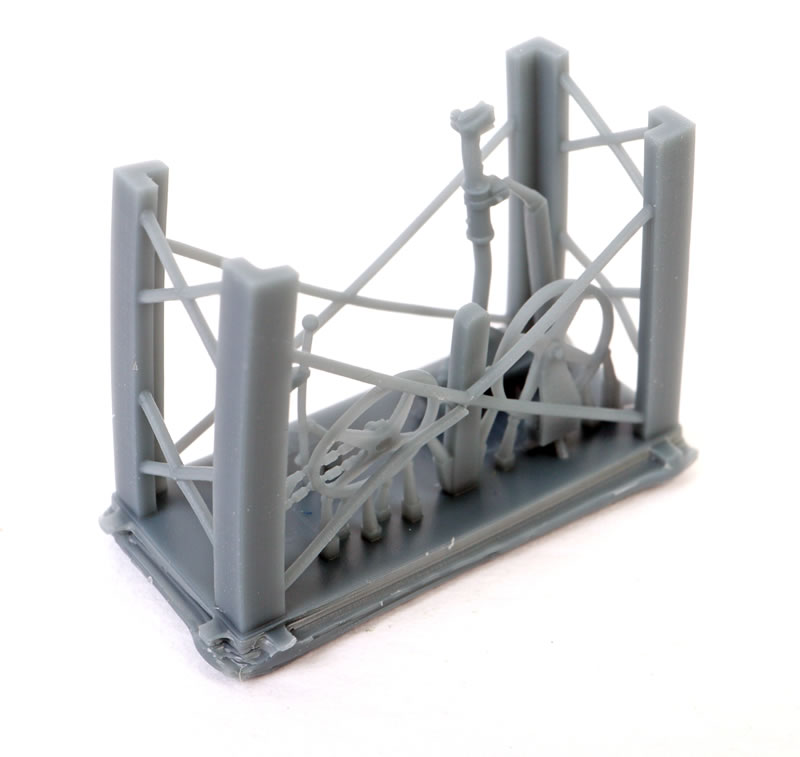
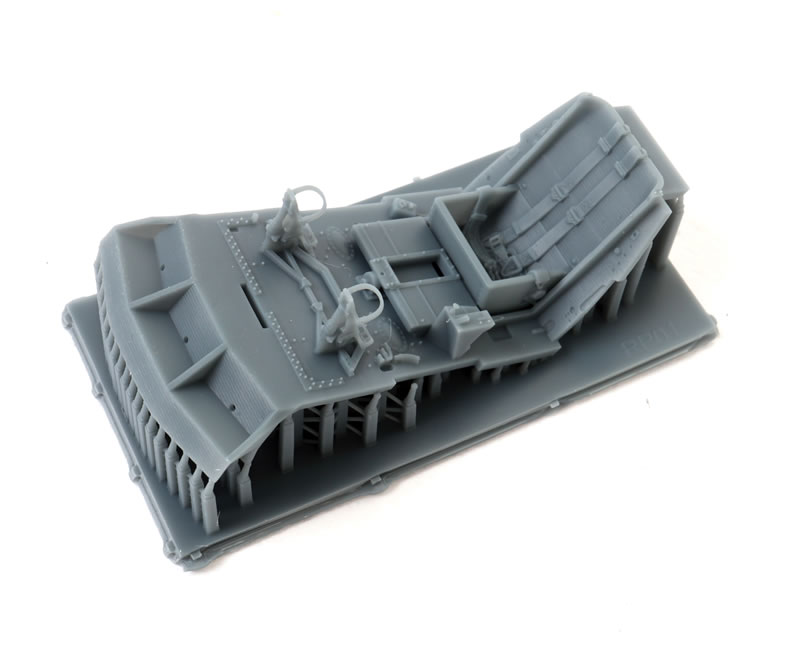
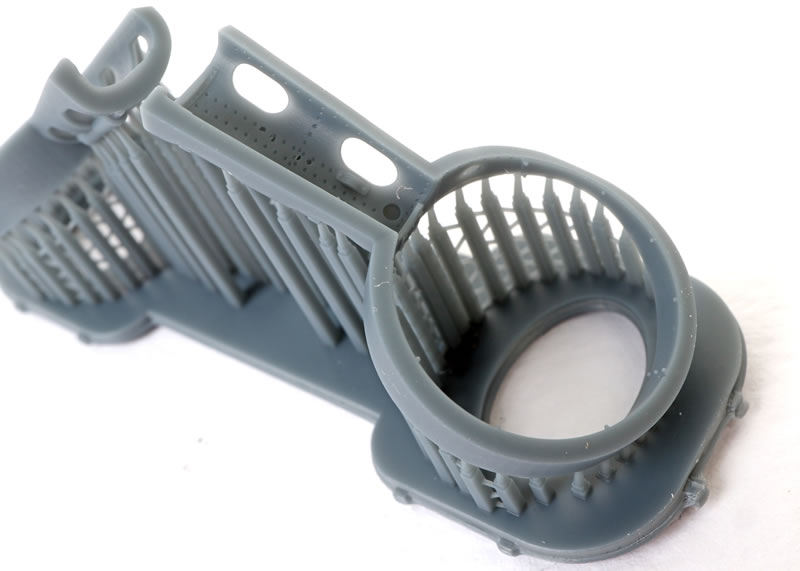
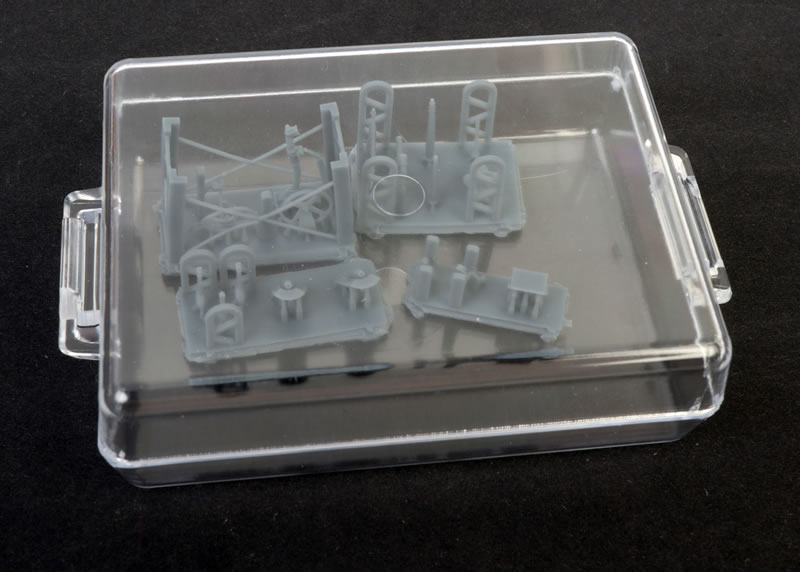
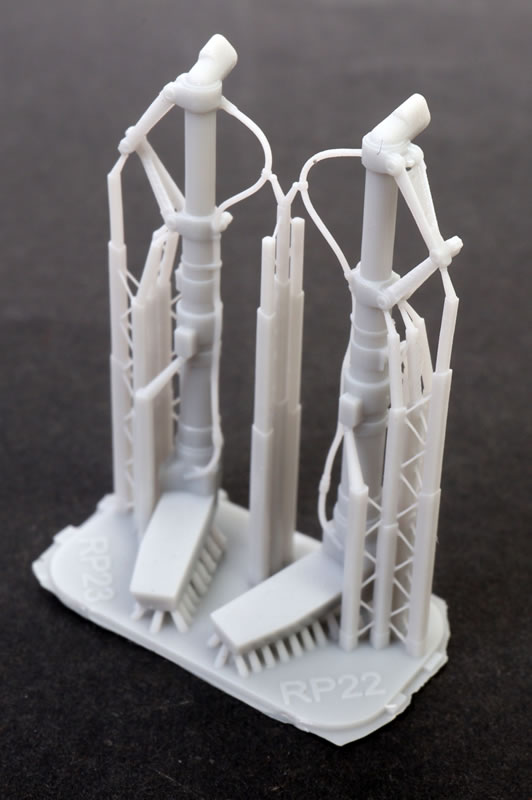
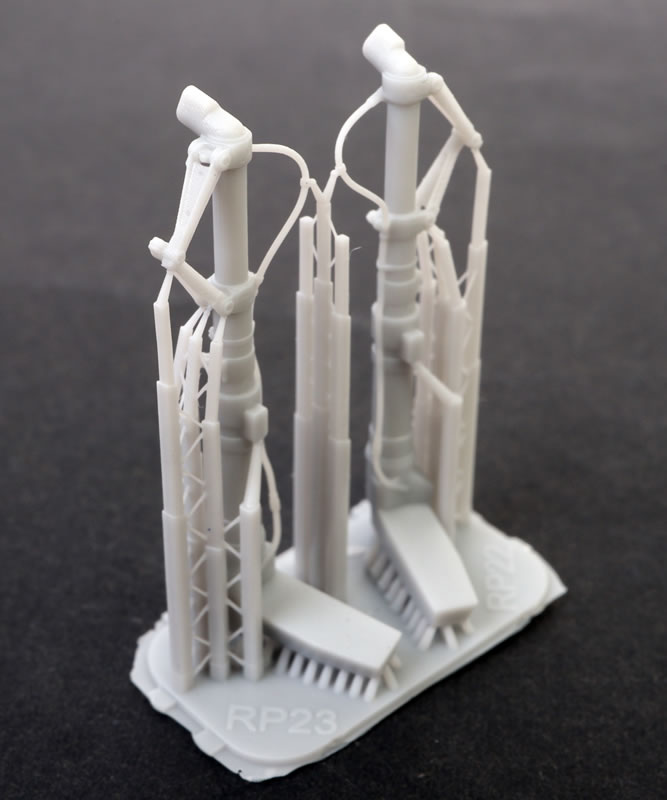
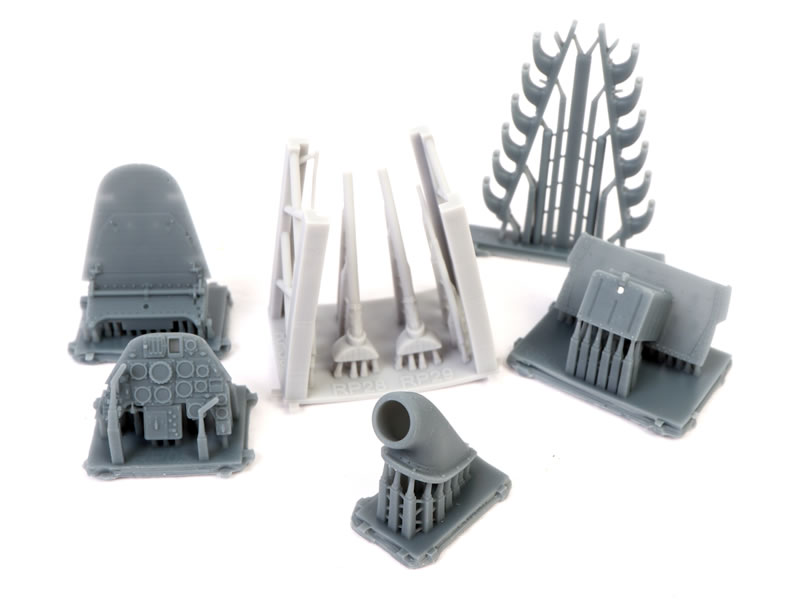
What is missing in plastic, Eduard more than makes up for with their 3D-printed resin parts. 38 printed components provide the bulk of detail in the cockpit, wheel wells and undercarriage.
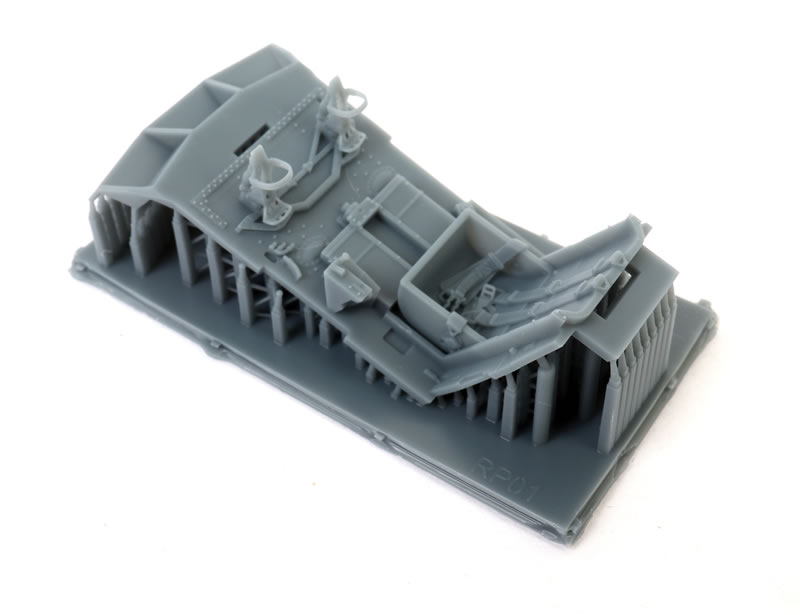
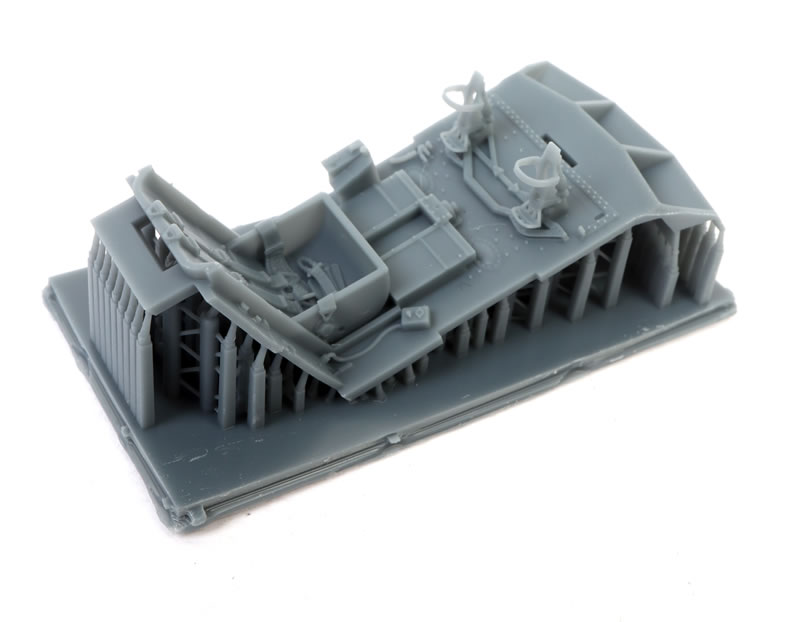
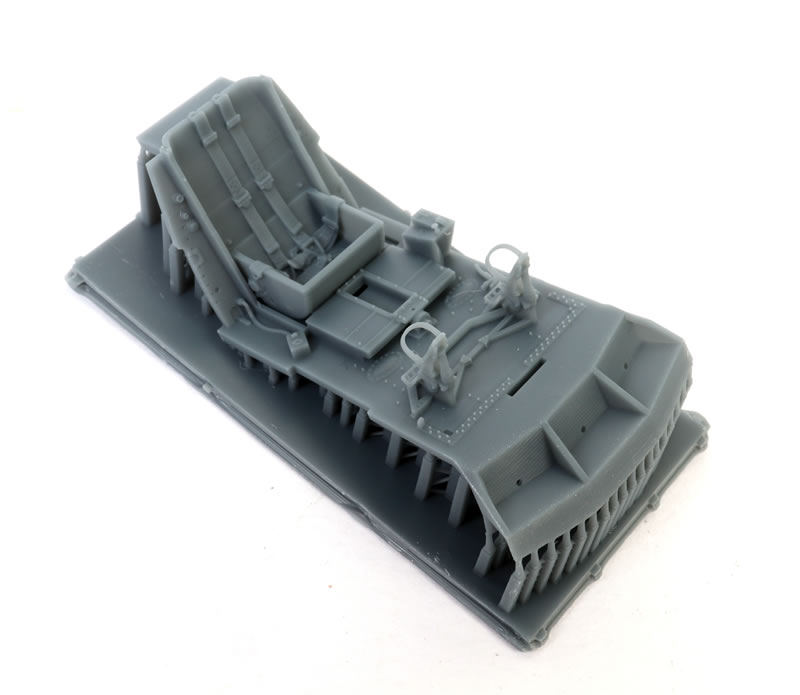
Resin parts include an combined cockpit floor, rear bulkhead, pilot’s seat with harness straps printed in place, rudder pedals and even toe straps.
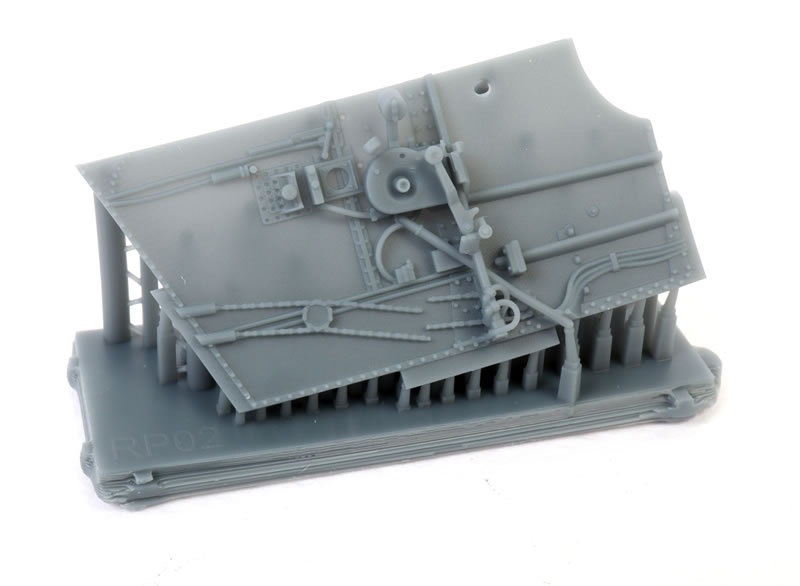
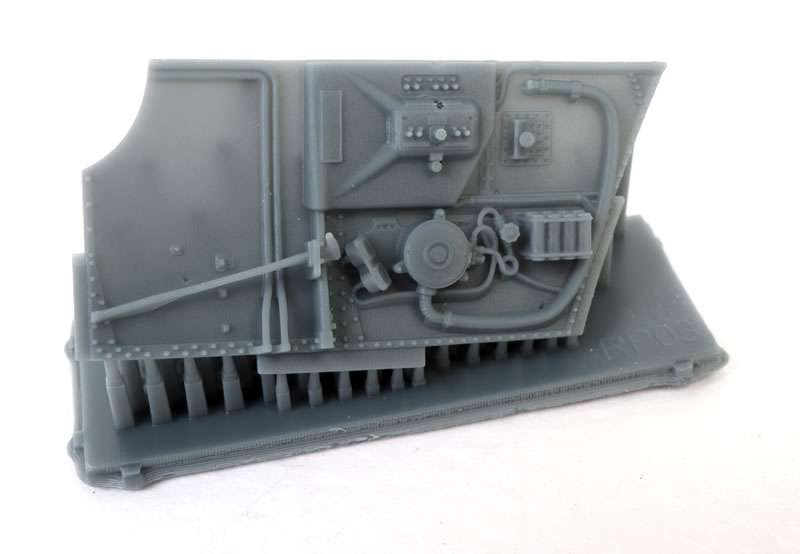
The cockpit sidewalls are lavishly detailed with raised rivets, wiring looms, quadrants, boxes, trim-wheel chains and more. Trim wheels and the control column are supplied as separate resin parts.
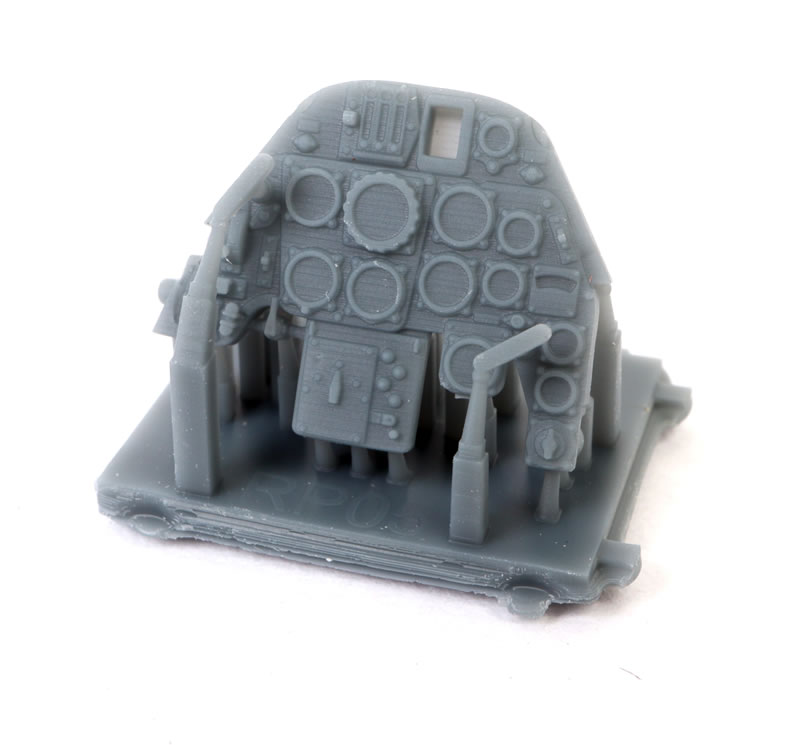
The instrument panel is a single 3D-printed resin part. Once again, detail is excellent.
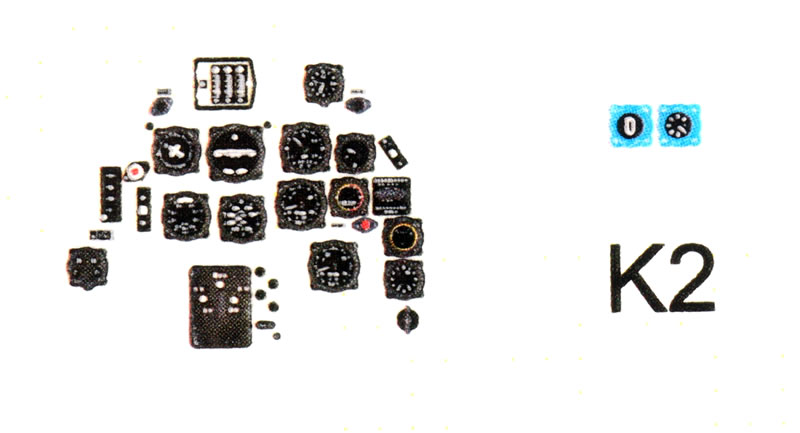
The modeller may choose to paint the dials individually or use the supplied overlay decal.
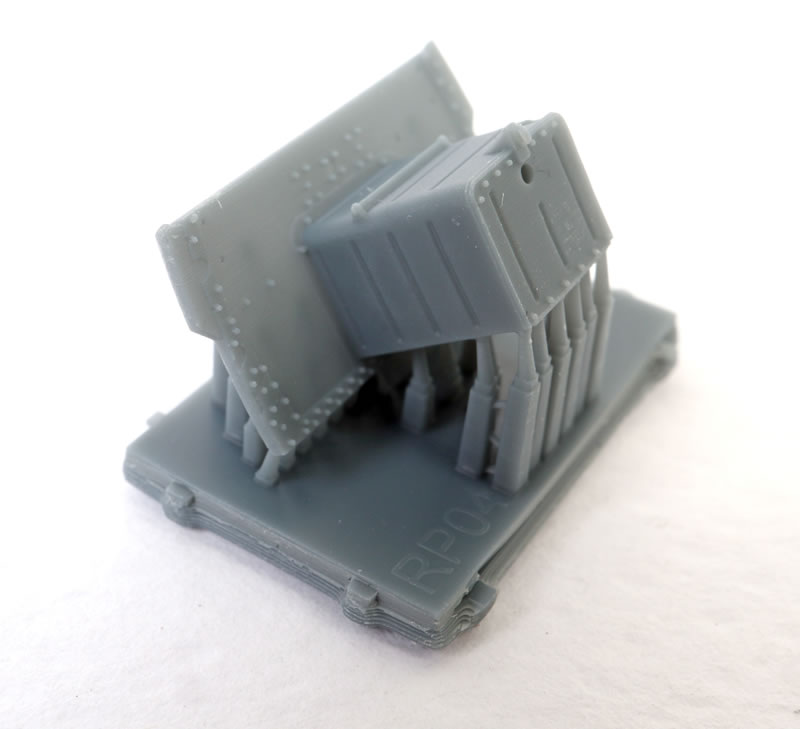
The S-199 cockpit did not have the traditional Bf 109 G/K centreline cannon breech, but this space was repurposed to house a box covering Jumo engine-control mechanisms. This nicely detailed box is printed integrally with the front firewall.
All of this cockpit detail will reward careful painting and weathering.
Wheel-well linings are provided as one 3D-printed part per side, making for a very simple sub-assembly.
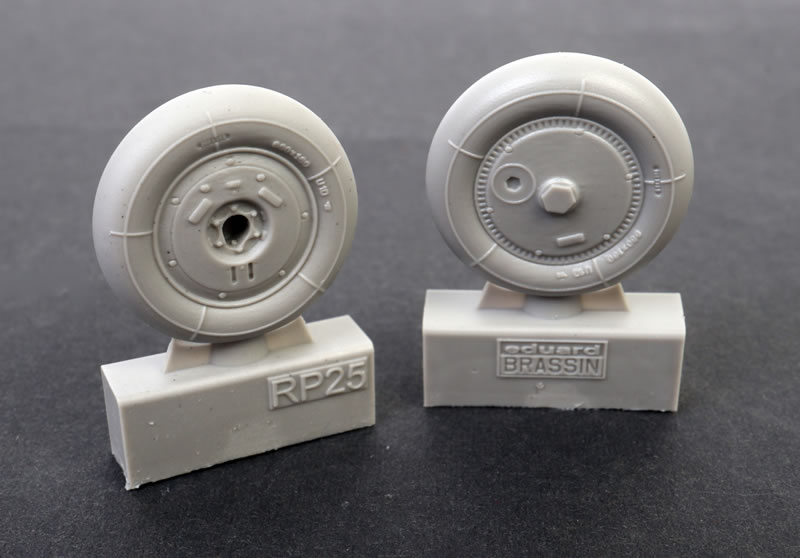
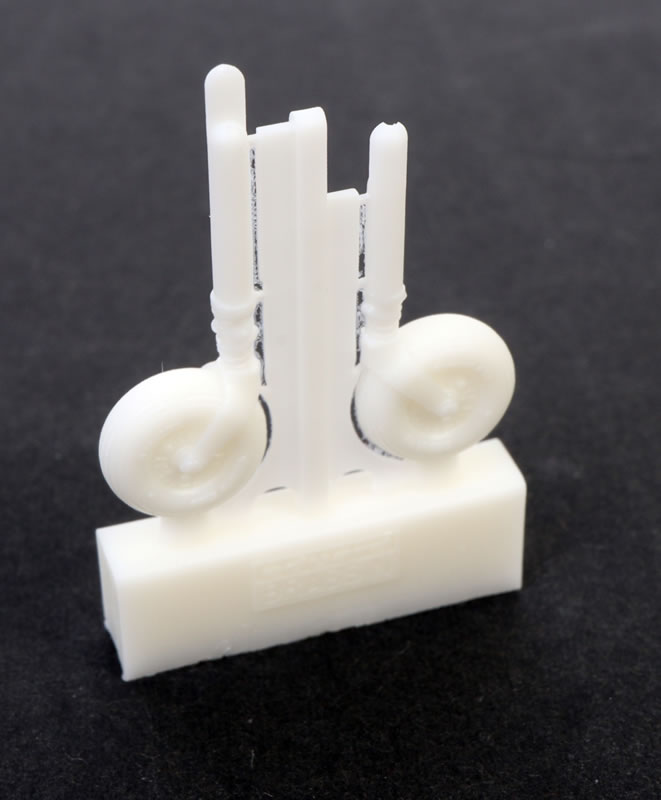
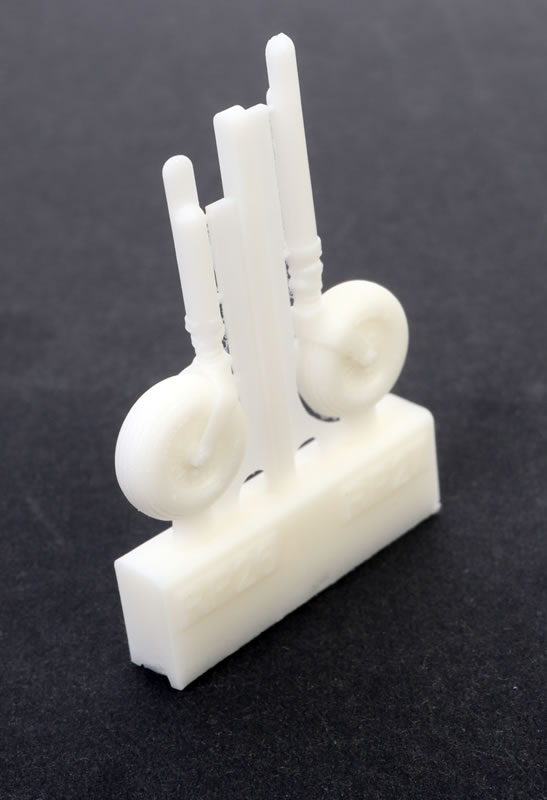
Each landing-gear leg is printed as a single part with oleo scissors, hydraulic lines and a stout locating plug. The Brassin wheels feature crisp hub detail and slick tyres. The wheel hubs are keyed to the axles.
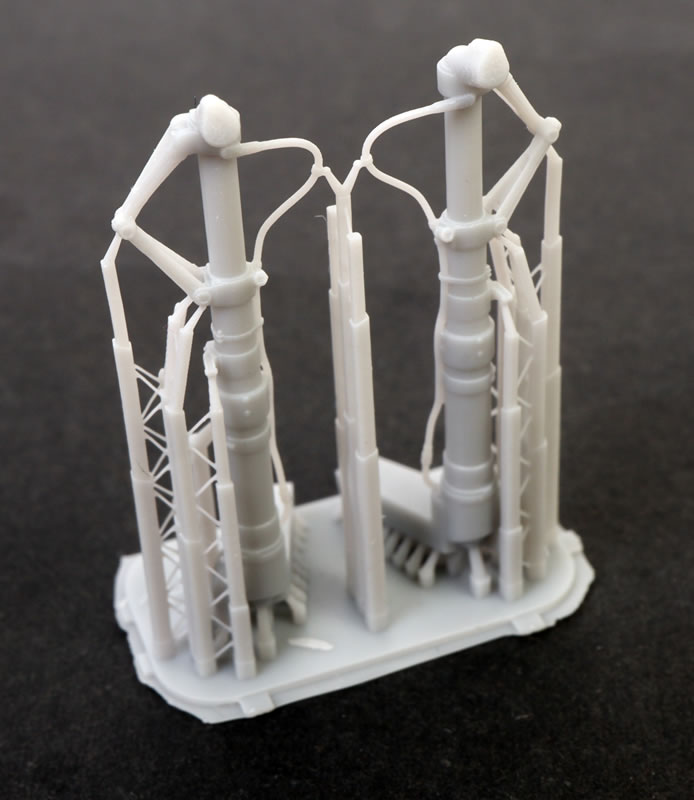
Long and short one-piece tail-wheel struts are supplied in white resin, presumably reinforced.
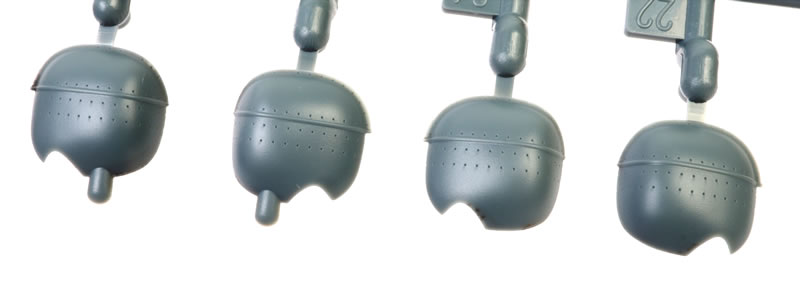
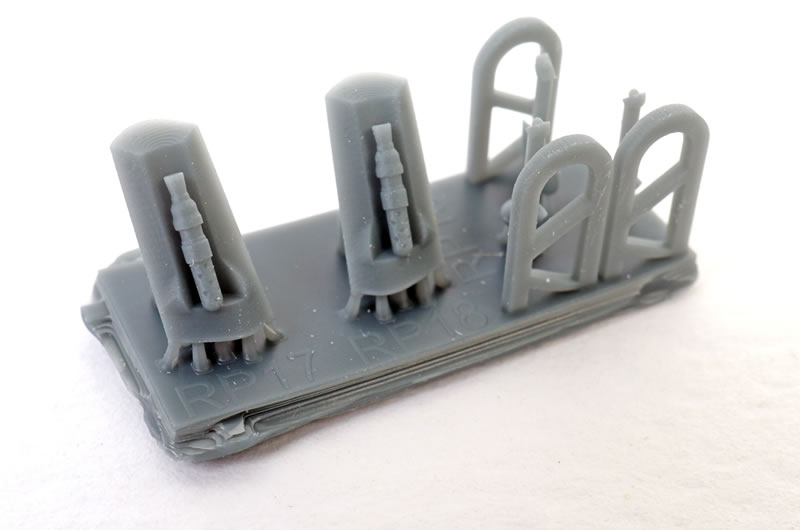
Eduard has designed each muzzle of the cowl-mounted MG 131/20 20 mm cannon as part of a separate resin insert. The cowl guns look terrific with their hollow muzzles and deep cooling-jacket divots.
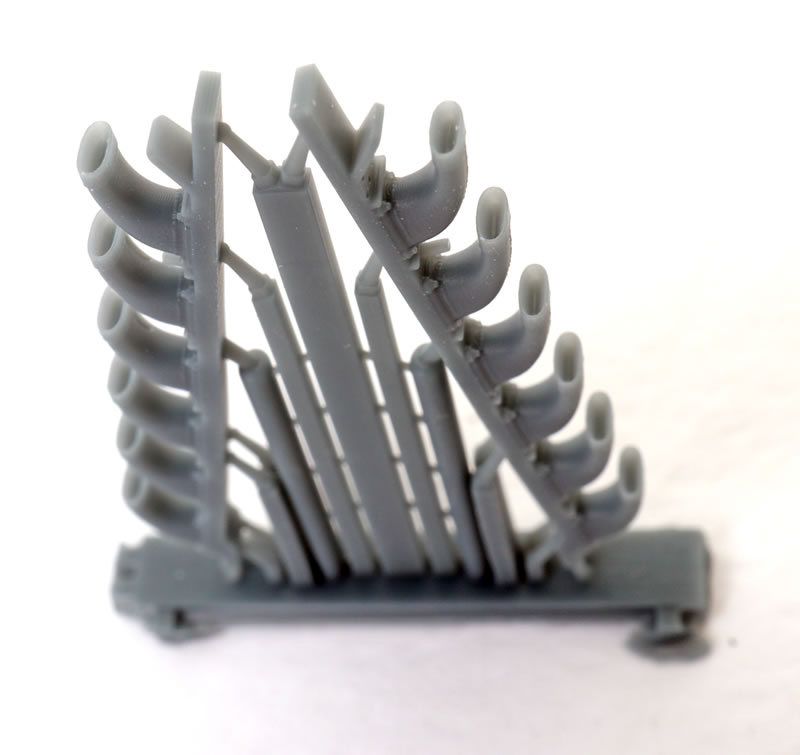
Exhausts are supplied as one part per side. They feature weld beads, bolt head detail and precisely hollowed exhaust stacks.
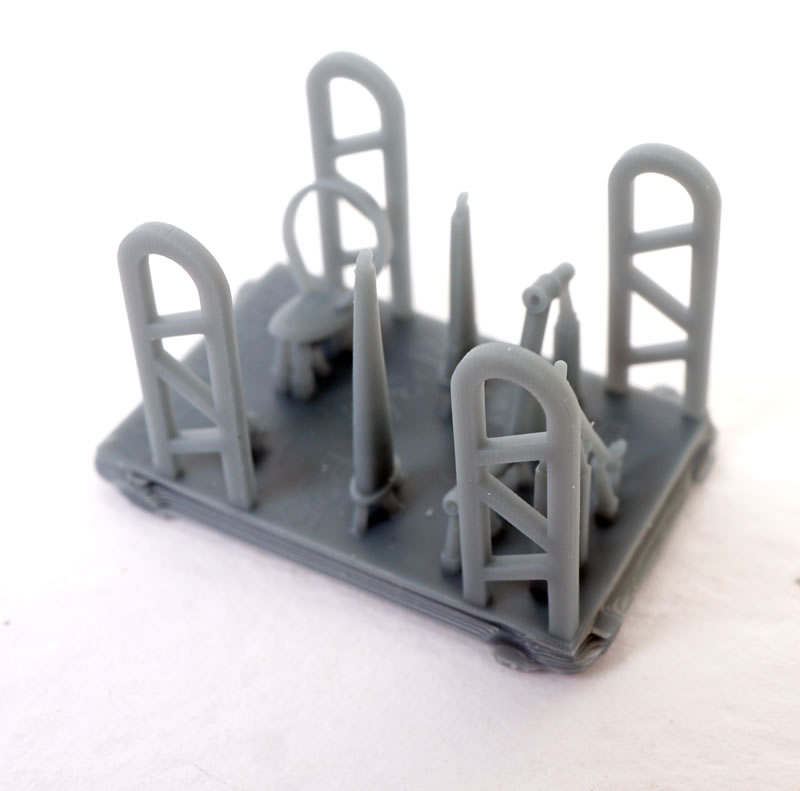
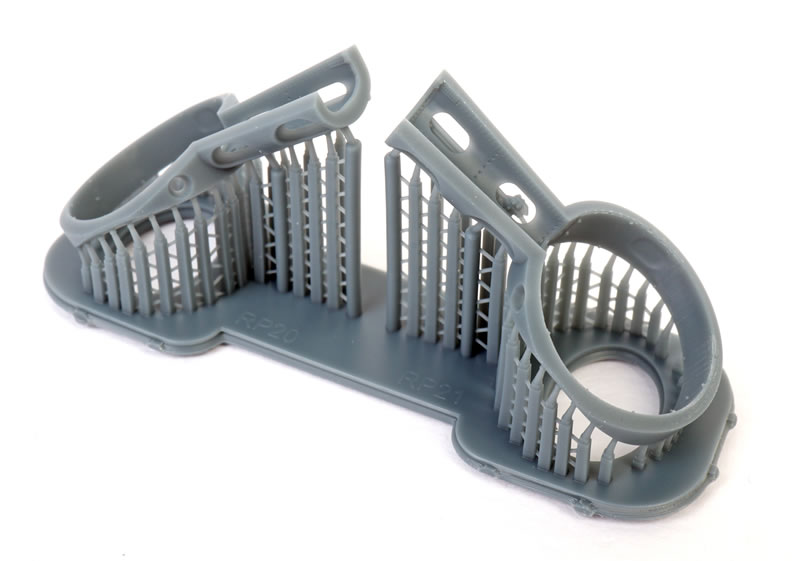
Aerial masts and the DF loop—complete with isolated mount—are printed as separate parts. I like that the DF loop is fine and flattened; I won’t need to go searching for a Tamiya staple this time!
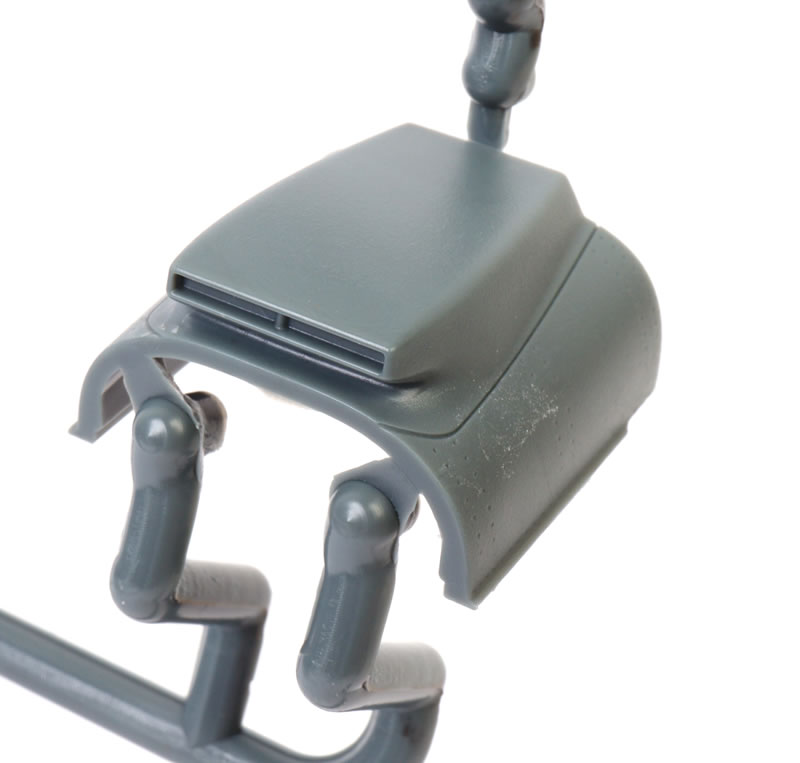
Gondola and MG 131/20 cannon barrels, the Morane mast (also offered in plastic), and the supercharger intake are likewise supplied as 3D-printed parts.
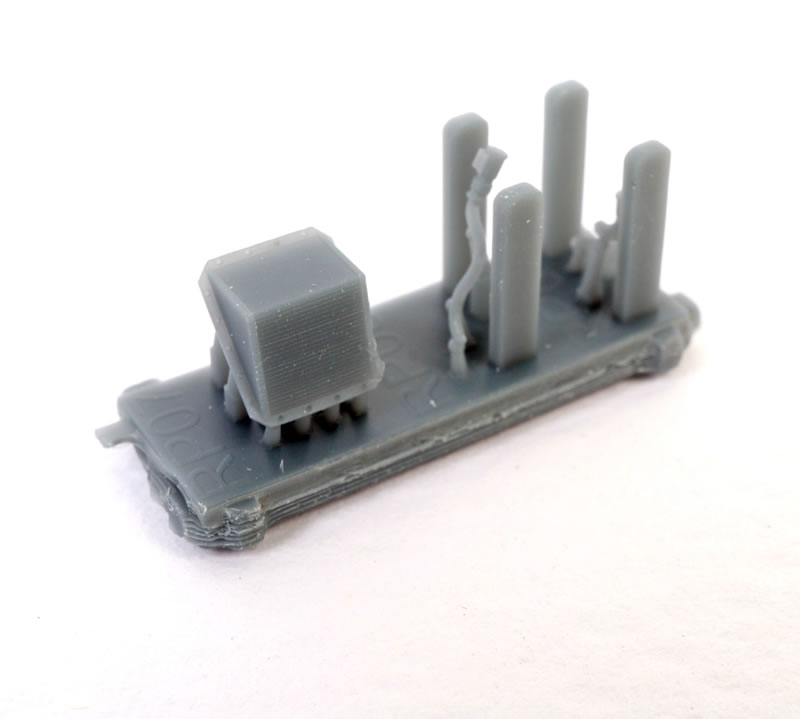
The resin parts also include a squared-off box behind the pilot’s head. On the Bf 109 G this covered the main battery; however, on the Avia S-199 it usually housed radio-related electrical equipment, with layout varying by production batch and radio fit. The cover itself was simply reused unchanged from the Bf 109 G.
Options include underwing 20 mm MG 131/20 cannon gondolas, two different cowl-bulge styles, alternative lower-cowl parts, resin or plastic mass balances, an upper cowl with blanked-off gun troughs, a canopy that may be posed open or closed, and a starter crank. Control surfaces are moulded separately.
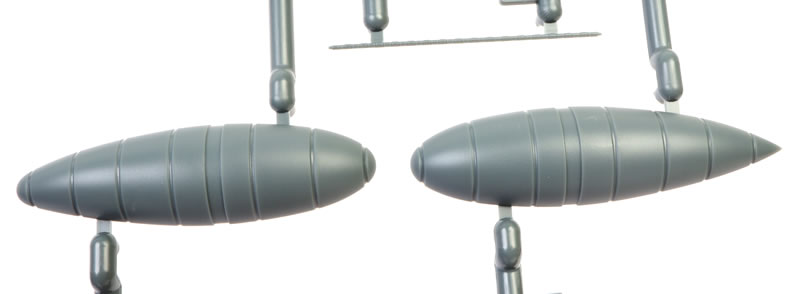
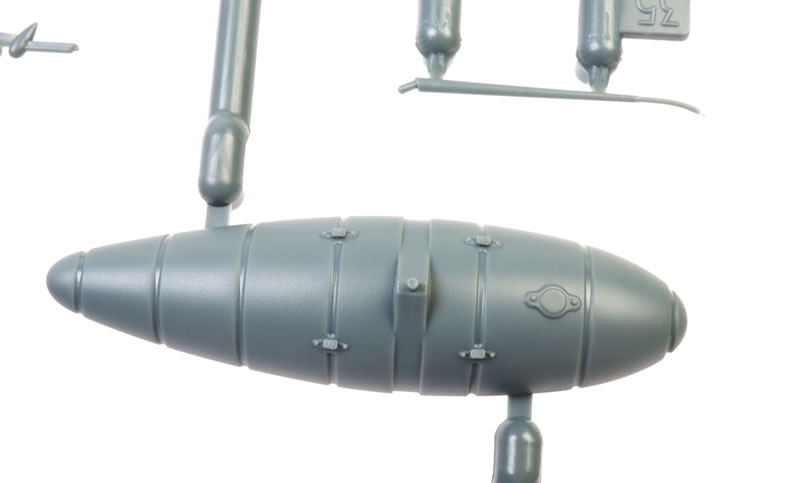
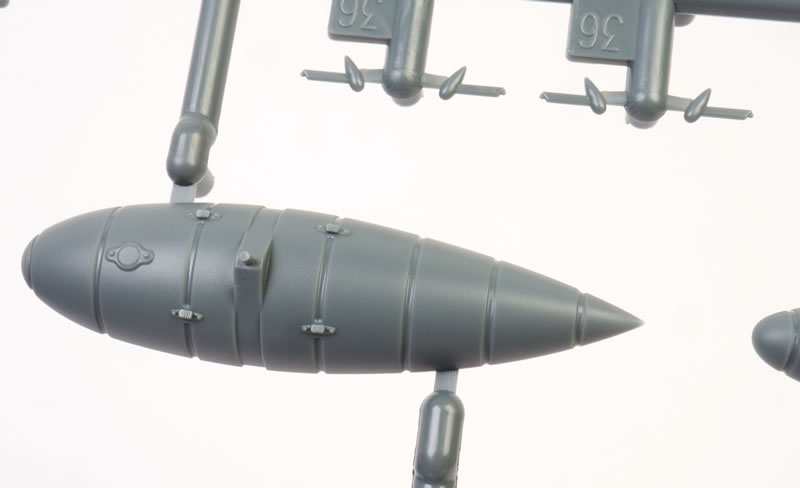
Two styles of 300 litre drop tank and ETC rack are on the sprues but they are not used for this boxing.
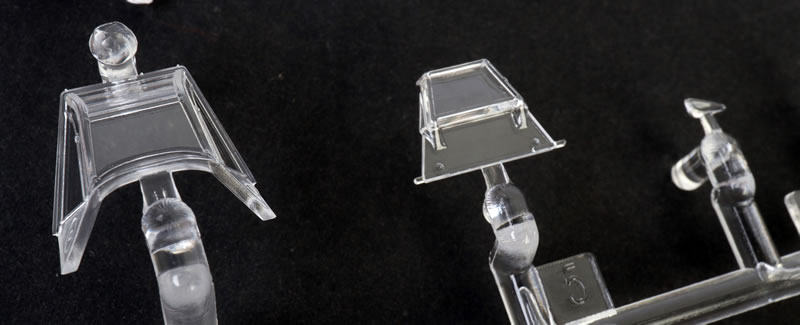
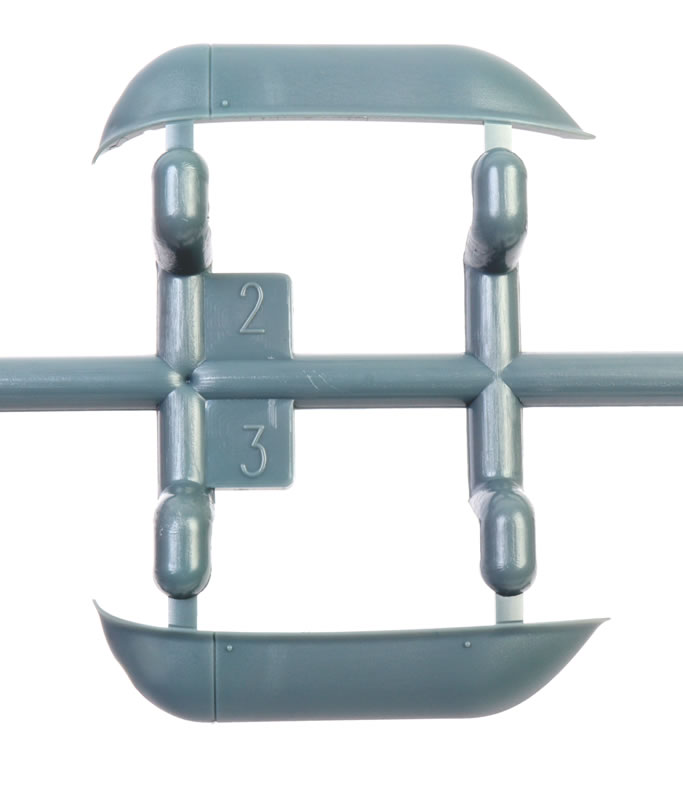
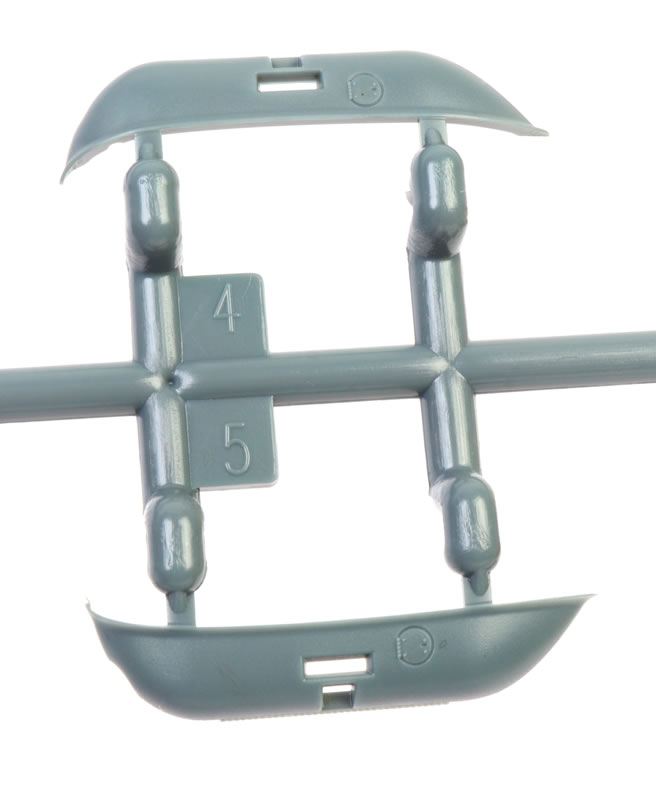
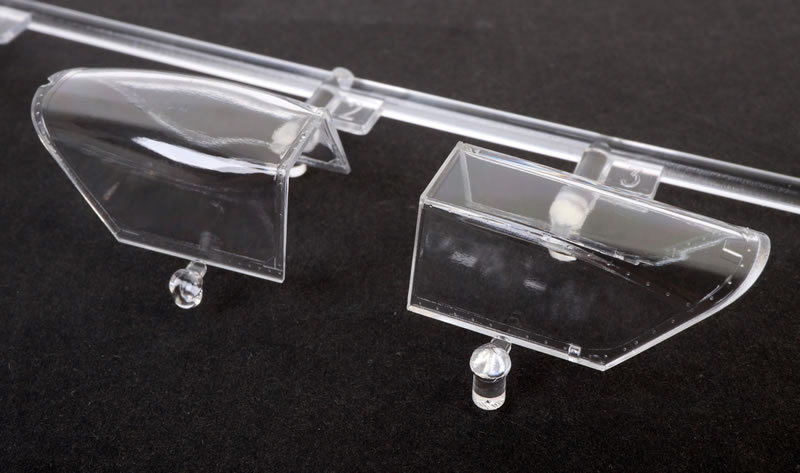
Clear parts include two styles of windscreen, one Erla Haube canopy, the Galland Panzer armoured glass panel, gunsight, navigation lights and the isolated mount for the underwing Morane mast. Two later versions of the blown sliding canopy are also supplied but are not used in this boxing.
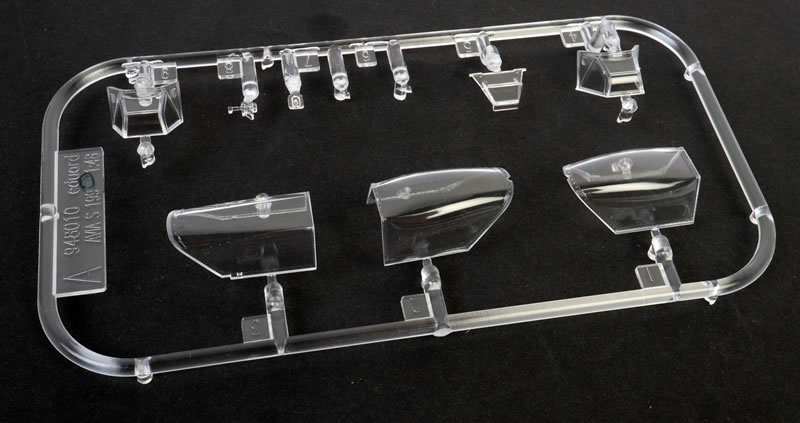
Actually, converting to the late version would require very little work—really just a length of fine Evergreen angle strip on each fuselage side to represent the external canopy rails—but I’ll wait for Eduard to release their late-version kit.
Markings
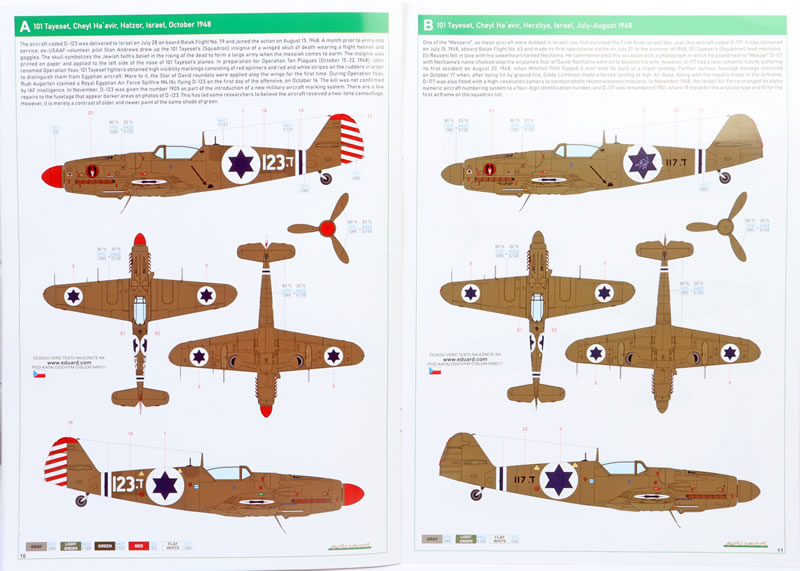
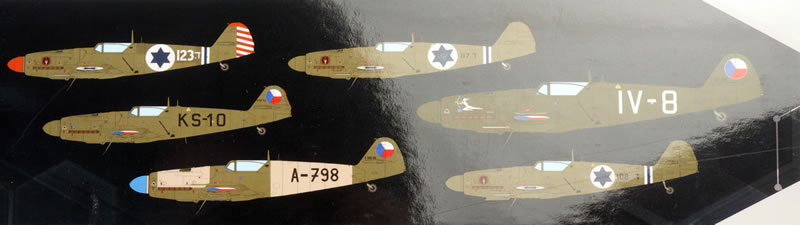
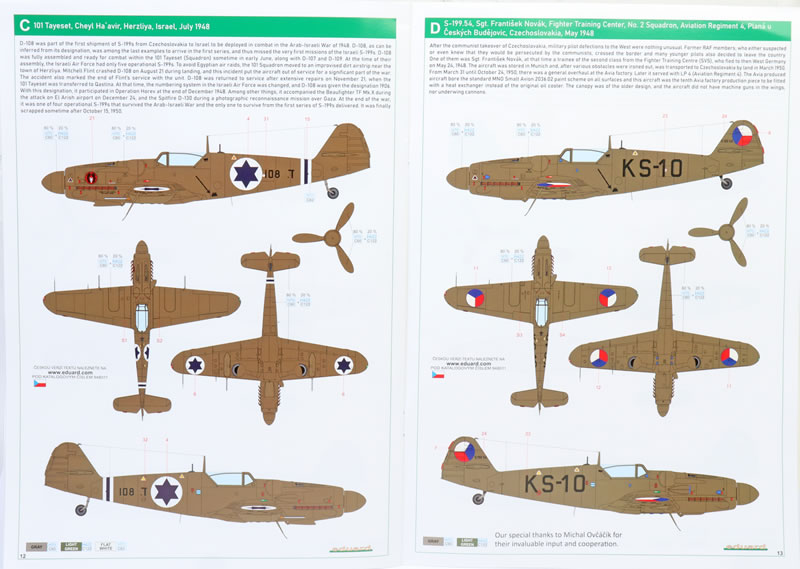
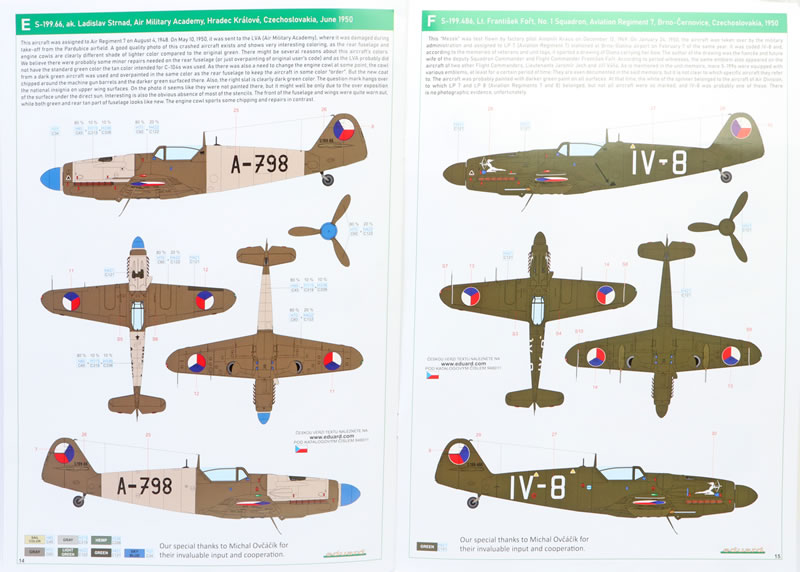
Markings are provided for six options: three Israeli and three Czech.
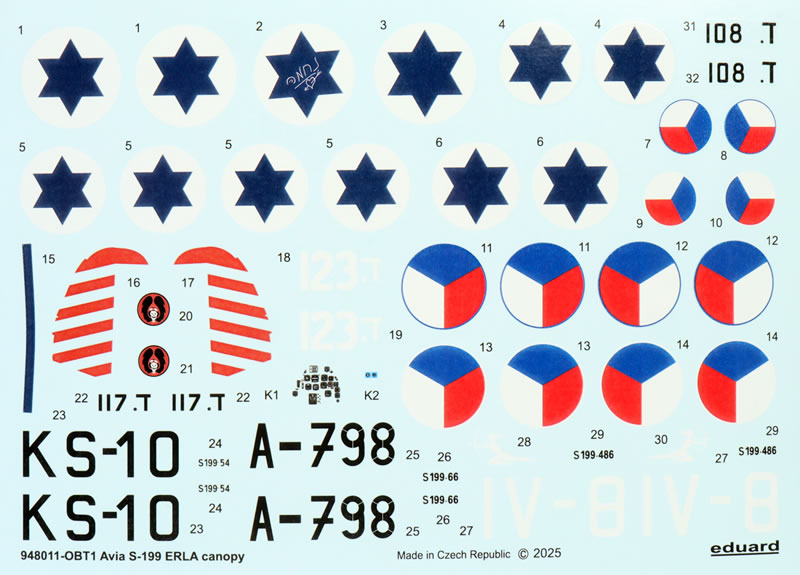
Decals are printed by Eduard. They offer the option of peeling off the decal film, although they work well even if the film is left in place.
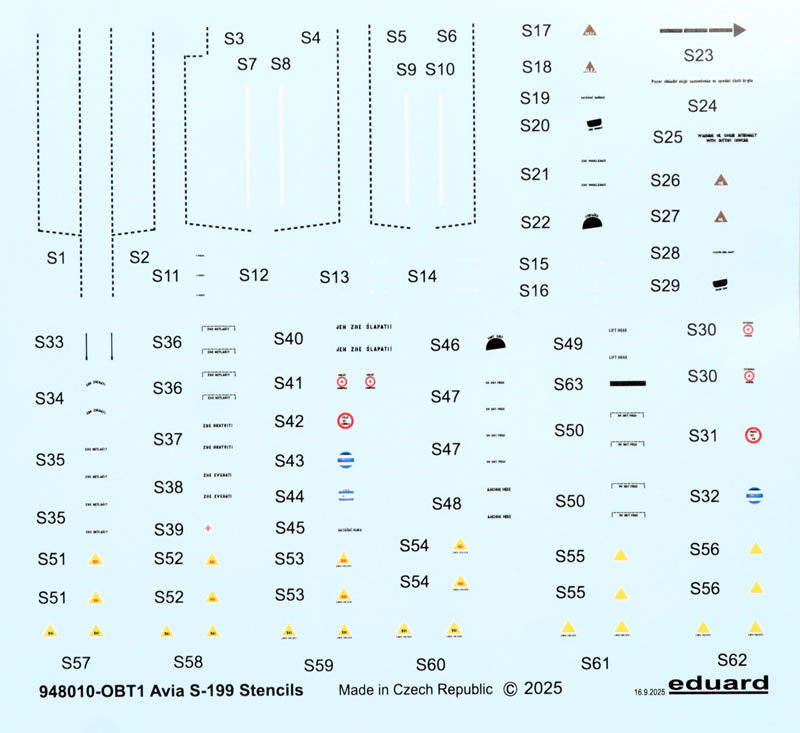
A separate sheet provides stencil markings.
I like this Hybrid concept. It delivers the best of both worlds: a low parts count but big, impressive detail. Just about the only thing I’d like to see added is a colour instrument panel—whether photo-etch or Space—but I’m sure we’ll see aftermarket options soon enough.
I’m already looking forward to Eduard’s next Hybrid release!
Thanks to Eduard for the sample
Review Text Copyright © 2025 by
Brett Green
Page Created 26 November, 2025
Last updated
28 November, 2025
Back to HyperScale Main Page
Back to Reviews Page |
 Home
| What's New |
Features |
Gallery |
Reviews |
Reference |
Forum |
Home
| What's New |
Features |
Gallery |
Reviews |
Reference |
Forum |