Martin AM-1 Mauler
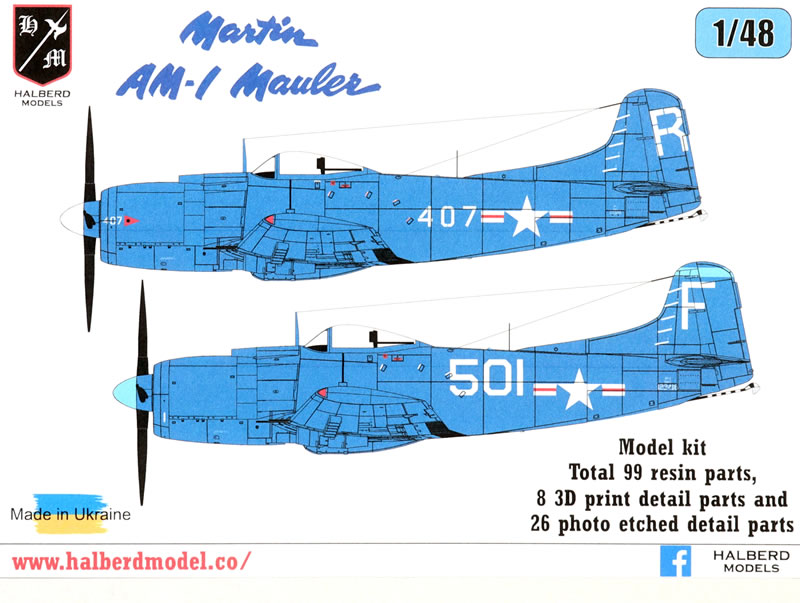
Halberd Models, 1/48 scale
S
u m m a r y : |
Description and Item No.: |
Halberd Models - Martin AM-1 Mauler |
Contents and Media: |
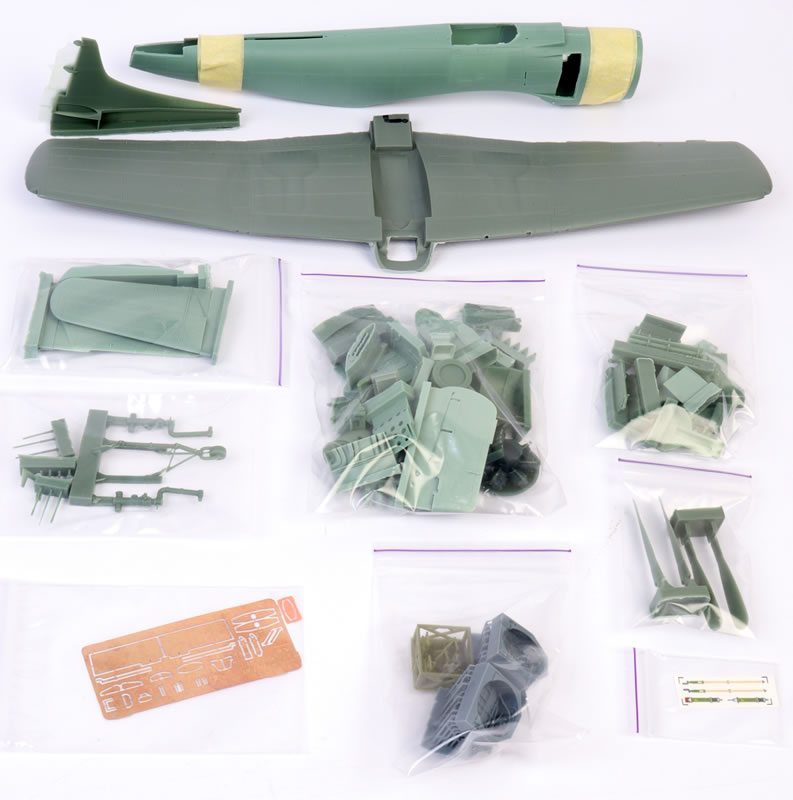
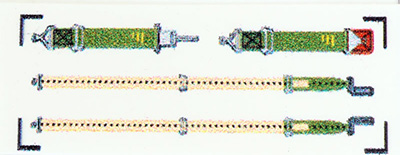
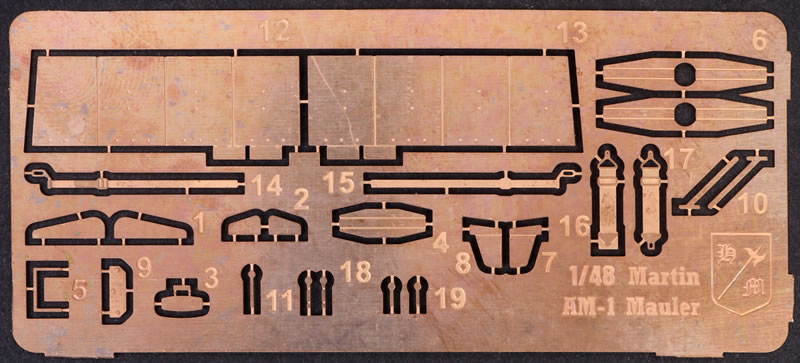
99 conventionally cast resin parts, eight 3D-printed resin detail parts, 26 photo-etched copper pieces on a single fret, four 3D-printed decal harness straps, decals for two marking options and a detailed instruction booklet. |
Price: |
USD$145.00 plus shipping available from Halberd Models |
Scale: |
1/48 |
Review Type: |
First Look |
Advantages: |
Beautifully detailed resin parts; perfect casting; crisply recessed panel lines and rows of rivets; selective use of 3D printing; welcome subject; illustrated instructions included. |
Disadvantages: |
Genuine limited run kit so grab one quickly while you can! |
Recommendation: |
Halberd’s AM-1 Mauler is an impressive 1:48 scale premiere for this long-neglected subject.
Casting quality, surface textures and selective use of 3D printing place it firmly among the best limited-run resin kits on the market.
While the absence of ordnance may disappoint some, the overall package is beautifully executed and thoughtfully presented.
For fans of rare naval aircraft—or anyone looking for a standout project—Halberd’s Mauler is an ambitious, rewarding and genuinely exciting release.
Grab one while you can!
It is also worth keeping in mind that this Ukrainian company continues to manufacture and distribute their models in the middle of a war. Buying this kit is one small way for us to support our Ukranian friends. |
Reviewed by Brett Green

The Martin AM-1 Mauler emerged from a 1944 U.S. Navy requirement for a single-seat “universal attack” aircraft capable of carrying unprecedented ordnance loads from Essex-class carriers. Designed around a massive Pratt & Whitney R-4360 Wasp Major radial engine, the Mauler promised both impressive performance and the ability to haul more than 10,000 pounds of external stores—far more than any contemporary piston-engined attack aircraft. Martin’s design featured broad wings, robust undercarriage and strong internal structure, all aimed at creating a carrier-based strike platform with genuine multi-role capability.
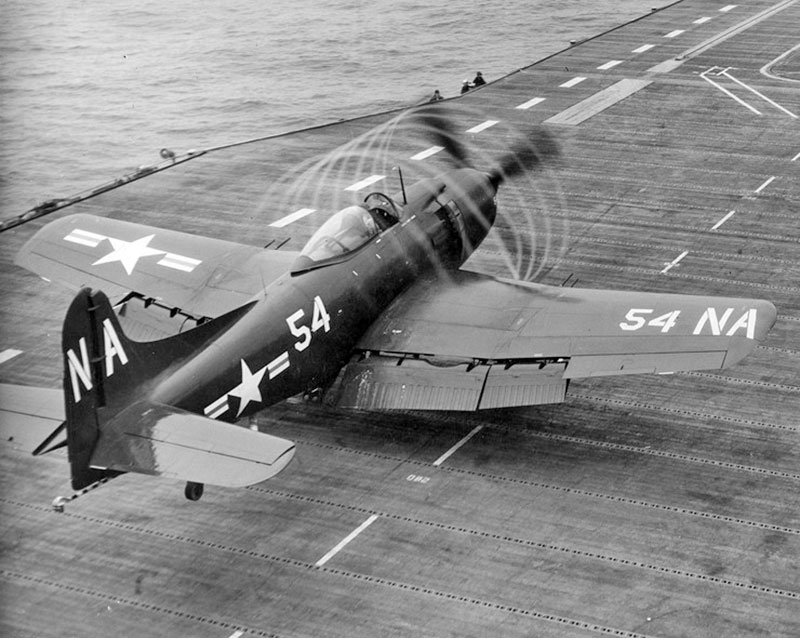
The prototype first flew in August 1944, but wartime priorities and the transition to jet and turboprop concepts slowed development. By the time the AM-1 entered fleet service in 1948, the aircraft was already competing with the smaller, simpler—and ultimately more adaptable—Douglas AD Skyraider.
Although the Mauler offered greater payload and a higher top speed, its complexity, heavy maintenance demands and unforgiving handling characteristics counted against it in day-to-day operations. Pilots respected its strength but found it demanding, particularly during carrier recovery where its weight and high landing speeds could be challenging.
Loadout
The Martin AM-1 Mauler earned its “Able Mabel” nickname for good reason: it could haul an astonishing amount of ordnance. Typical and maximum loadouts were far heavier than anything carried by its contemporaries, including the AD Skyraider.
In service aboard USS Midway and at shore stations with VA-21A/VA-1L and later VA-22/VA-24, Maulers generally flew with balanced, practical combinations rather than maximum-weight “stunt” loads.
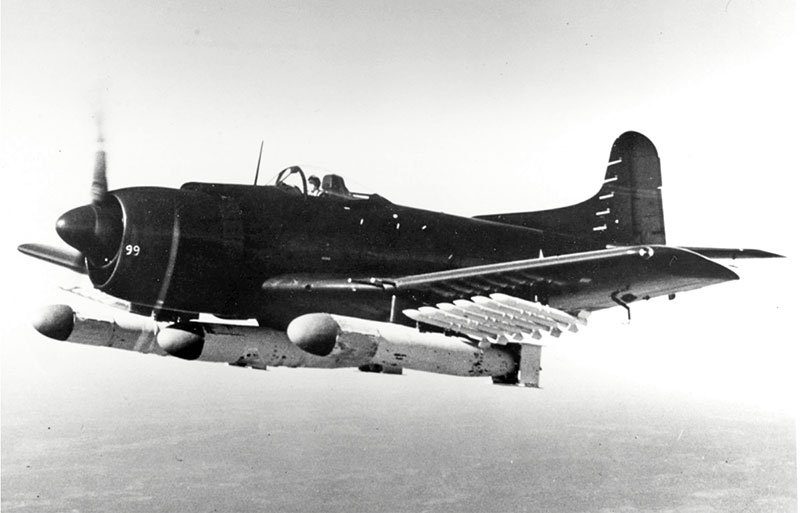
Common loadout patterns included:
1. Anti-shipping / Strike
- 1 × torpedo (Mk 13 or similar)
- 2 × 500 lb bombs
- HVAR rockets (4–8)
2. Close Air Support / Ground Attack
- 4–6 × 500 lb bombs or 2 × 1,000 lb bombs
- HVAR rockets (up to 12)
- Incendiaries or fragmentation bombs on wing pylons
3. General-purpose attack
- Mixed combinations of:
- 250 lb, 500 lb, or 1,000 lb bombs
- HVAR rockets
- Navy 20 lb practice bombs for training
Maximum Demonstrated Load
The Mauler became famous for its record load-carrying capability:
- Up to 10,648 lb of ordnance
(the Skyraider famously carried 8,000 lb)
This involved combinations such as:
- 3 × torpedoes or
- 12 × 500 lb bombs + 12 HVAR rockets (demonstration only)
These loads were not used operationally and were flown for trials only.
Defensive Armament
- 4 × 20 mm cannons (in some prototypes/early configurations)
- Production AM-1s typically retained 2 × 20 mm cannons, depending on batch.
Operational Use and Withdrawal From Service
Operational use was limited but instructive. The Mauler served primarily with VA-44, VA-84 and a handful of Naval Reserve units. In fleet trials and peacetime deployments, the aircraft demonstrated its ability to carry extraordinary combinations of bombs, torpedoes, rockets and mines. Despite this, the Navy found the aircraft overly specialised and less flexible in a rapidly evolving post-war environment. The Skyraider’s superior range, easier deck handling and lower operating costs ultimately shifted procurement priorities firmly toward Douglas.
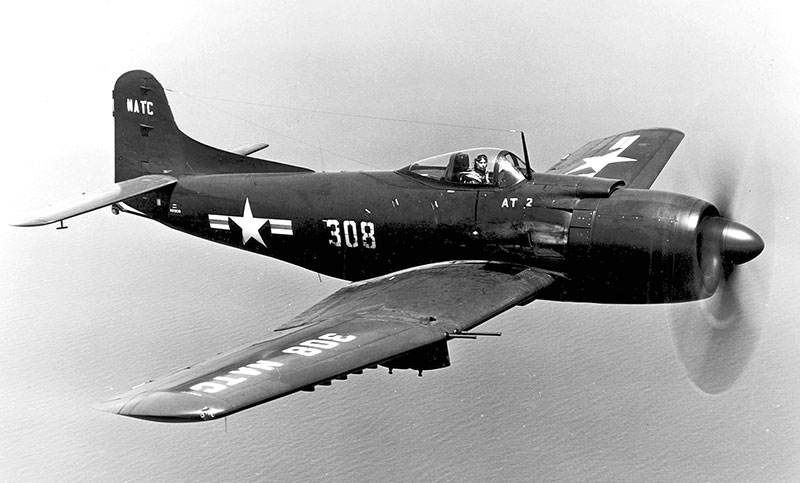
By 1950, frontline Maulers were already being withdrawn, replaced by AD Skyraiders and early jets. Most AM-1s finished their careers in training and Reserve squadrons before being retired entirely by the mid-1950s.
Today, the Martin AM-1 Mauler remains one of naval aviation’s great “what-ifs”—a powerful and ambitious design that arrived just a little too late and demanded just a little too much from its operators. It stands as a fascinating counterpoint to the Skyraider, illustrating how two aircraft conceived for the same mission could meet such different fates.
Halberd Models from Ukraine continues its exploration of rare birds with its latest full kit, a 1:48 scale Martin AM-1 Mauler.
As far as I am aware, this is the first 1:48 scale AM-1 Mauler kit released in any medium.
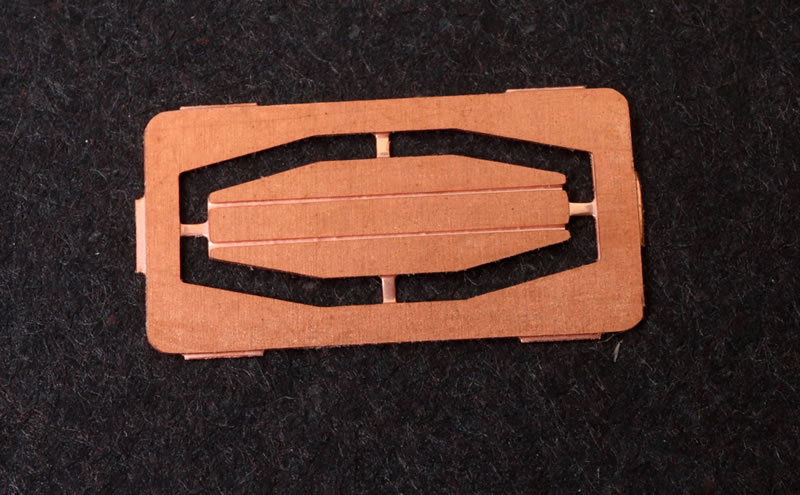
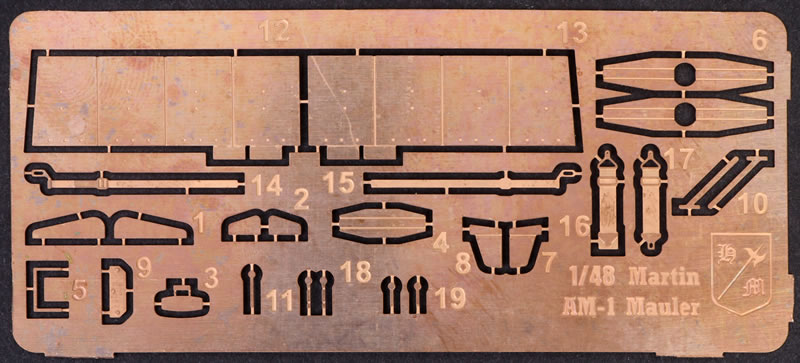
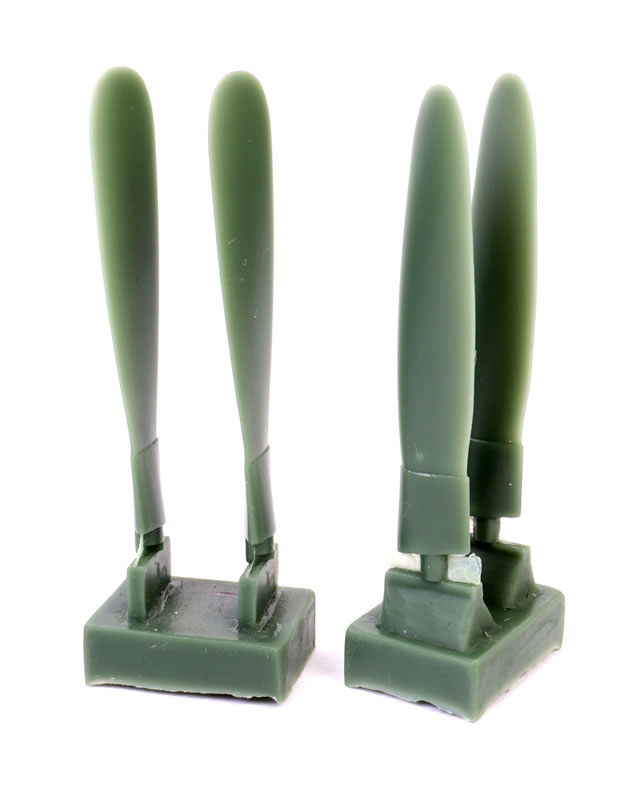
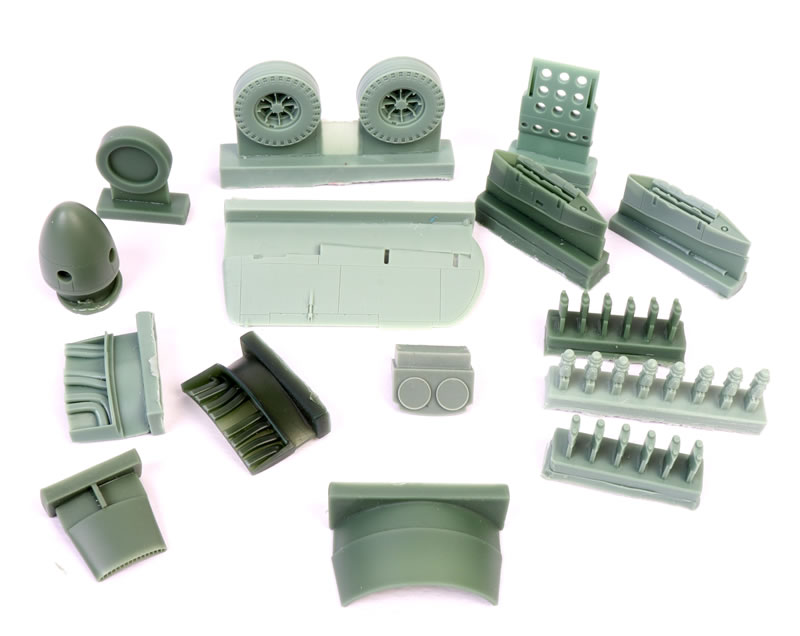
Halberd’s Mauler comprises 99 conventionally cast resin parts, eight 3D-printed resin detail parts, 26 photo-etched copper pieces on a single fret, four 3D-printed decal harness straps, decals for two marking options and a detailed instruction booklet.
The resin parts are packed carefully into a stout cardboard box, with smaller pieces sorted into clear zip-lock bags. These are protected within layers of bubble wrap, ensuring everything arrives intact after the long journey from Ukraine to Australia.
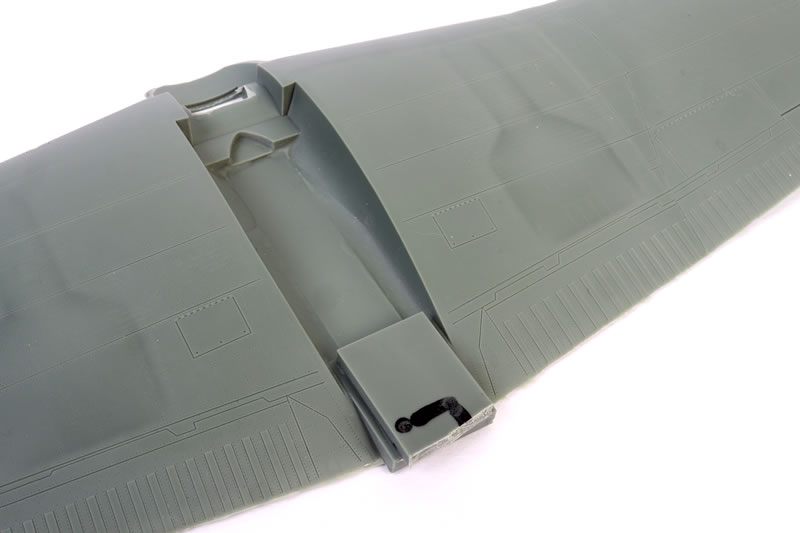
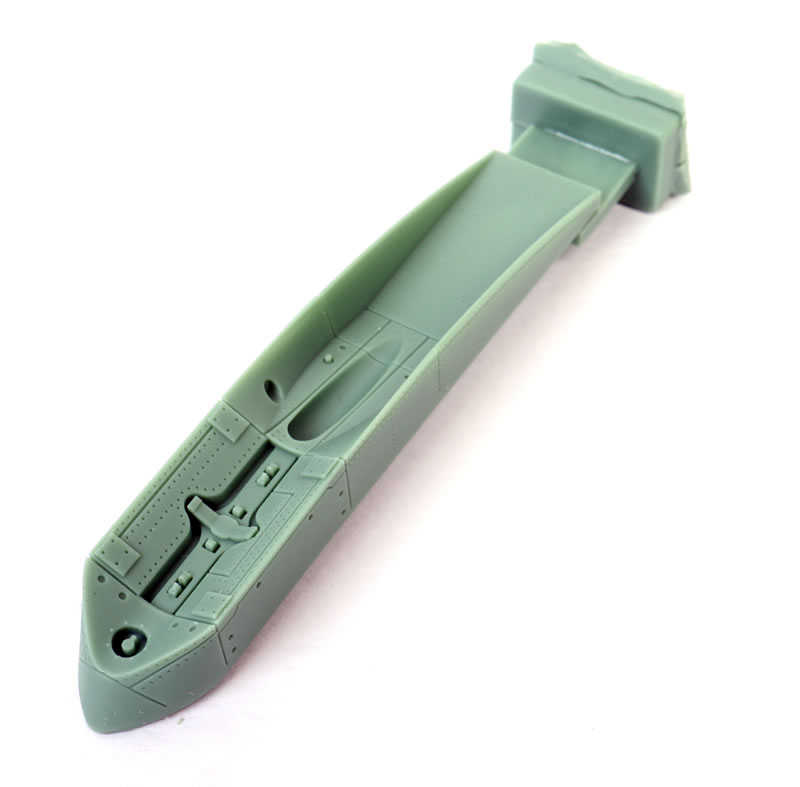
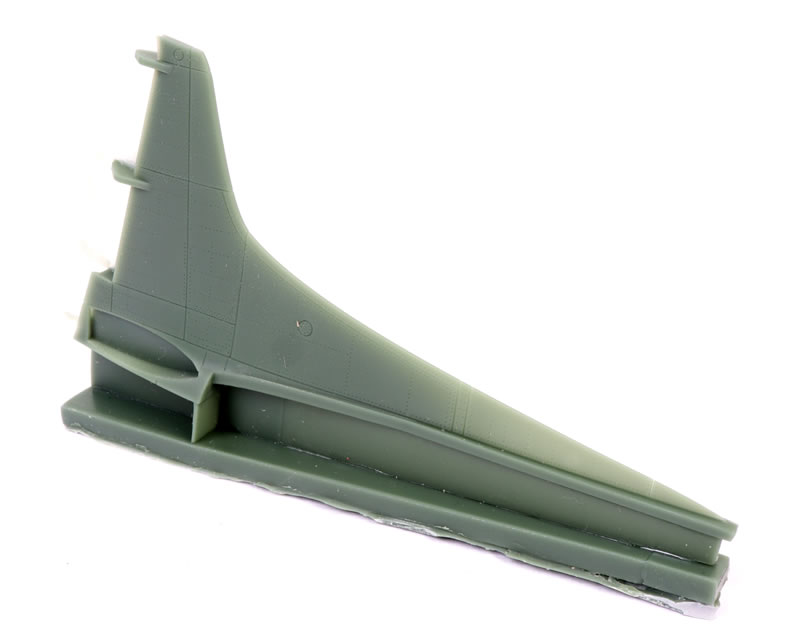
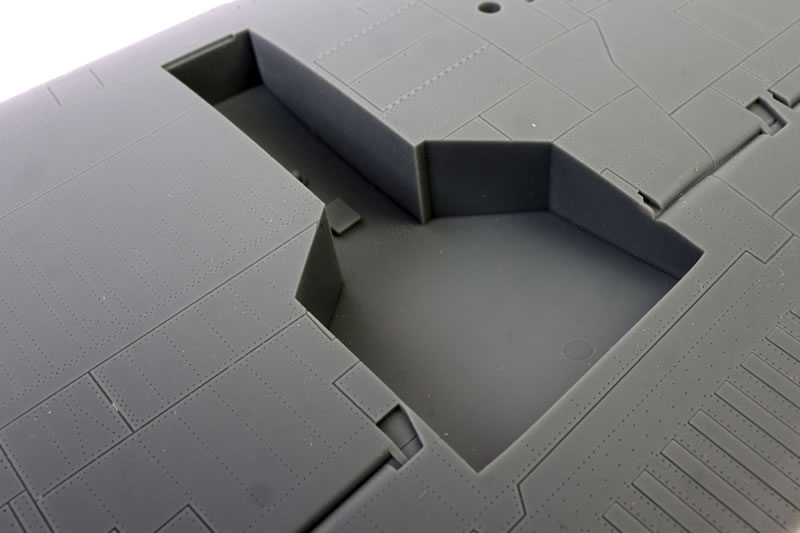
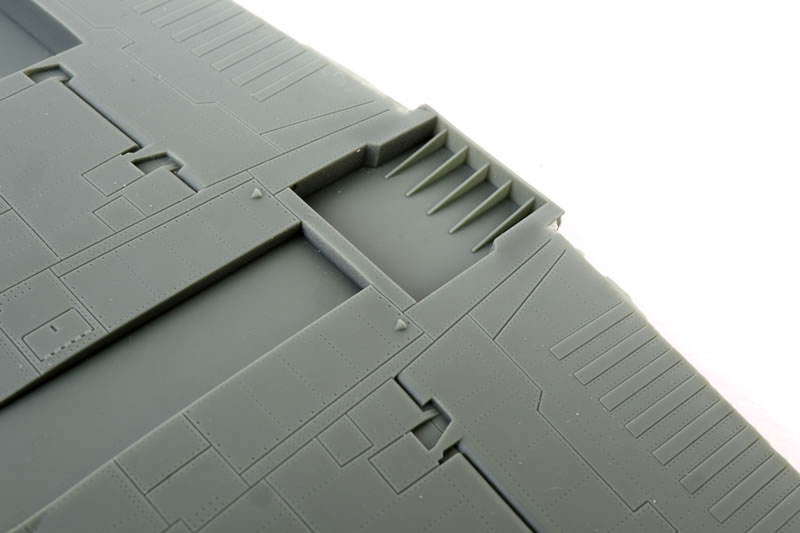
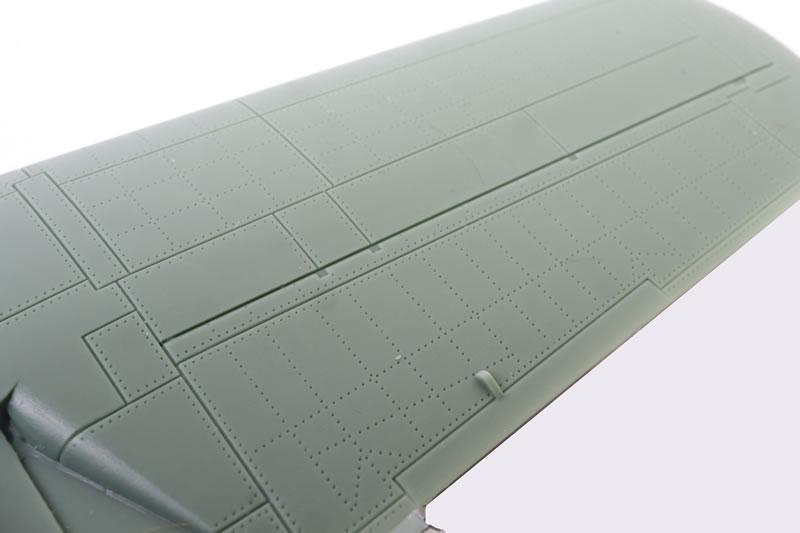
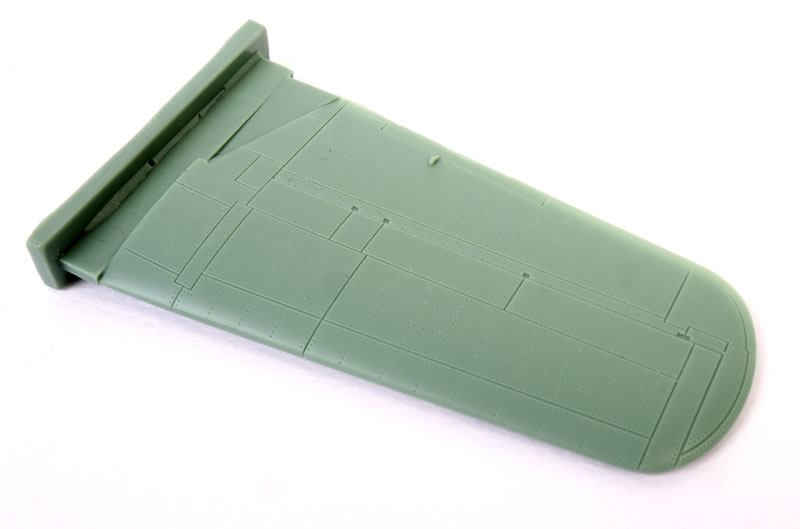
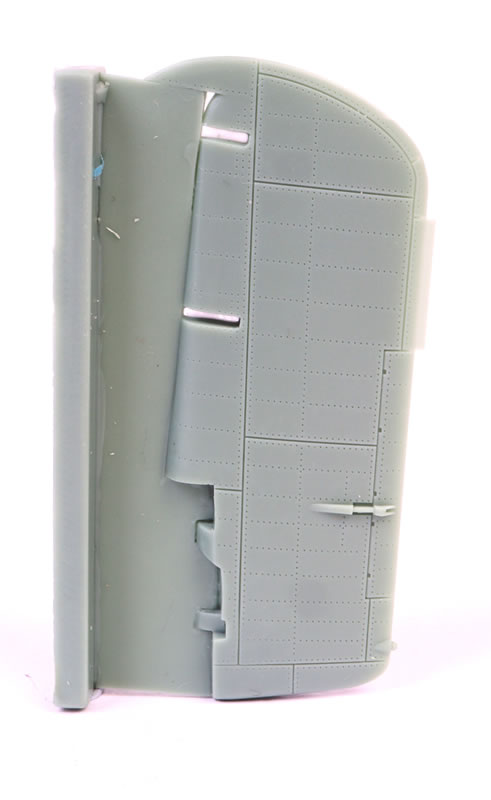
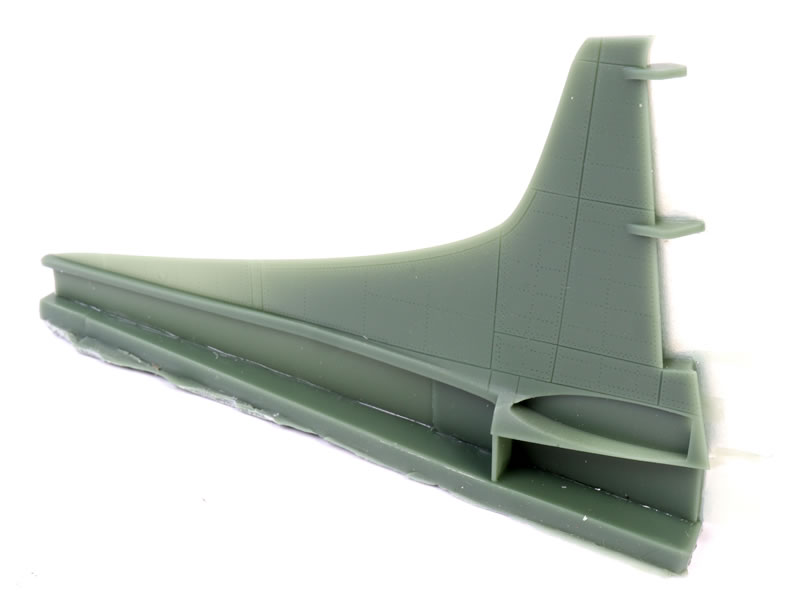
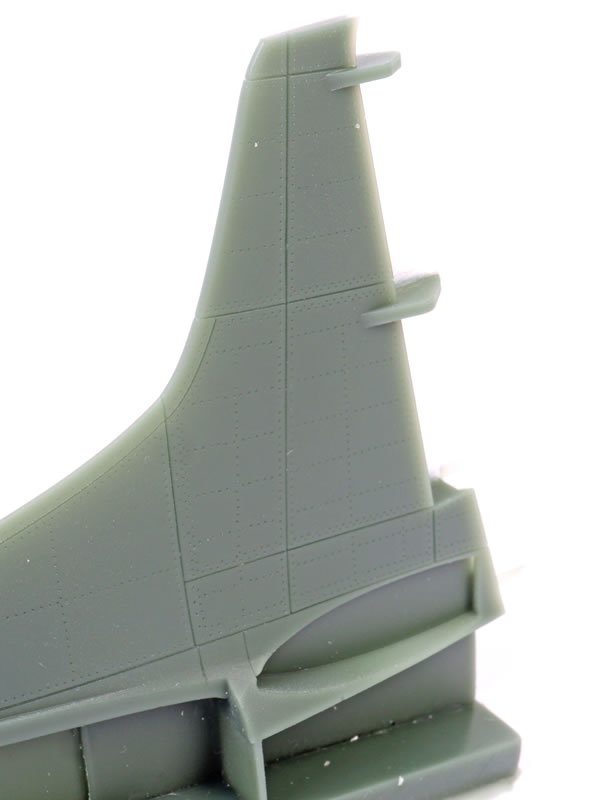
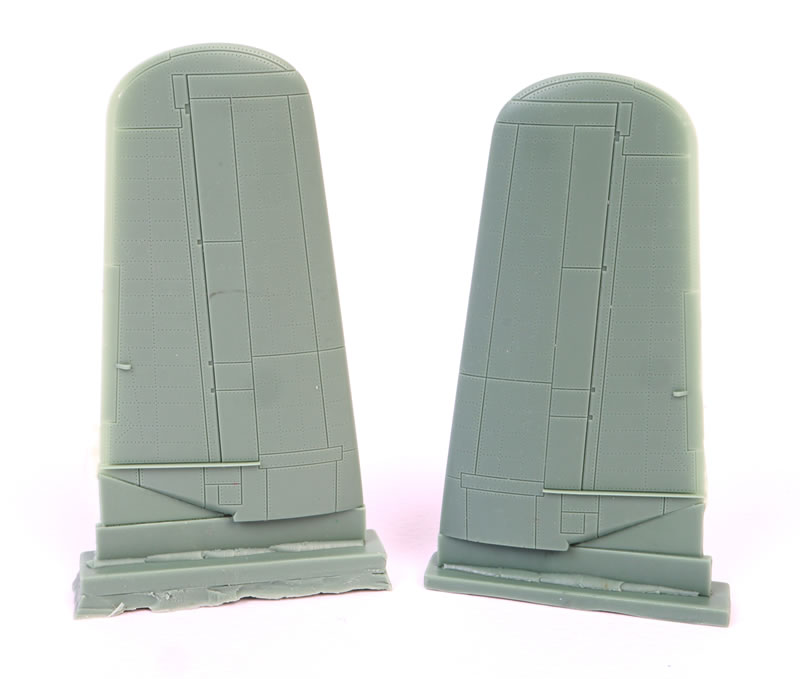
Production quality is excellent, with only minimal clean-up required. Surface textures are on par with the best manufacturers working today—crisp, fine and consistent. Photos don't really do the surfaces justice - the closer you look, the better the big resin parts appear.
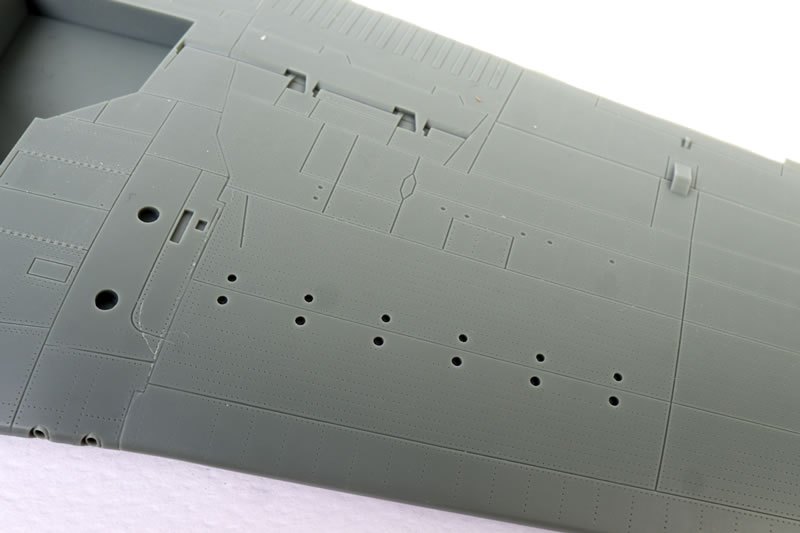
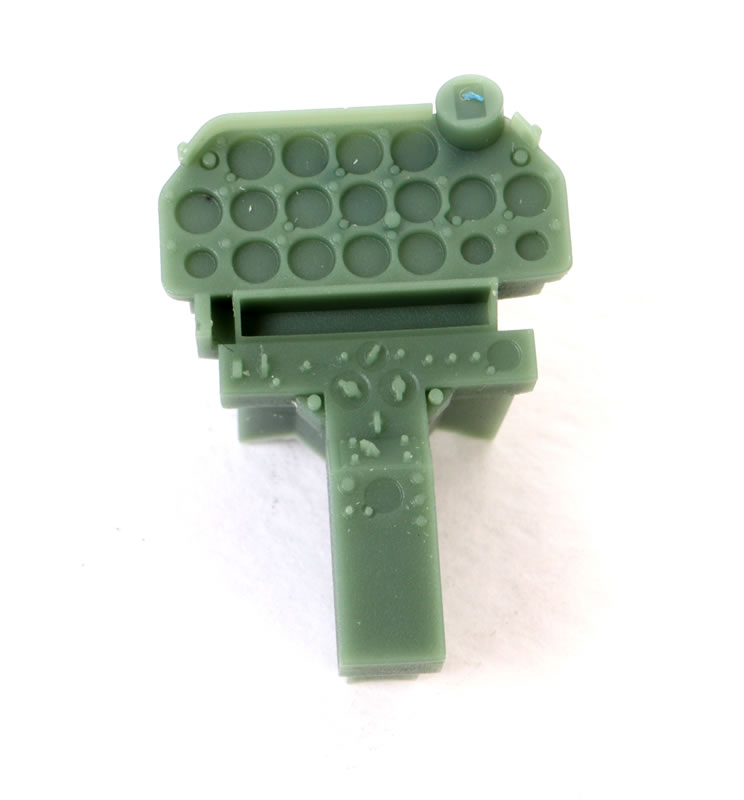
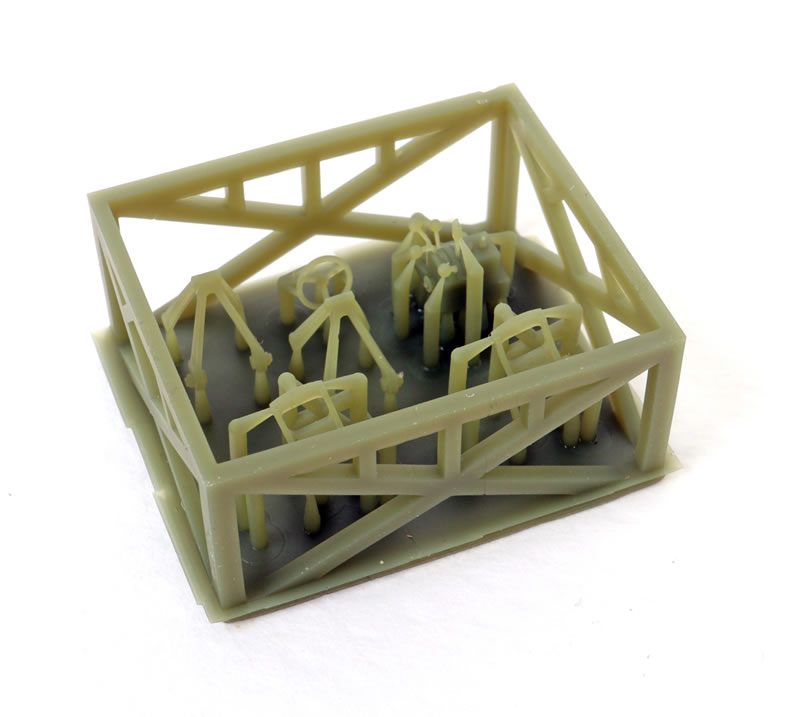
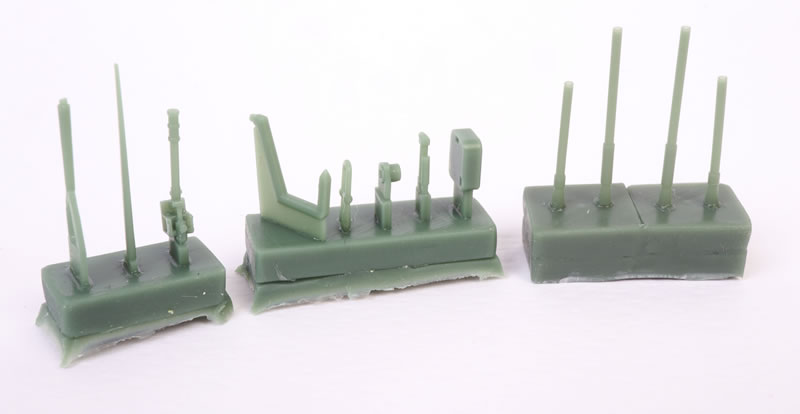
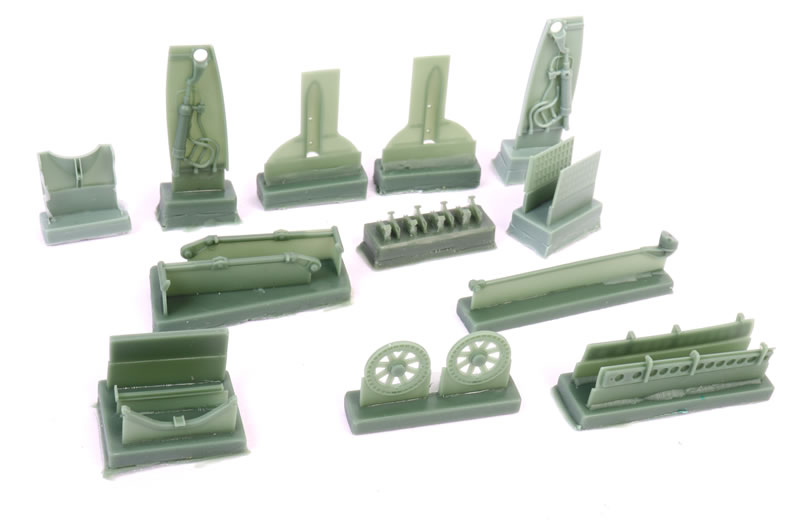
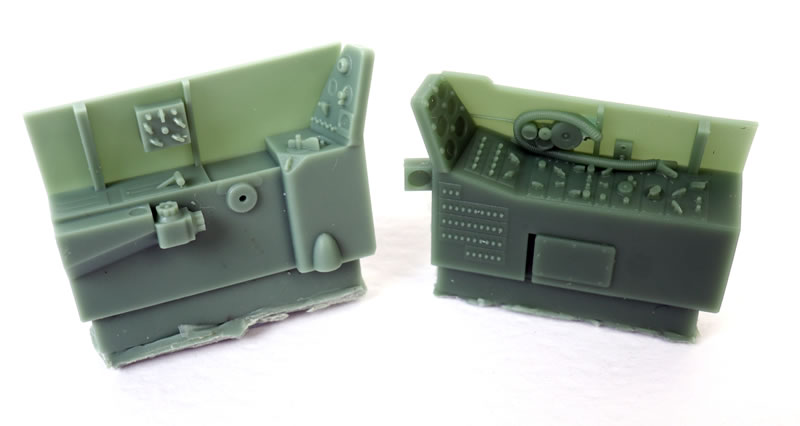
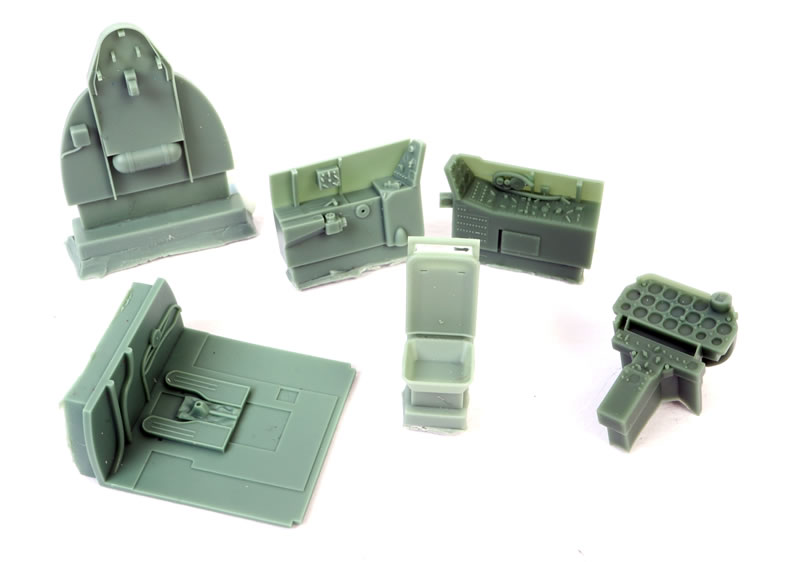
The cockpit is suitably busy, with a rear bulkhead featuring a cast-in oxygen bottle, detailed side consoles, an instrument panel with decal overlay, cockpit floor and pilot’s seat.
The trim wheel, control column and throttle quadrant are provided as separate 3D-printed parts.
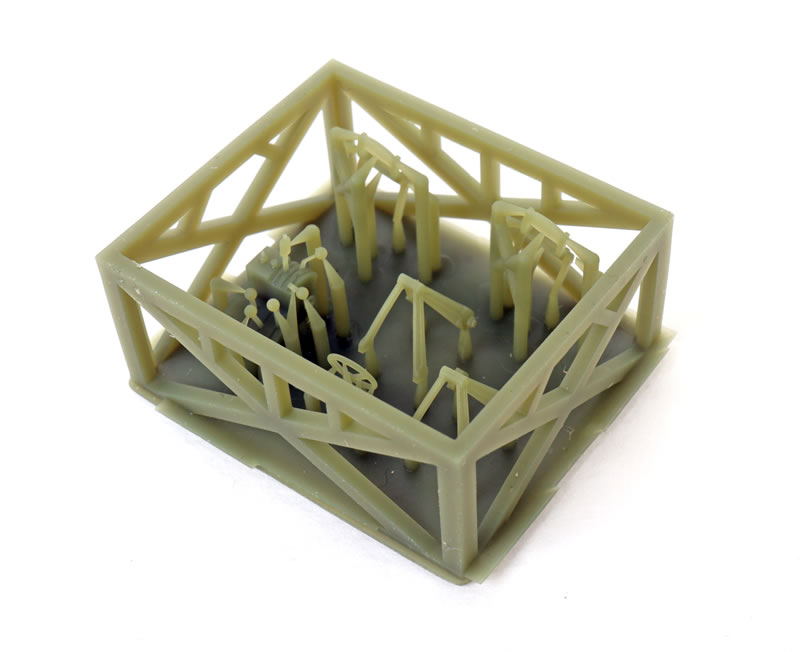
Two harness options are included—photo-etched copper straps or colour-printed 3D decal belts.
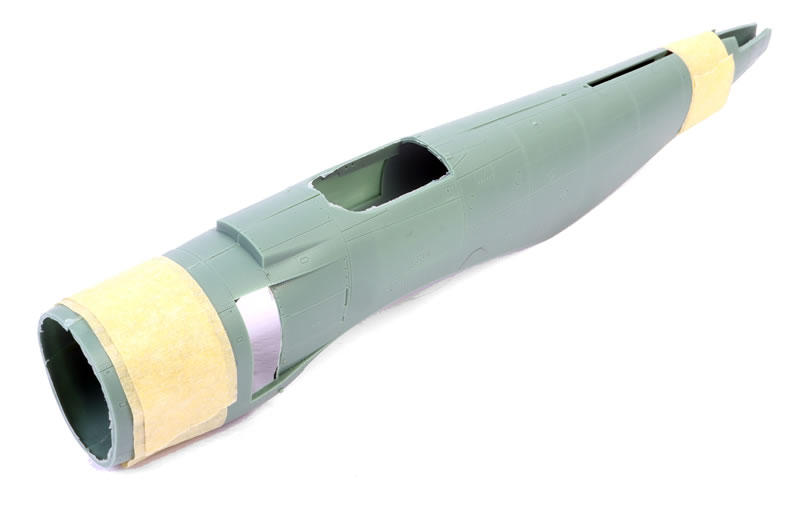
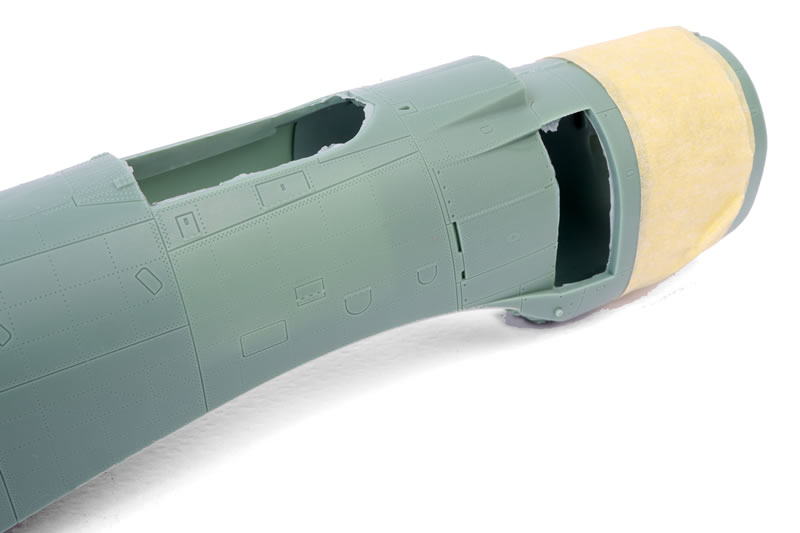
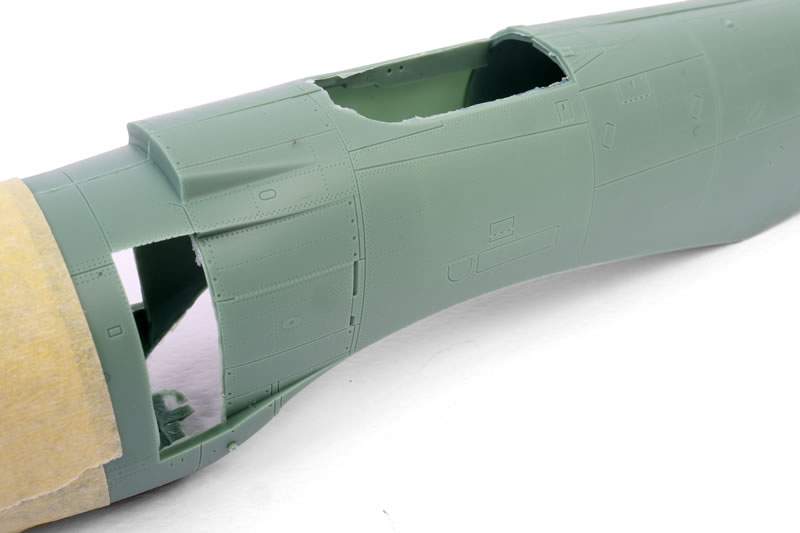
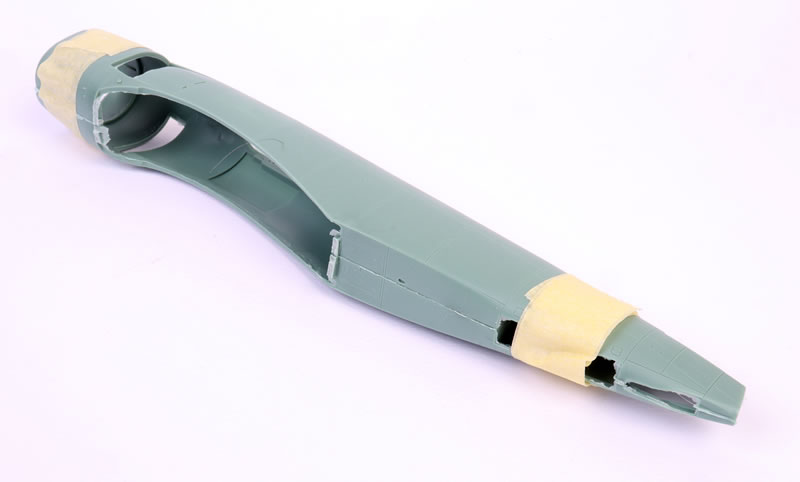
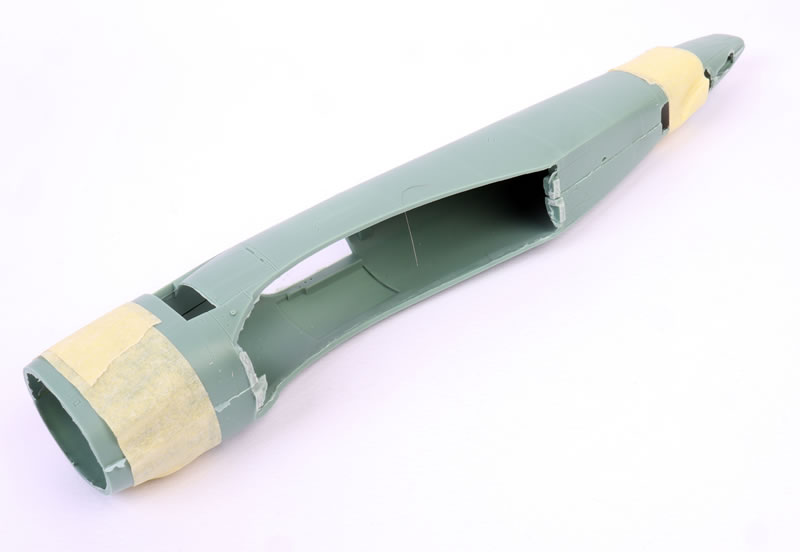
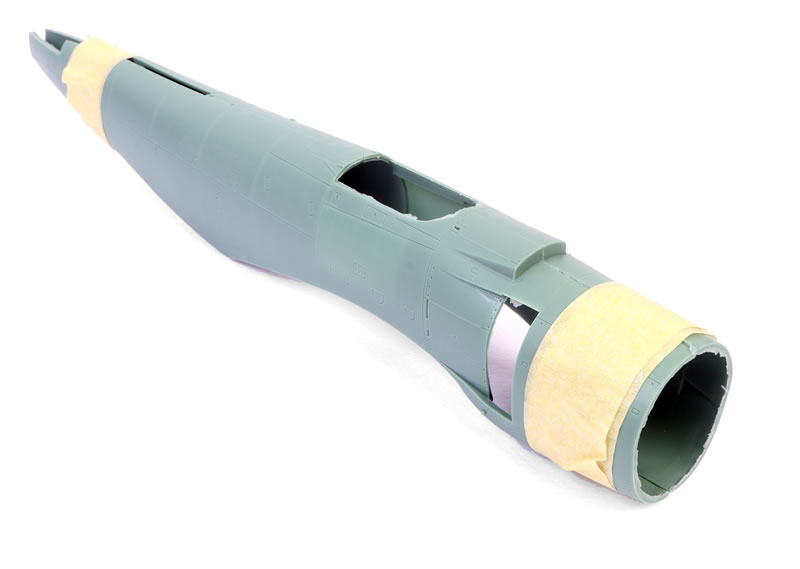
The fuselage is cast in port and starboard halves, taped together for transport. Fit along the join lines is perfect, and Halberd has thoughtfully included locating pins and holes to assist alignment.
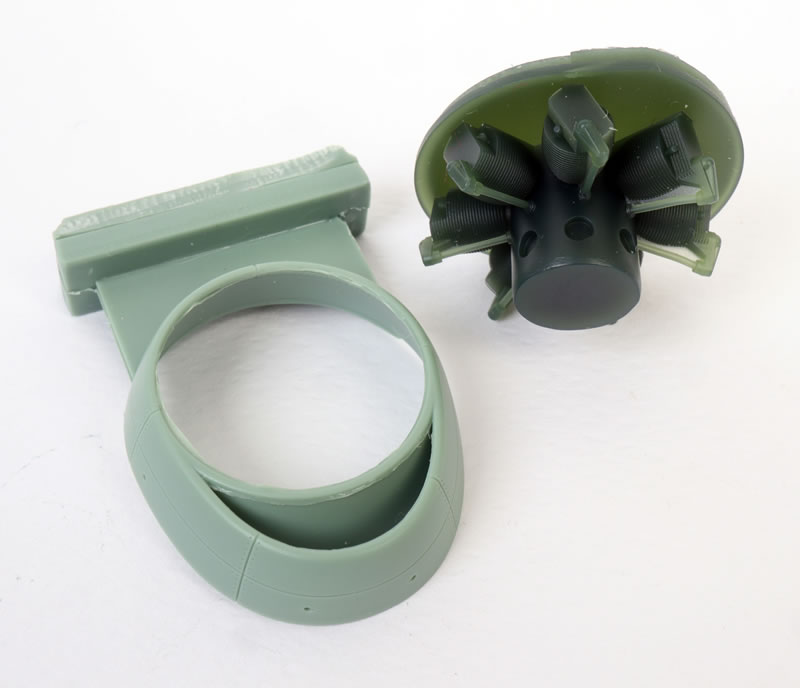
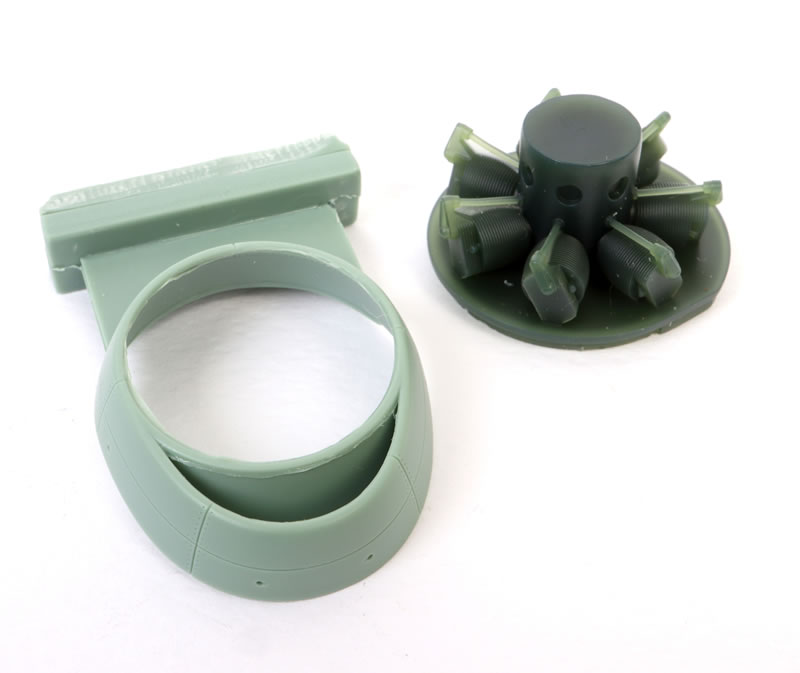
The four-row Pratt & Whitney R-4360 Wasp Major would be almost invisible once the large spinner is in place, so Halberd provides a sensible partial engine: a single row of seven cylinders with pushrods on a mounting plate.
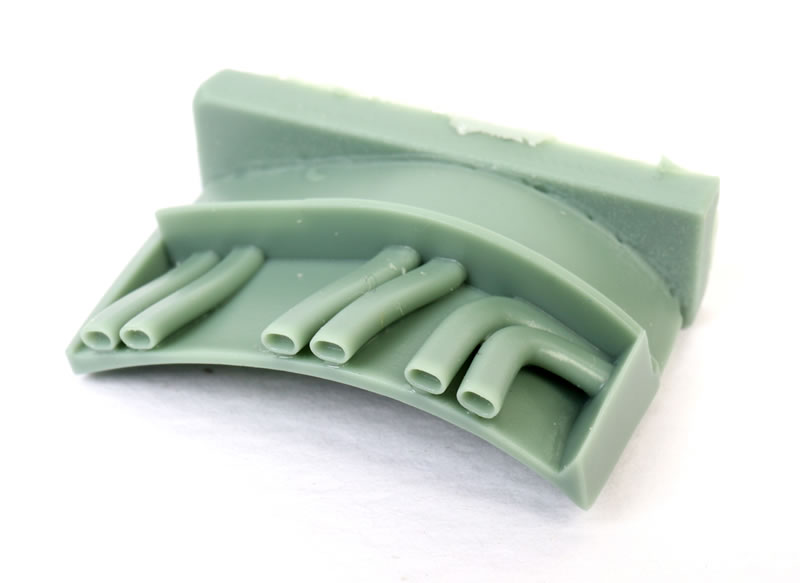
Each bank of eight exhaust stacks is cast as a single piece, neatly hollowed out.
The cowl flaps are split into two sets of four—time will tell how easily they can be posed.
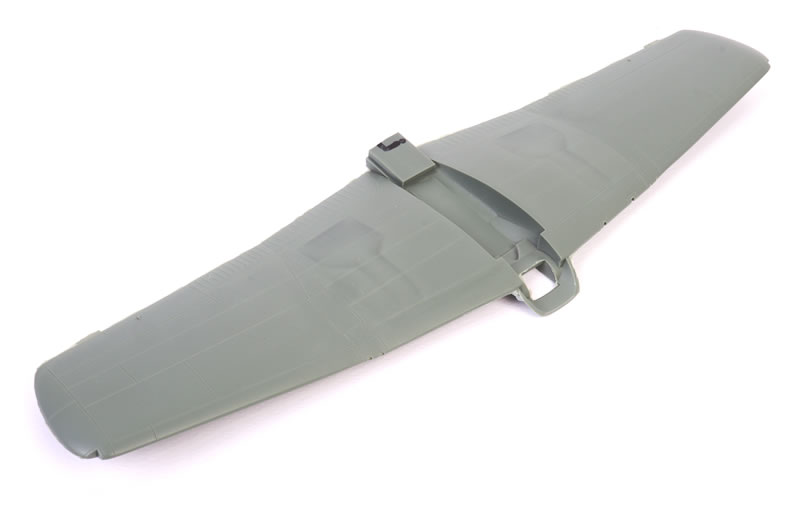
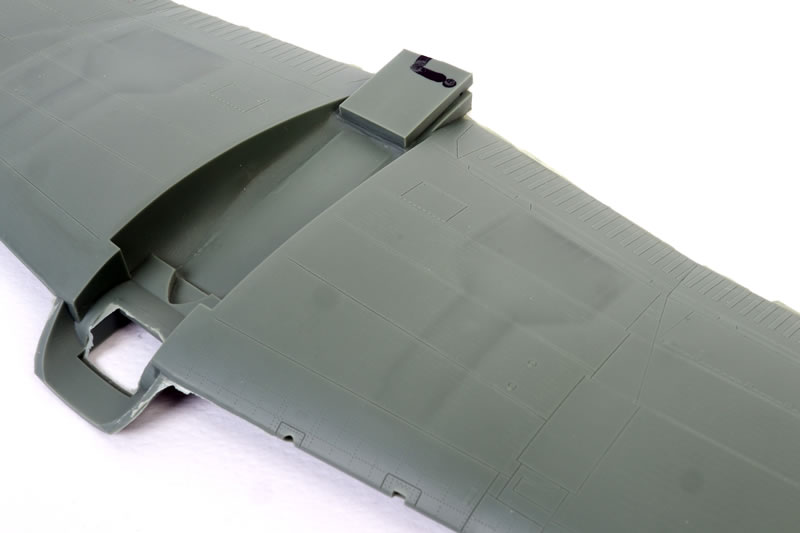
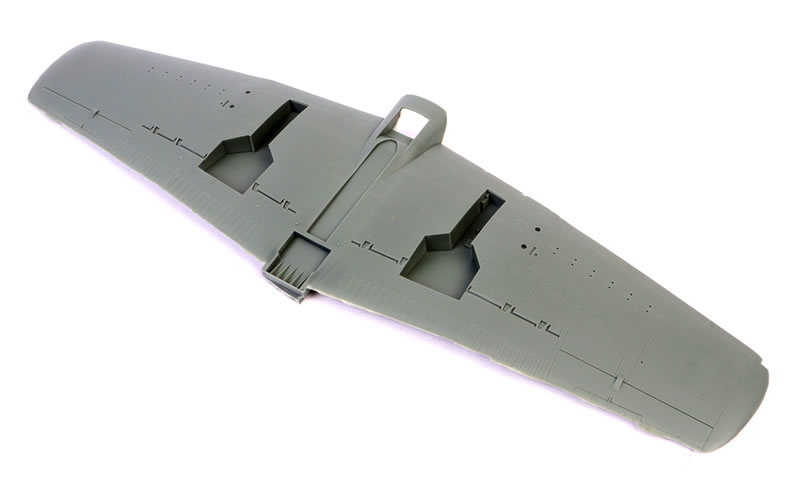
The one-piece full-span wing is another remarkable casting: large and weighty yet beautifully detailed. Control surfaces and flaps are cast in raised, neutral positions. Elevators are fixed, but the separate rudder may be posed to taste.
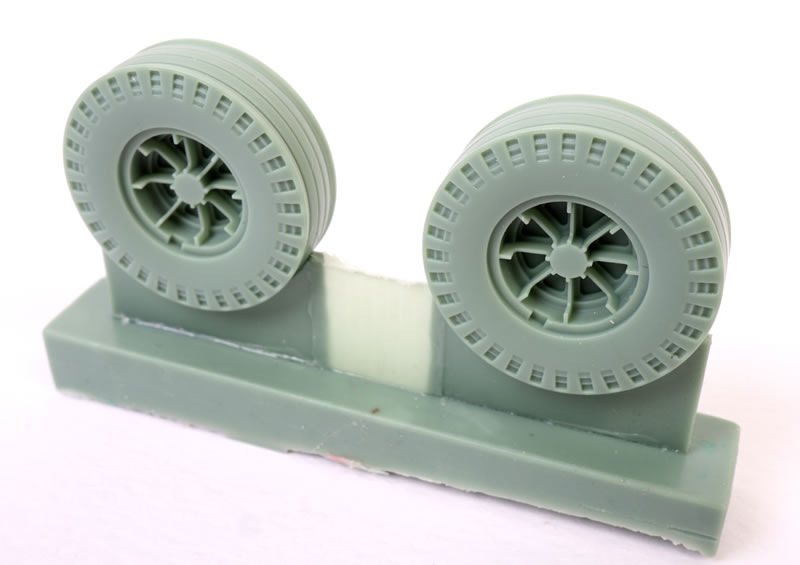
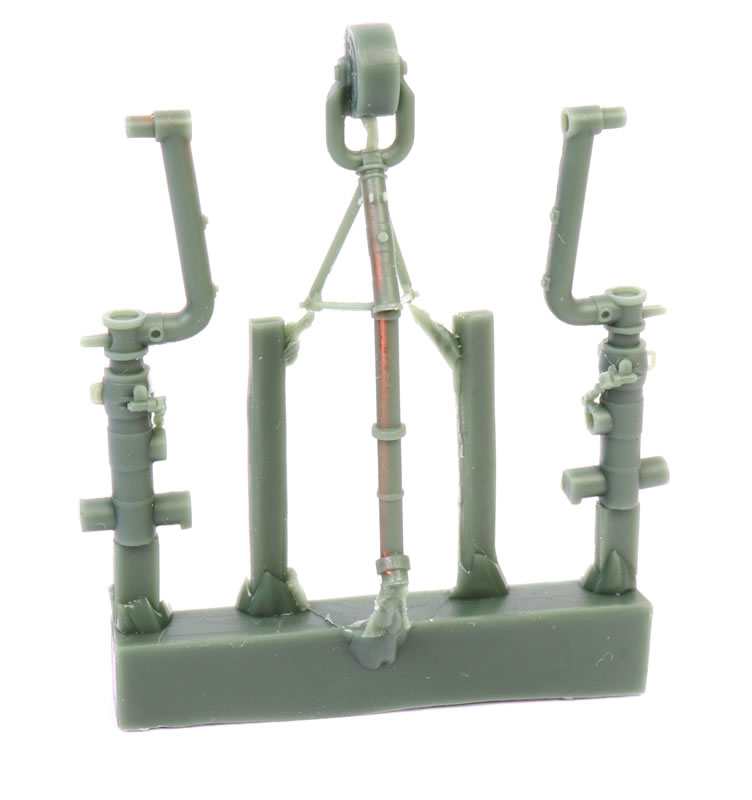
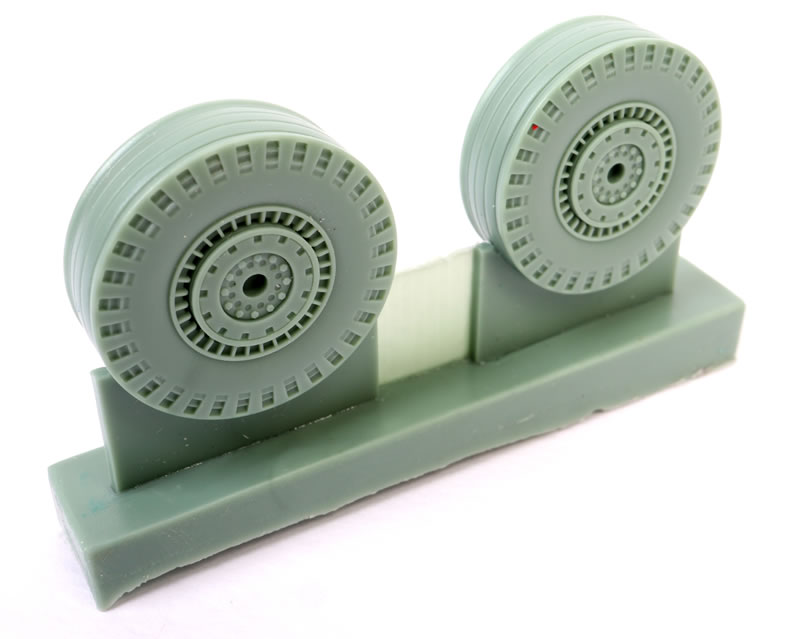
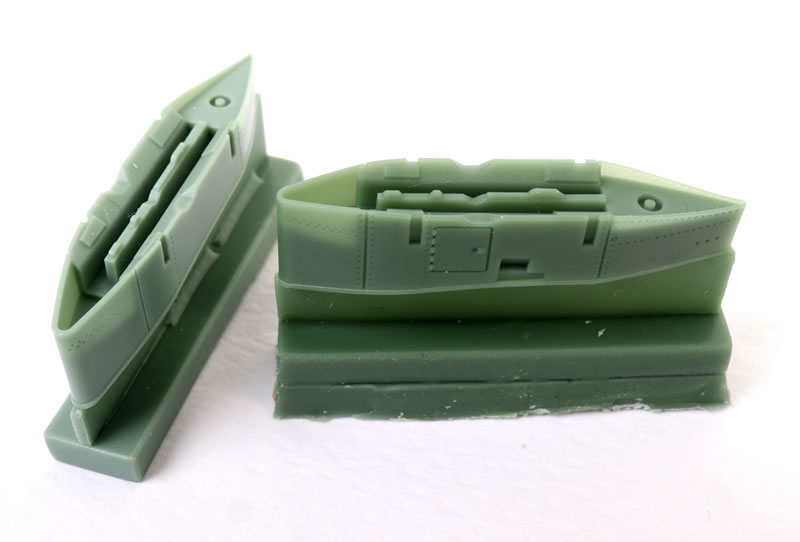
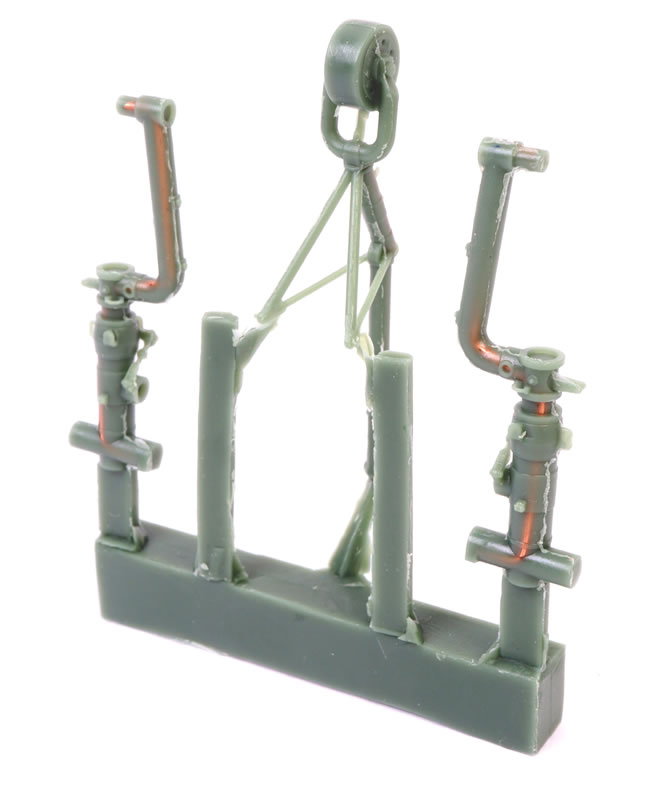
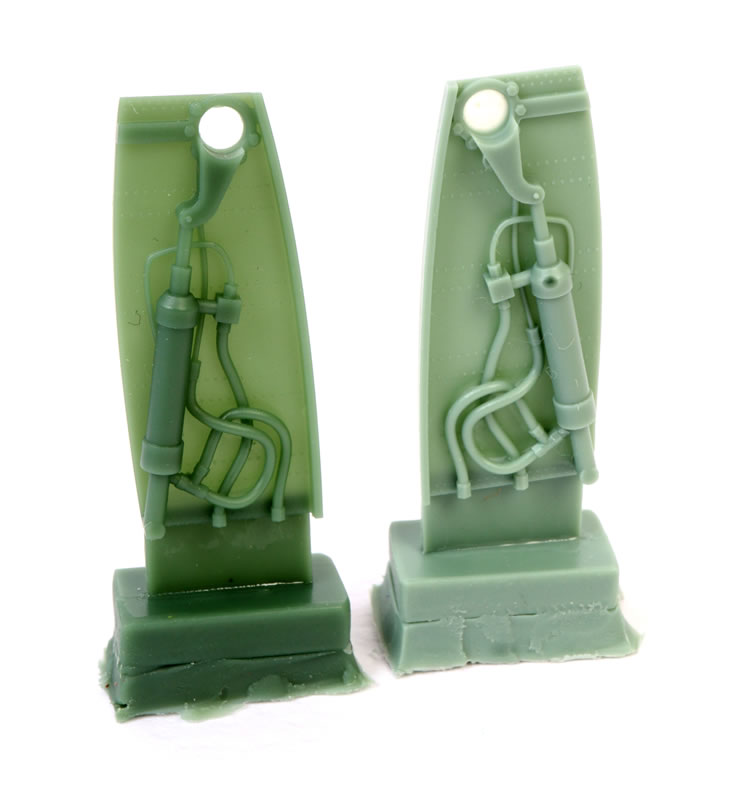
The undercarriage legs are reinforced with copper wire, and the main wheels are crisply detailed. The main wheel bays are among the most impressive components: intricate one-piece 3D prints that incorporate the entire bay and its surrounding structure.
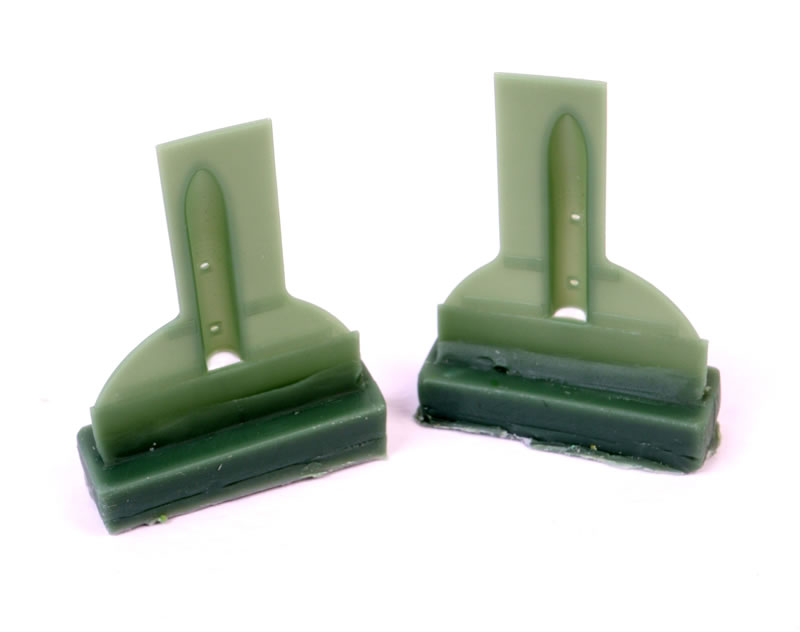
A generous selection of ordnance mounts is included—twelve rocket rails, a larger pylon for bombs or torpedoes under each wing, and a substantial centreline pylon for a tank or torpedo. No ordnance is provided.
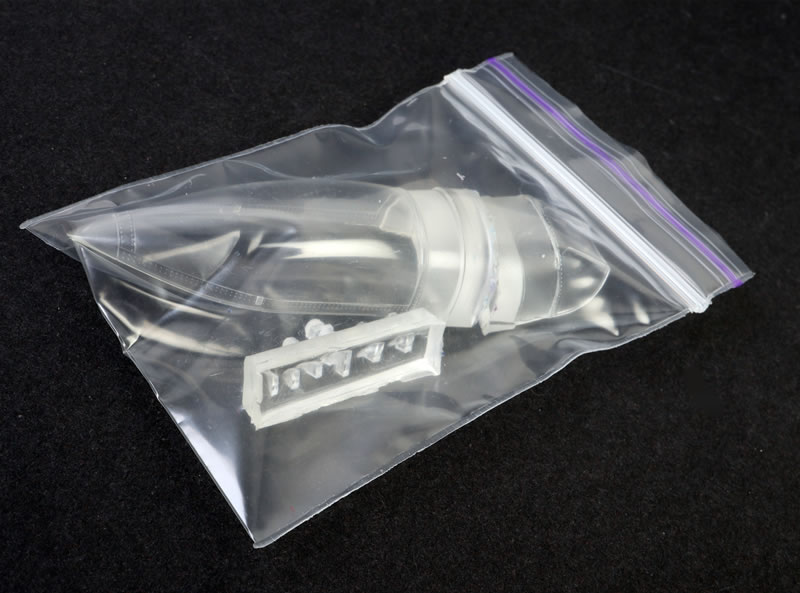
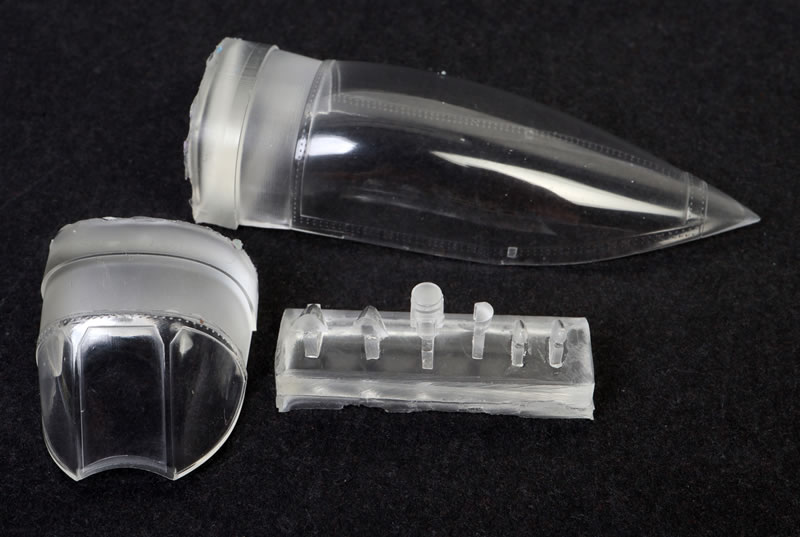
Clear parts are impressively thin and free from distortion.
Markings and Instructions
The instructions are clear and easy to follow.
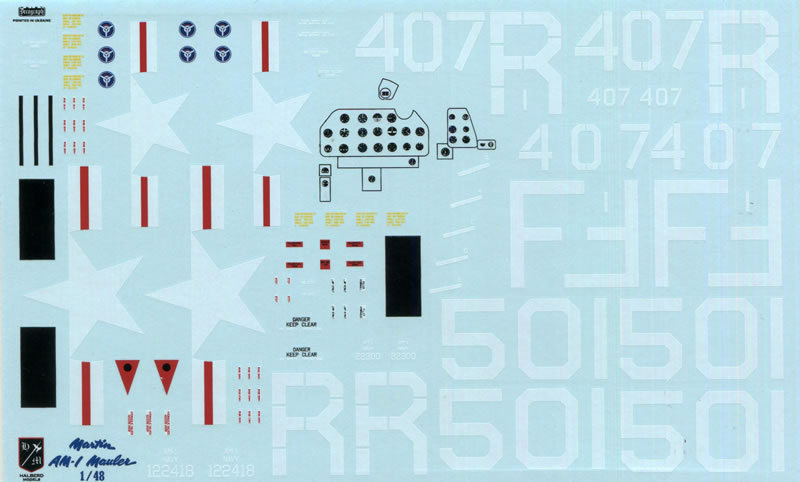
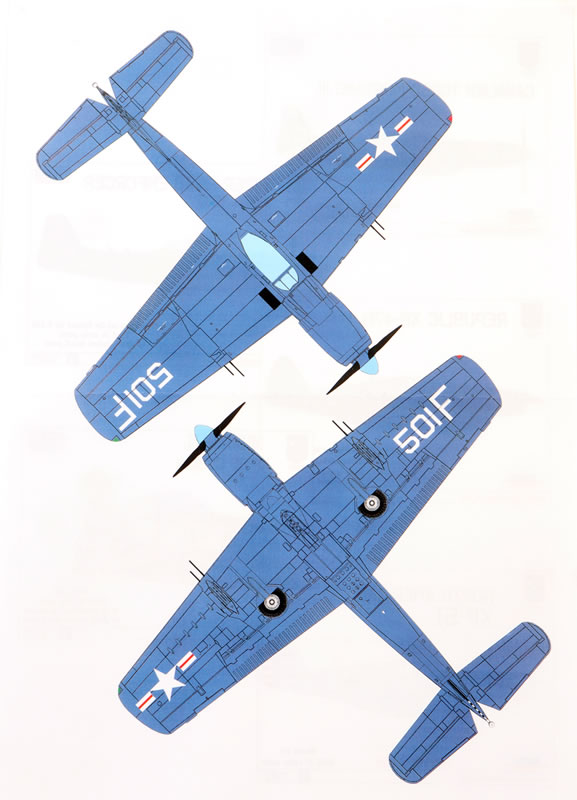
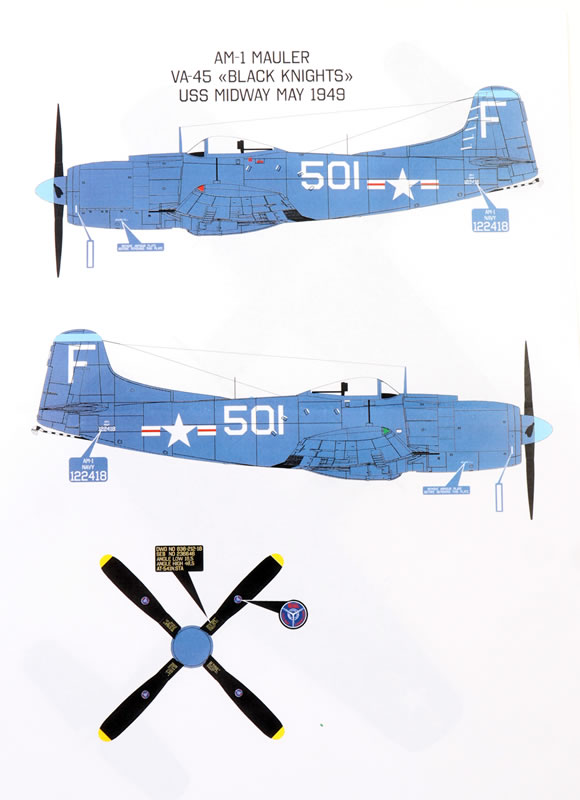
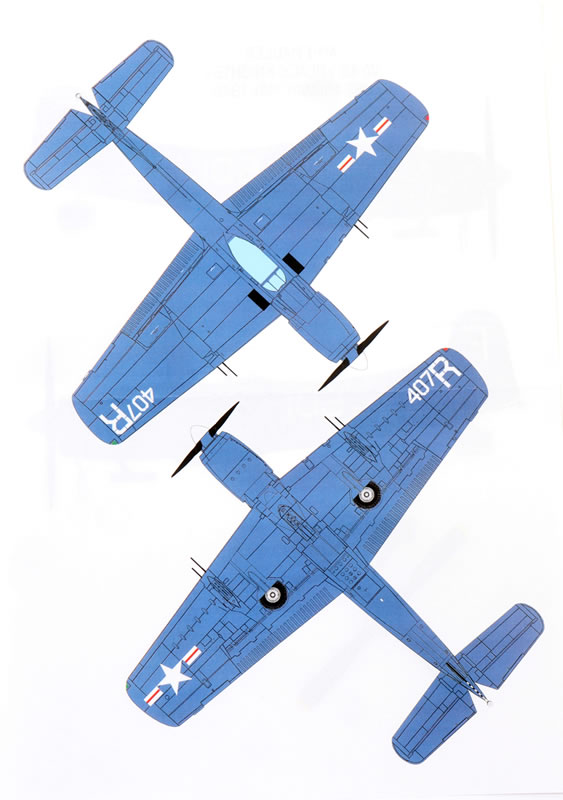
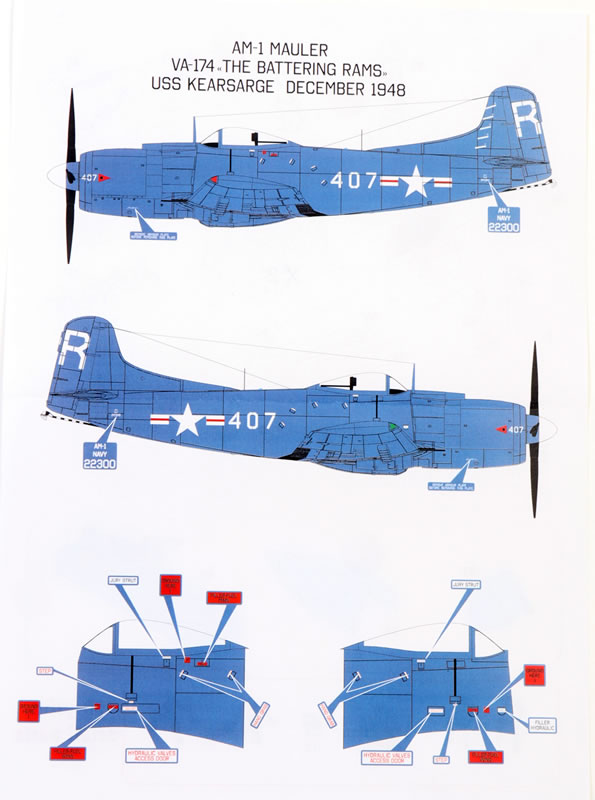
Markings are supplied for two aircraft, both finished in overall Gloss Sea Blue. A parts list and full camouflage and marking guide round out the package.
Halberd’s AM-1 Mauler is an impressive 1:48 scale premiere for this long-neglected subject.
Casting quality, surface textures and selective use of 3D printing place it firmly among the best limited-run resin kits on the market.
While the absence of ordnance may disappoint some, the overall package is beautifully executed and thoughtfully presented.
For fans of rare naval aircraft—or anyone looking for a standout project—Halberd’s Mauler is an ambitious, rewarding and genuinely exciting release.
Grab one while you can!
It is also worth keeping in mind that this Ukrainian company continues to manufacture and distribute their models in the middle of a war. Buying this kit is one small way for us to support our Ukranian friends.
Thanks to Halberd Models for the sample
Halberd Models eBay Shop
Halberd Models Facebook Page
Text and Images Copyright © 2025 by Brett Green
Page Created 25 November, 2025
Last updated
26 November, 2025
Back to HyperScale Main Page
Back to Reviews Page
|
 Home
| What's New |
Features |
Gallery |
Reviews |
Reference |
Forum |
Search
Home
| What's New |
Features |
Gallery |
Reviews |
Reference |
Forum |
Search