High level of detail; restrained surface texture; accurate see-through wheel wells with rear engine detail visible; useful options including alternate centreline fuel tanks and bombs, closed or open cowl flaps, choice of raised and lowered undercarriage; nice clear parts with different sliding sections for open and closed options; perfect moulding .
Disadvantages:
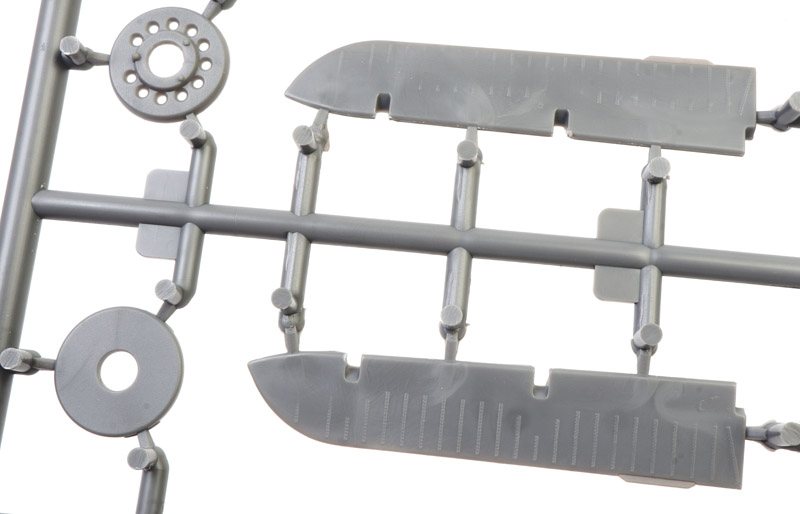
Moulding error on the bottom of one aileron.
Conclusion:
MiniArt’s new 1/48 scale Fw 190 D-9 is an impressive entry into the crowded Dora market.
Surface textures are excellent, the cockpit and wheel wells are particularly well treated, and the inclusion of separate control surfaces and useful optional parts adds plenty of interest.
There are a couple of details to watch out for, including the missing raised fabric detail on the bottom of part 56 and the spinner options illustrated in the instructions. However, these issues will not present a challenge to the experienced modeller.
The kit's plastic is well detailed straight from the box, despite this BasicKit edition's absence of photo-etch, masks and 3D-printed parts.
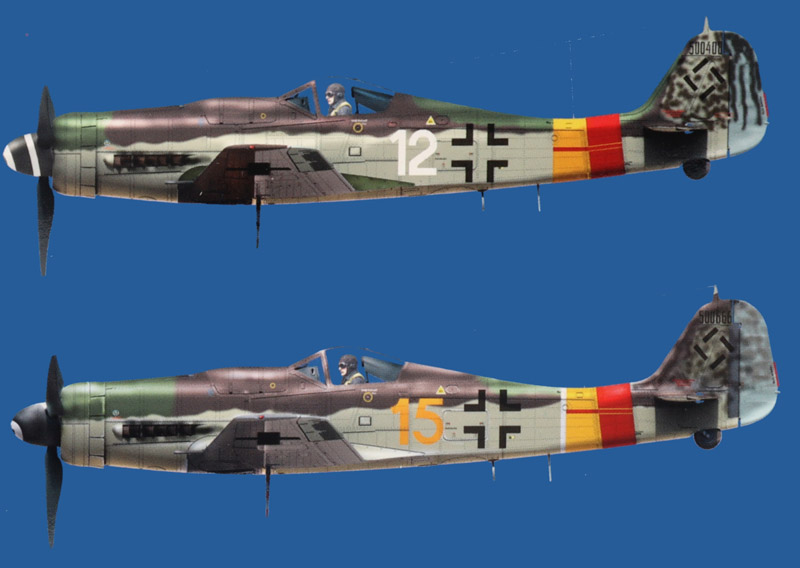
The two distinctly late-war JG 300 marking options are an attractive bonus.
With its impressive surface textures, clever treatment of wheel well and cowl plugs and thoughtful parts breakdown, MiniArt’s Fw 190 D-9 Mimetall Production Version is now the best of its type in this scale.
Reviewed by Brett Green
Background
Origins
The Focke-Wulf Fw 190 D-9 represented the final major development of Kurt Tank’s famous fighter to enter large-scale production. Designed primarily to improve on the high-altitude performance of the radial-engined Fw 190 A, the D-9 replaced the BMW 801 with the liquid-cooled Junkers Jumo 213A inverted V-12. The result was the distinctive ‘long-nosed’ Fw 190, with both the forward fuselage and rear fuselage lengthened to accommodate the new engine and maintain the aircraft’s centre of gravity.
Development and Production
Production began in the summer of 1944 and involved several manufacturers, including Focke-Wulf, Fieseler and Mitteldeutsche Metallwerke, or Mimetall, at Erfurt. Production figures remain the subject of some debate, but roughly 1,400–1,800 D-9s were completed before the end of the war.
Mimetall Production
Mimetall-built Doras are of particular interest to modellers because late-war decentralised production resulted in distinctive construction and camouflage features.
Aircraft from the Mimetall production batches, generally identified by Werknummern in the 500xxx series, often displayed the characteristic late-war combinations of RLM 81 and 82 on the upper surfaces, with variations of RLM 76 on the fuselage sides and undersurfaces.
The forward portions of the wing undersides were sometimes camouflaged, while other areas were left in natural metal. Components supplied by different subcontractors could also produce noticeable variations in finish.
In Service
The first operational D-9s entered service with III./JG 54 in September–October 1944. They subsequently equipped units including JG 2, JG 26 and JG 301. Although originally intended as a high-performance interceptor, the Dora spent much of its brief combat career fighting Allied fighters and carrying out ground-attack missions during Germany’s final defensive battles.
The Fw 190 D-9 was a formidable late-war fighter well-liked by many pilots. The Mimetall-built machines, with their distinctive production features and often striking camouflage, remain among the most fascinating examples of the Dora family.
1/48 scale Model Choices
There are plenty of 1/48 options available for Dora fanciers. These include the Tamiya kit, which is a simple build but suffers some outline problems; the older Trimaster/Dragon/Italeri offerings, which are more accurate but less easy to build, and the fairly recent Hobby Boss kits, which look pretty good but suffer from the usual baffling errors, and the Eduard kits starting back in 2010. Eduard also released a late version D-9 with a big tail, and also a D-11 and D-13 kit.
FirstLook
MiniArt has launched its own completely new Dora family.
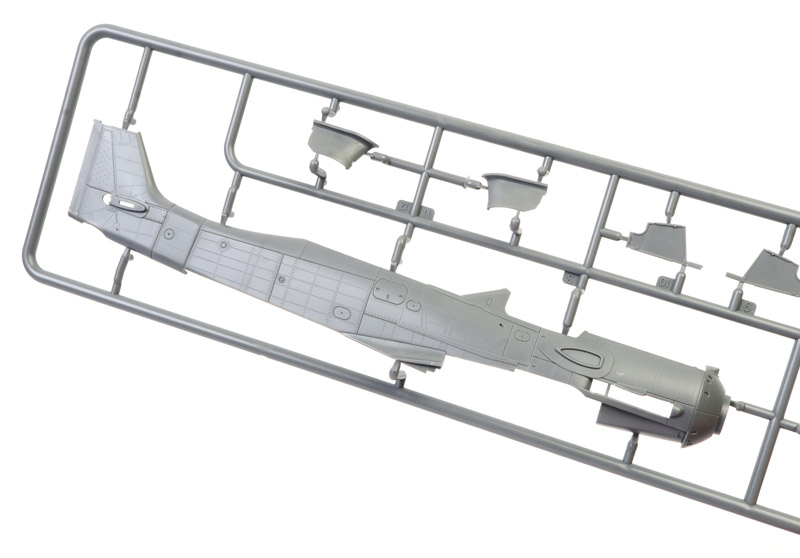
MiniArt’s 1:48 scale Fw 190 D-9 Mimetall kit comprises 165 parts in grey plastic, five parts in clear, and decals for two marking options.
There are at least 39 plastic pieces that are not required or optional parts, bringing the grey plastic parts count down to a very manageable 126 parts.
This is the “BasicKit” version, so we don’t find fancy extras such as full engine detail, 3D-printed parts, photo-etch or masks.
My personal preference is usually ease of building over exhaustive detail, so BasicKit level works just fine for me.
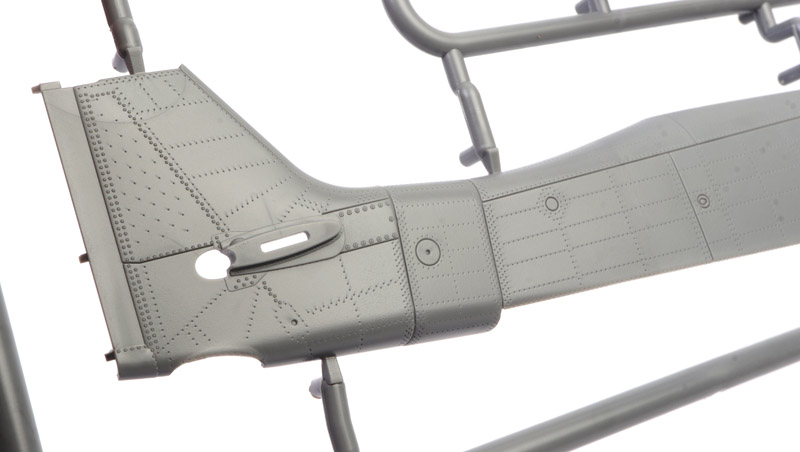
Surface textures are gorgeous, with multi-depth panel lines and rivets. Raised textures are included as appropriate.
Fabric textures are treated simply, with raised strips representing rib tapes. I like this understated approach.
On my sample, most of the raised surface texture is missing on the lower side of Part 56. I recommend sanding and restoring the rib tapes with stretched sprue.
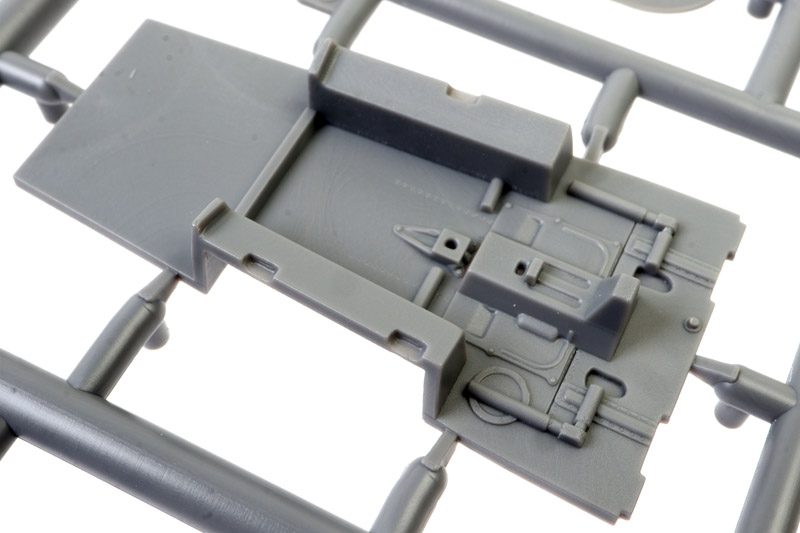
The 13-piece cockpit is well detailed with its plastic parts.
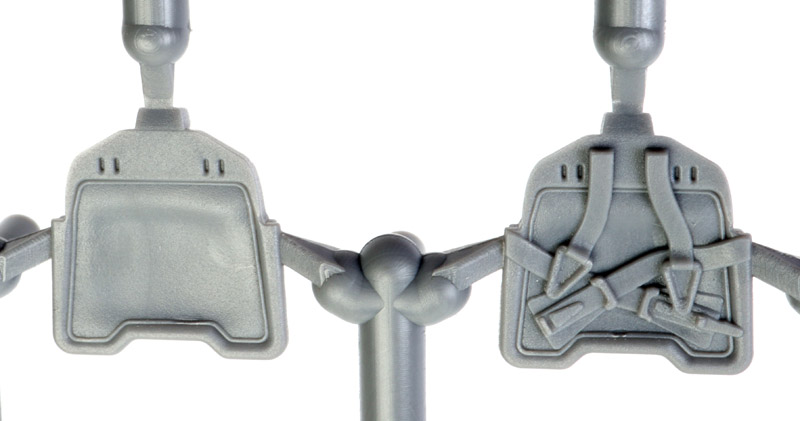
I particularly like the pilot’s seat, with the harness straps moulded in place. If you prefer to bring your own belts, there is also a plain pilot’s seat on the sprues.
The instrument panel features raised bezels, switches and dials.
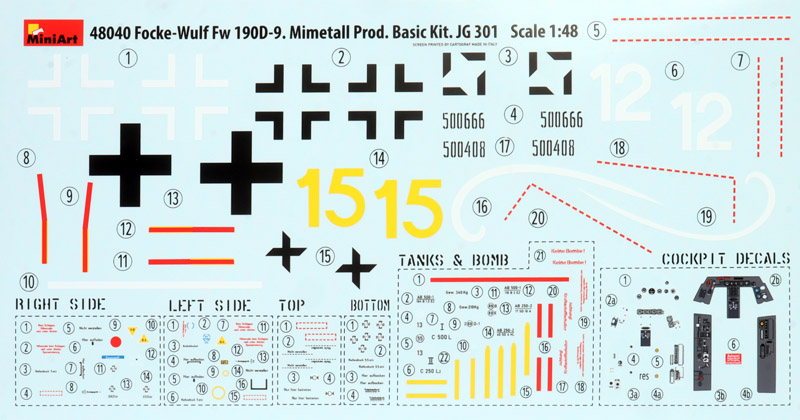
Decals are supplied for the instrument panel, side consoles and placards, or you may paint these yourself if you prefer.
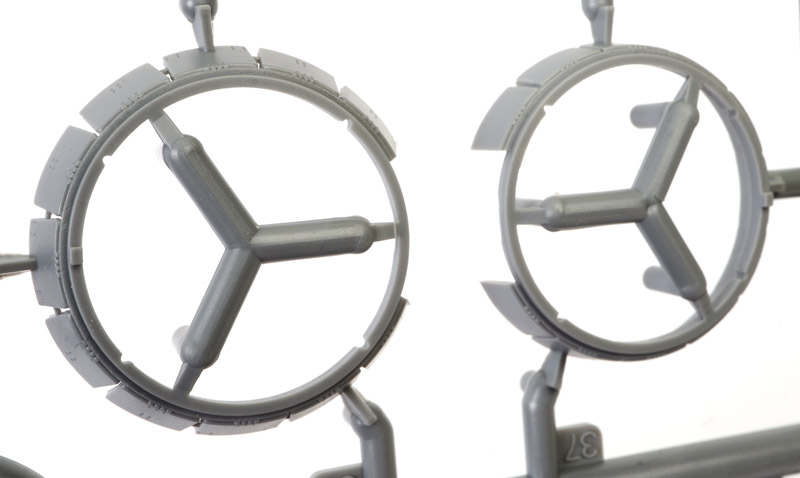
The wheel wells feature the correct see-through effect, thanks to a well-detailed 19-piece rear portion of the engine and supercharger. These will be visible through the open centre section of the wheel well.
A portion of the cowl guns and mounts is also supplied. These are made up of five additional parts.
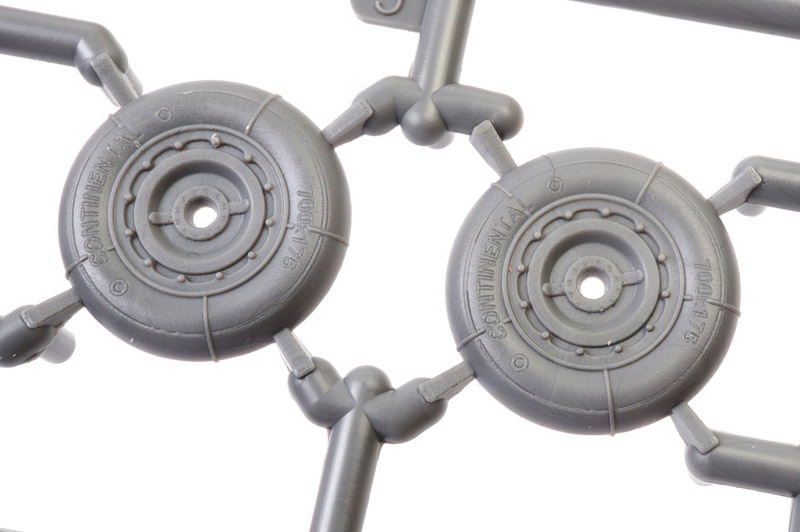
The main wheels are late-war smooth style with raised seams and lettering.
Different parts are offered for open or closed cowl flaps.
The exhausts are supplied in one piece each. The ends are not hollowed out, but we will certainly see after-market updates before long.
Optional separate parts are supplied for retracted and lowered landing gear. Simple, one-piece tail wheel strut and tyre parts are also supplied for retracted and lowered positions.
Ailerons, elevators and the rudder are separate parts.
The instructions illustrate the spinner cap with the cannon hole in place as an option, but this should really be the plain cap for the D-9, correctly called out as Part No. B7.
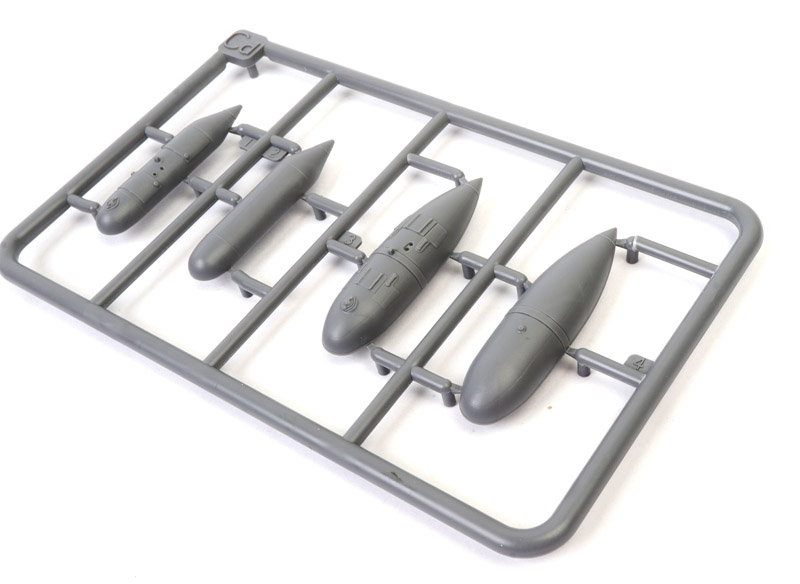
Two styles of drop tank – the traditional smooth 300-litre version and the cigar-shaped version – and four styles of 250 kg and 500 kg bomb are offered as centreline ordnance options.
The instructions appear to illustrate the later smooth drop tank, but it is the earlier ribbed version that is actually supplied.
The five canopy parts are crystal clear and thin.
Separate parts are supplied to permit the sliding canopy to be displayed open or closed. Parts are provided for the blown hood only.
Markings
Two marking options for JG 300 aircraft are included on the decal sheet.
The two marking options are variations on the chaotic application of late-war Luftwaffe camouflage.
The decals are printed by Cartograf, so you know they’ll be good. Stencil markings are included.
Conclusion
MiniArt’s new 1/48 scale Fw 190 D-9 is an impressive entry into the crowded Dora market. Surface textures are excellent, the cockpit and wheel wells are particularly well treated, and the inclusion of separate control surfaces and useful optional parts adds plenty of interest.
There are a few details to watch out for, including the missing raised fabric detail on Part 56 and the spinner options illustrated in the instructions. However, these issues will not present a challenge to the experienced modeller.
The kit's plastic is well detailed straight from the box, despite this BasicKit edition's absence of photo-etch, masks and 3D-printed parts. The two distinctly late-war JG 300 marking options are an attractive bonus.
With its impressive surface textures, clever treatment of wheel well and cowl plugs and thoughtful parts breakdown, MiniArt’s Fw 190 D-9 Mimetall Production Version is now the best of its type in this scale.
 Home
| What's New |
Features |
Gallery |
Reviews |
Reference |
Forum |
Home
| What's New |
Features |
Gallery |
Reviews |
Reference |
Forum |